 GymDroid
Barbell curl from every angle
Barbell Curl: How to Do It Right
The barbell curl is the classic mass builder for the biceps.
- Works
- Biceps brachii
- Also works
- Brachialis, Forearm flexors, Brachioradialis, Front delts
How to do a barbell curl, step by step
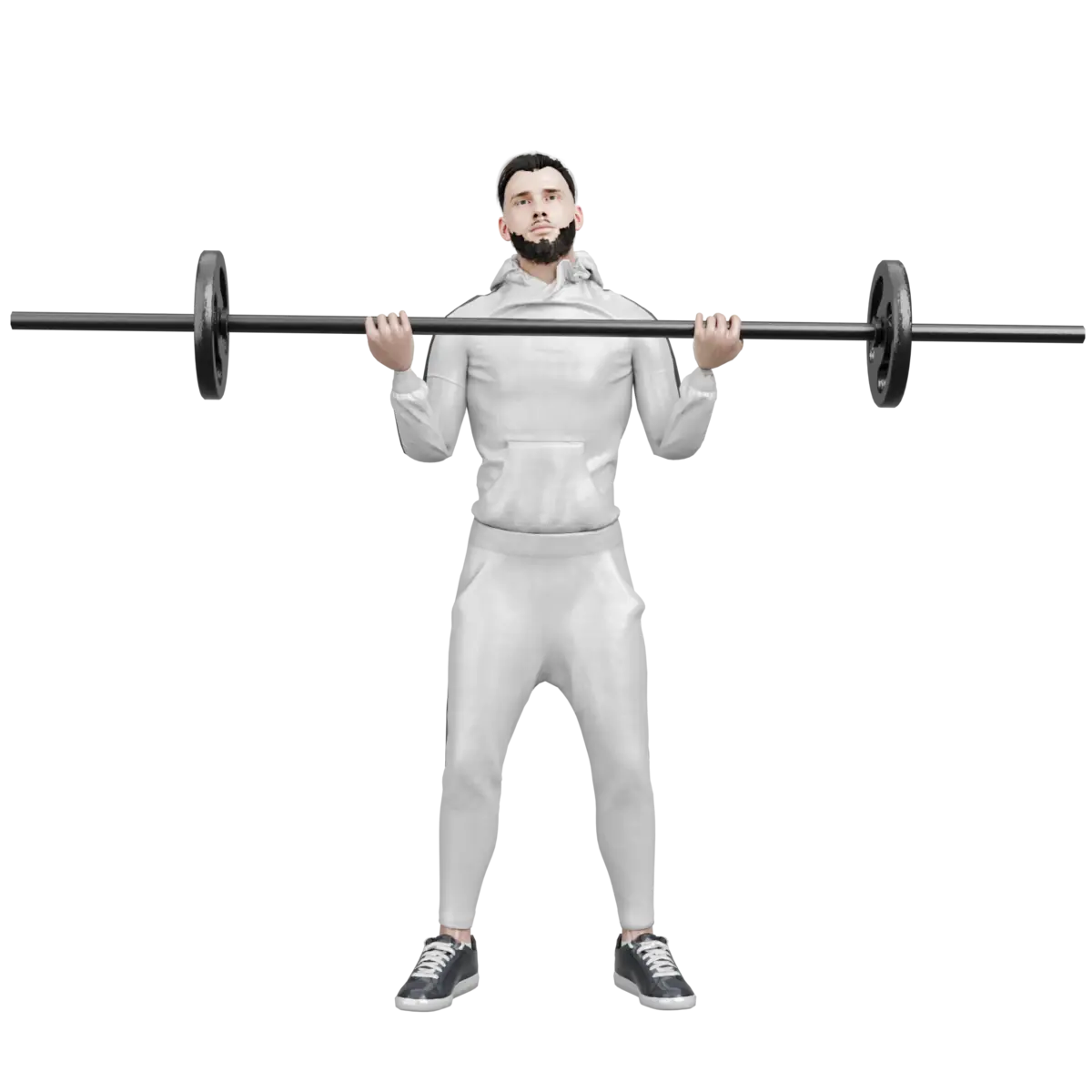
- Stand tall with your feet about hip width apart and your knees soft. Hold the barbell in front of your thighs with an underhand grip, hands just outside your hips.
- Let your arms hang straight. Tuck your elbows against your ribs, pull your shoulders down and back, and brace your core.
- Bend your elbows and curl the bar up in a smooth arc. Your upper arms stay still and your wrists stay straight, in line with your forearms.
- Stop when the bar is just below your shoulders and the biceps are fully squeezed. Hold for a moment without leaning back.
- Lower the bar under control along the same path over about two seconds.
- Stop when your arms are fully straight again, then start the next rep without bouncing the bar off your thighs.
- Keep your torso upright for the whole set. When you need a hip swing to finish a rep, the set is over.
Common barbell curl mistakes
- Swinging the bar up with your hips and back. If your torso rocks back to start the rep, take weight off. Do one set with your back against a wall to feel a strict curl.
- Elbows drifting forward. Keep the elbows at your ribs. When they move forward at the top, the front delts take over and the biceps rest.
- Dropping the bar on the way down. Lower for about two seconds. The lowering half of each rep builds as much muscle as the lift.
- Half reps at the bottom. Straighten your arms fully between reps. The stretched bottom part of the curl is where the biceps work hardest.
- Bending the wrists to finish the rep. Keep your wrists straight. Curling the wrists moves the work to the small forearm muscles and strains the joint.
- A grip that is too wide or too narrow. Hold the bar about shoulder width, hands just outside your hips. If a straight bar bothers your wrists, use an EZ bar or dumbbells.
Alternatives: dumbbells, neutral grip, compound pulls
Same muscles, different equipment.
Good to know
Barbell curl from every angle
You stand tall with a straight barbell in front of your thighs, palms facing forward, and bend the elbows to bring the bar up to your shoulders. Both hands share one bar, so you can load more weight than with dumbbells and track your progress in small steps. Below you will find how to do a barbell curl step by step, the muscles worked, sets and reps, barbell vs dumbbell curl, and the mistakes that turn it into a body swing.
Muscles worked
The biceps brachii on the front of the upper arm does most of the work. It bends the elbow, and the palms up grip keeps it in its strongest position. The brachialis under the biceps helps bend the elbow and adds thickness to the arm. The forearm flexors and the brachioradialis hold the bar and help on the way up. The front delts keep the upper arm steady, but they should not lift the bar.
Sets and reps for bigger biceps
Do 3 sets of 6 to 12 reps, one or two times a week. Stop each set with 1 or 2 clean reps left. When you can do 12 strict reps on every set, add the smallest plates you have, often 1.25 kg per side. Many beginners start with an empty bar or a light fixed barbell of 10 to 20 kg. The barbell curl is usually the first arm exercise of the day, because it is the one where you can lift the most.
Barbell curl vs dumbbell curl
The barbell curl locks both hands on one bar. You can lift more weight and add it in small steps, which makes it a great mass builder. Dumbbell curls let each arm work on its own, so a stronger side cannot cover for a weaker one, and your wrists can turn into the angle that feels best. A straight bar fixes the wrists in place, and some people feel that in the wrists or elbows. An EZ bar with its bent grip is a kinder middle ground. Most lifters use both: the barbell for heavy sets, dumbbells for variety.
Barbell curl grip and variations
A shoulder width grip is the standard. A slightly wider grip puts a bit more work on the short head of the biceps, a slightly closer grip more on the long head. The differences are small, so pick the grip that feels best on your wrists. The EZ bar curl uses an angled bar. The reverse curl uses an overhand grip and trains the forearms more. In the app the exercise is called Barbell Curl. Log the full weight of the bar with plates.
Alternatives: dumbbells, neutral grip, compound pulls
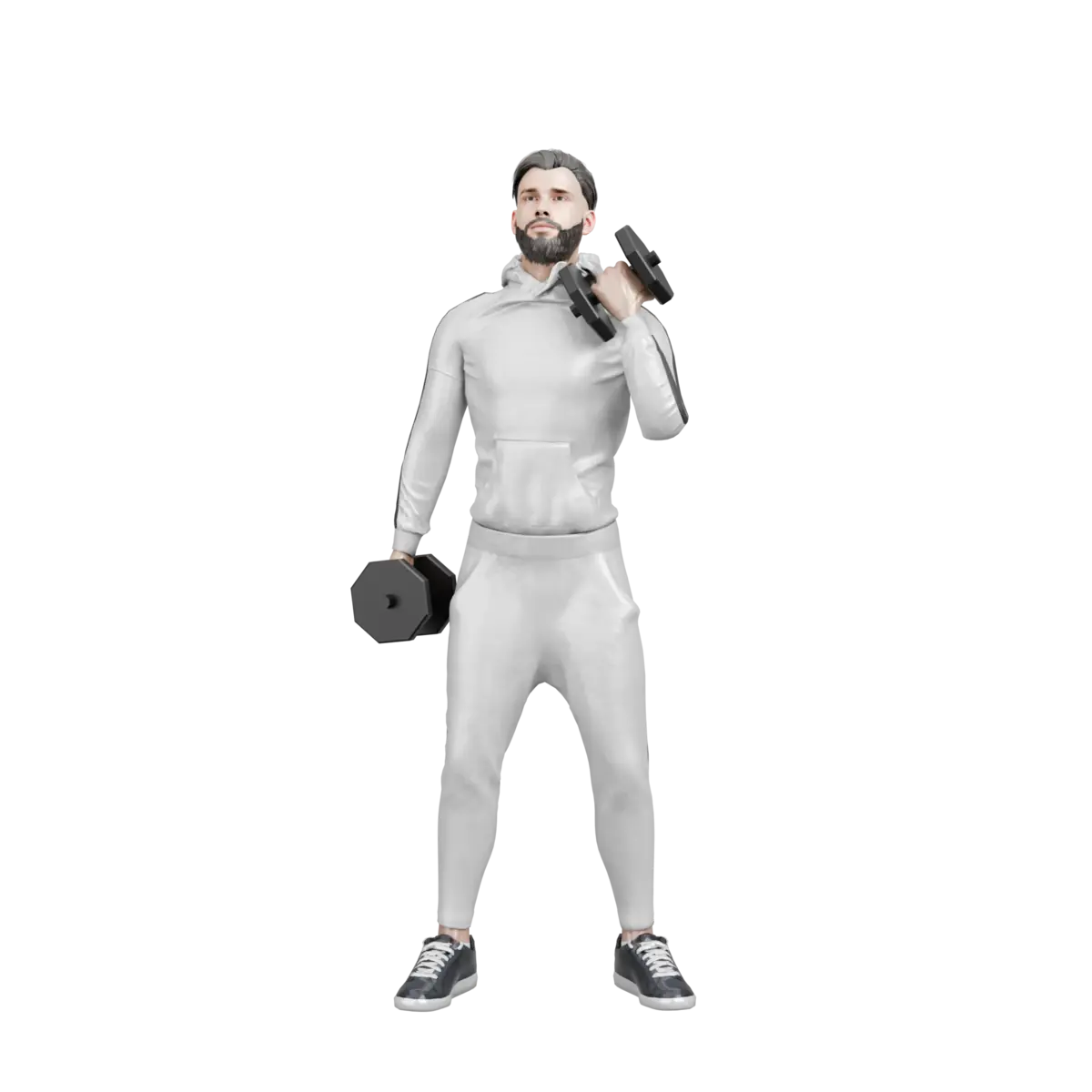
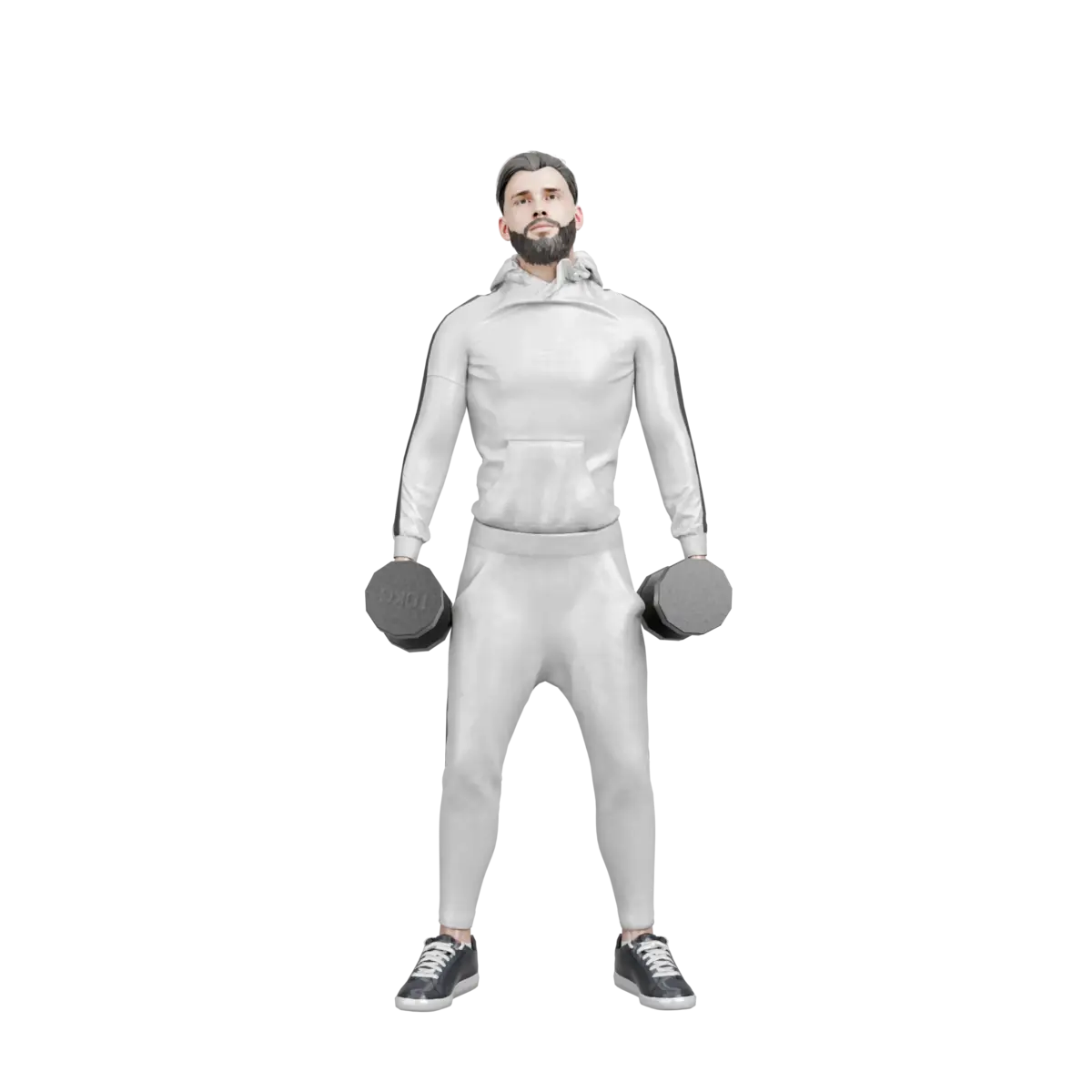
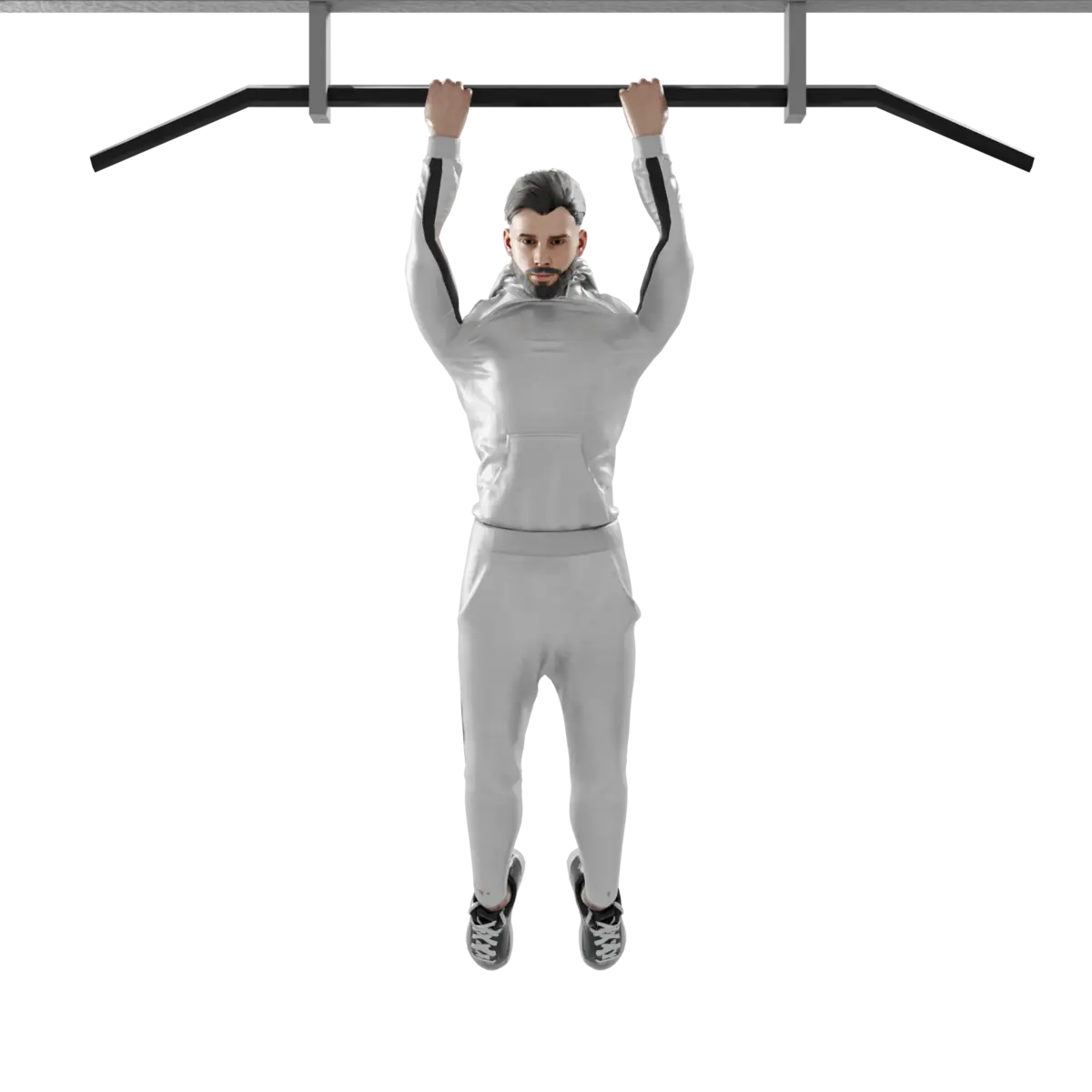
The dumbbell curl is the closest swap and lets each arm work alone. Hammer curls train the brachialis and forearms more and are kind to the wrists. Chin ups and underhand pulldowns load the biceps hard with a lot of weight. The moves below cover the biceps from other angles.
Plans with the barbell curl
In Full Body Foundation the barbell curl is a swap option for the arm slot: on Day A it can replace the EZ bar curl, on Day C the dumbbell curl, for 3 sets of 6 to 10. Log every set in GymDroid and the plan sets your next weight. On iPhone and Android.
Full Body Foundation · Curves & Confidence · Dumbbell Home Essentials
What muscles do barbell curls work?
Mostly the biceps on the front of the upper arm. The brachialis under the biceps, the forearm muscles and a little of the front delts help.
How heavy should a barbell curl be?
A weight you can curl 6 to 12 times without swinging. Many beginners start with an empty bar or a light fixed barbell of 10 to 20 kg.
Is the barbell curl better than the dumbbell curl?
Not better, different. The barbell lets you lift more weight and add it in small steps. Dumbbells train each arm on its own. Both build the biceps well.
How wide should my grip be on a barbell curl?
About shoulder width, with your hands just outside your hips. Small changes in width matter less than keeping the elbows still.
Should I use a straight bar or an EZ bar?
Both work. The straight bar keeps the palms fully up. The EZ bar turns the wrists in a little, which many people find more comfortable.
Why do my wrists or elbows hurt during barbell curls?
A straight bar fixes your wrists in one angle, and heavy weight makes it worse. Try an EZ bar or dumbbells and lower the weight. If the pain stays, stop and see a professional.

Plans with the barbell curl
In Full Body Foundation the barbell curl is a swap option for the arm slot: on Day A it can replace the EZ bar curl, on Day C the dumbbell curl, for 3 sets of 6 to 10.


Updated