 GymDroid
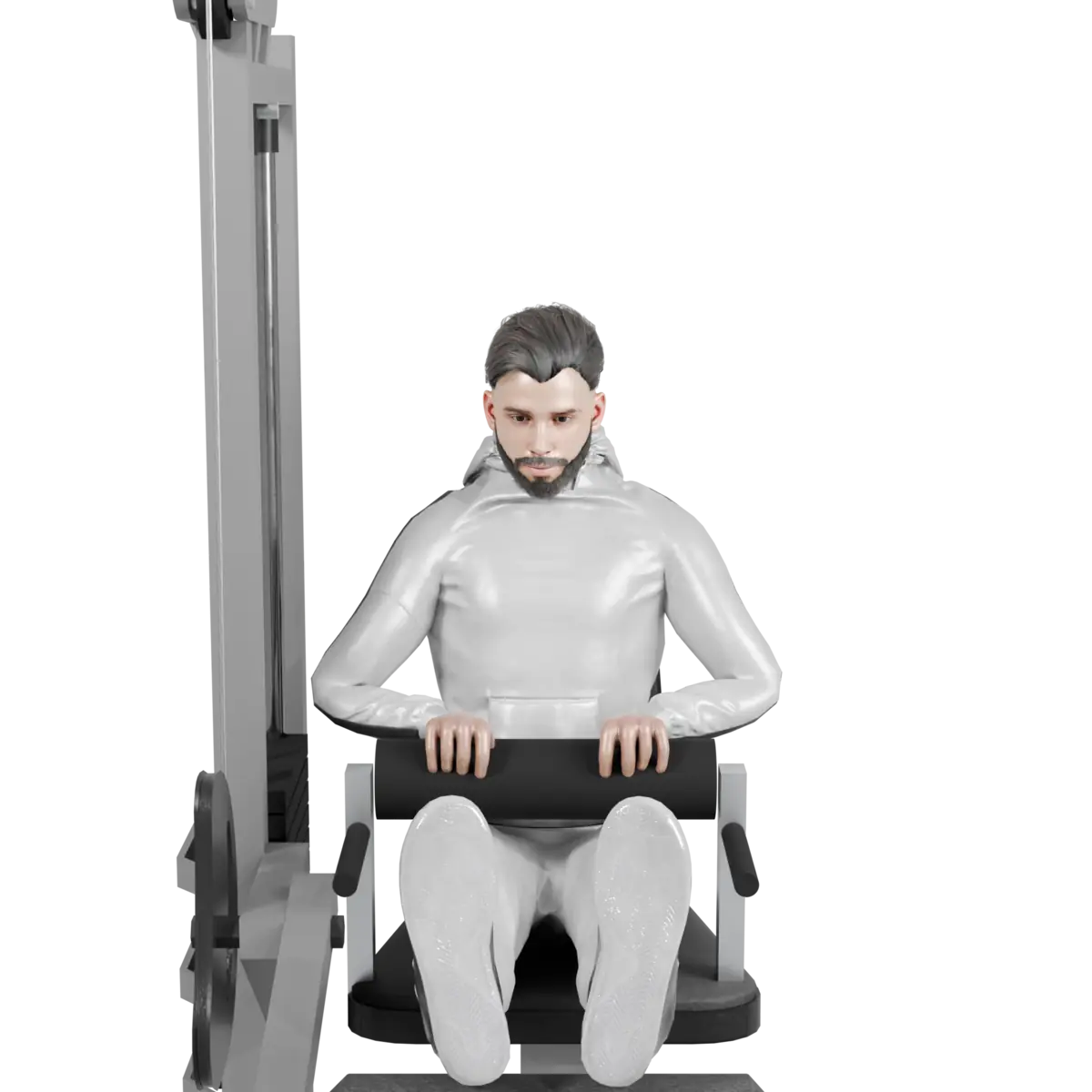
Seated leg curl from every angle
Seated Leg Curl: How to Do It Right
The seated leg curl is the hamstring machine you sit in.
- Works
- Hamstrings
- Also works
- Calves
How to do a seated leg curl, step by step
- Set the back pad so your knees line up with the pivot of the machine when your back is against it.
- Sit upright with your legs out in front and the roller on the back of your lower legs, just above the heels.
- Lock the thigh pad down on top of your thighs, just above the knees. Snug, not crushing.
- Hold the handles, keep your back against the pad and brace your core.
- Curl your heels down and back under the seat by bending your knees against the roller.
- Pause for a second with your knees fully bent and squeeze your hamstrings hard.
- Let the roller come back up under control for about 2 seconds until your legs are straight again.
- Keep your thighs pinned and your upper body still, and repeat at the same tempo.
Common seated leg curl mistakes
- Thigh pad too loose. Lock it down so your thighs cannot lift. A loose pad lets your hips slide and you lose the stretch at the top.
- Knees off the pivot. Move the back pad until your knees sit in line with the pivot. If the roller rolls up your calves during the rep, your knees are out of line.
- Leaning back and pulling with the arms. Stay upright against the back pad and use the handles only to stay in place. Leaning back shortens the hamstrings and makes the rep easier.
- Half reps at the bottom. Curl until your heels are deep under the seat and pause. Then let your legs go all the way straight. Both ends of the rep count.
- Letting the weight snap back up. Control the way up for 2 seconds. The stretched part at the top is where the seated leg curl builds the most muscle.
Alternatives: no machine, at home, with dumbbells
Same muscles, different equipment.
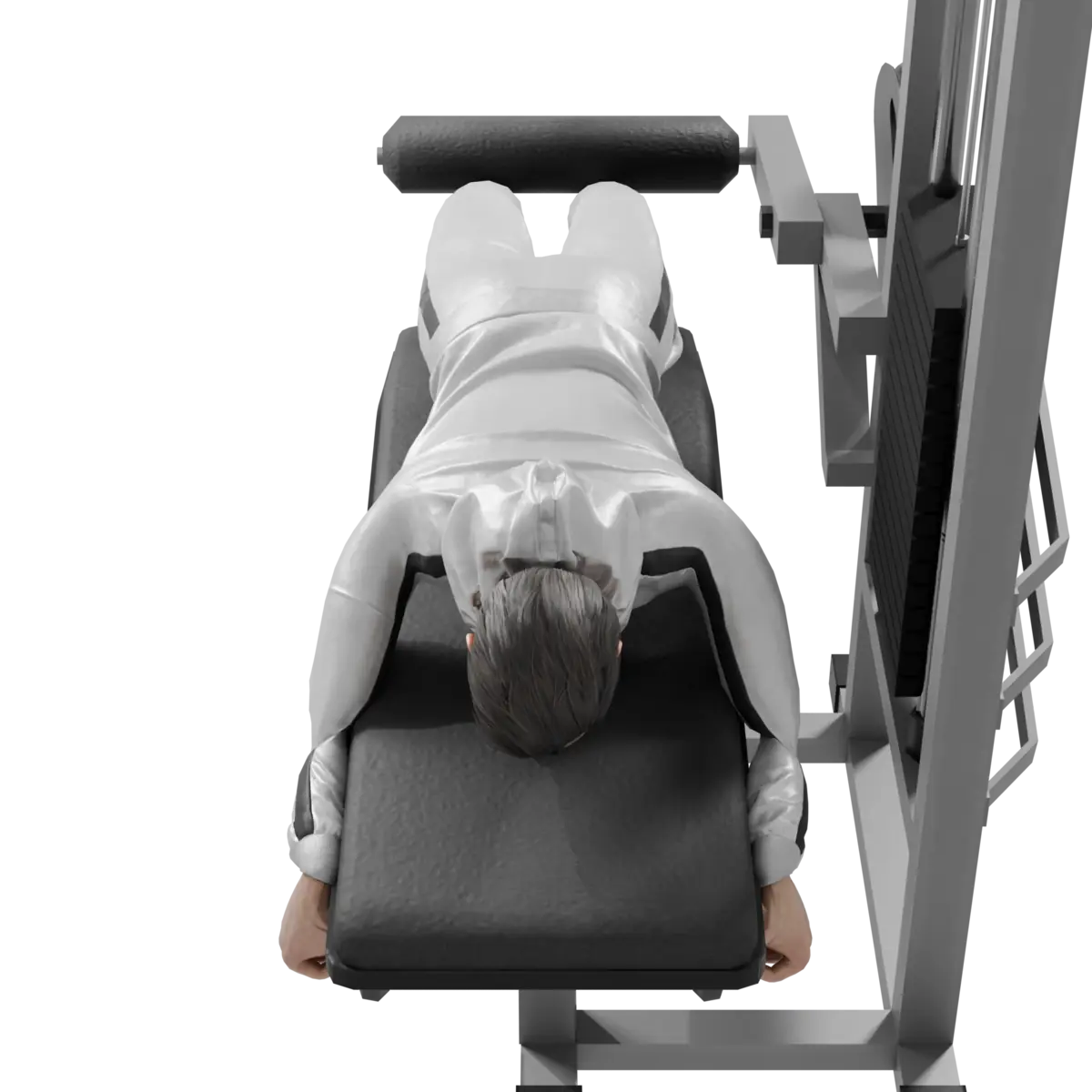
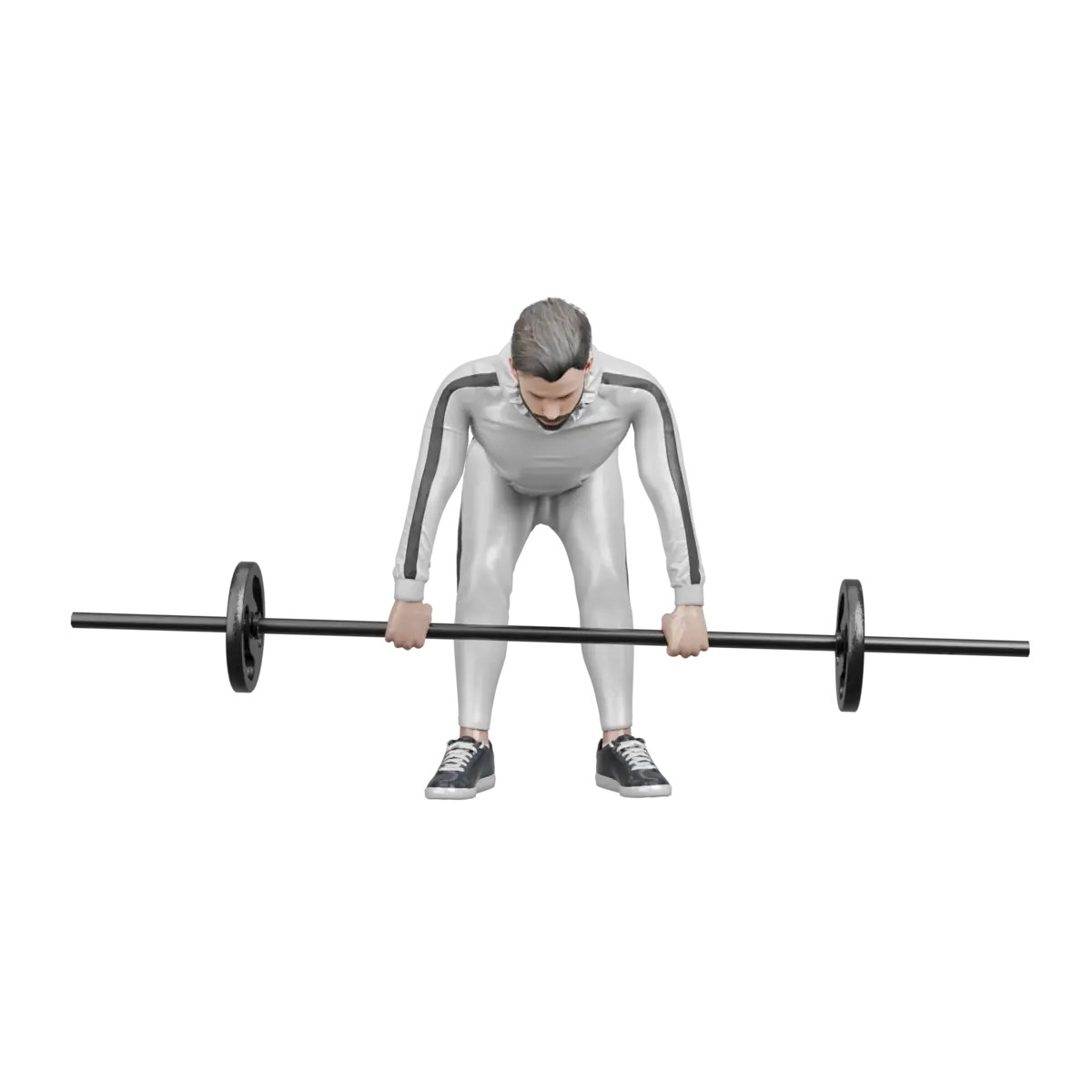
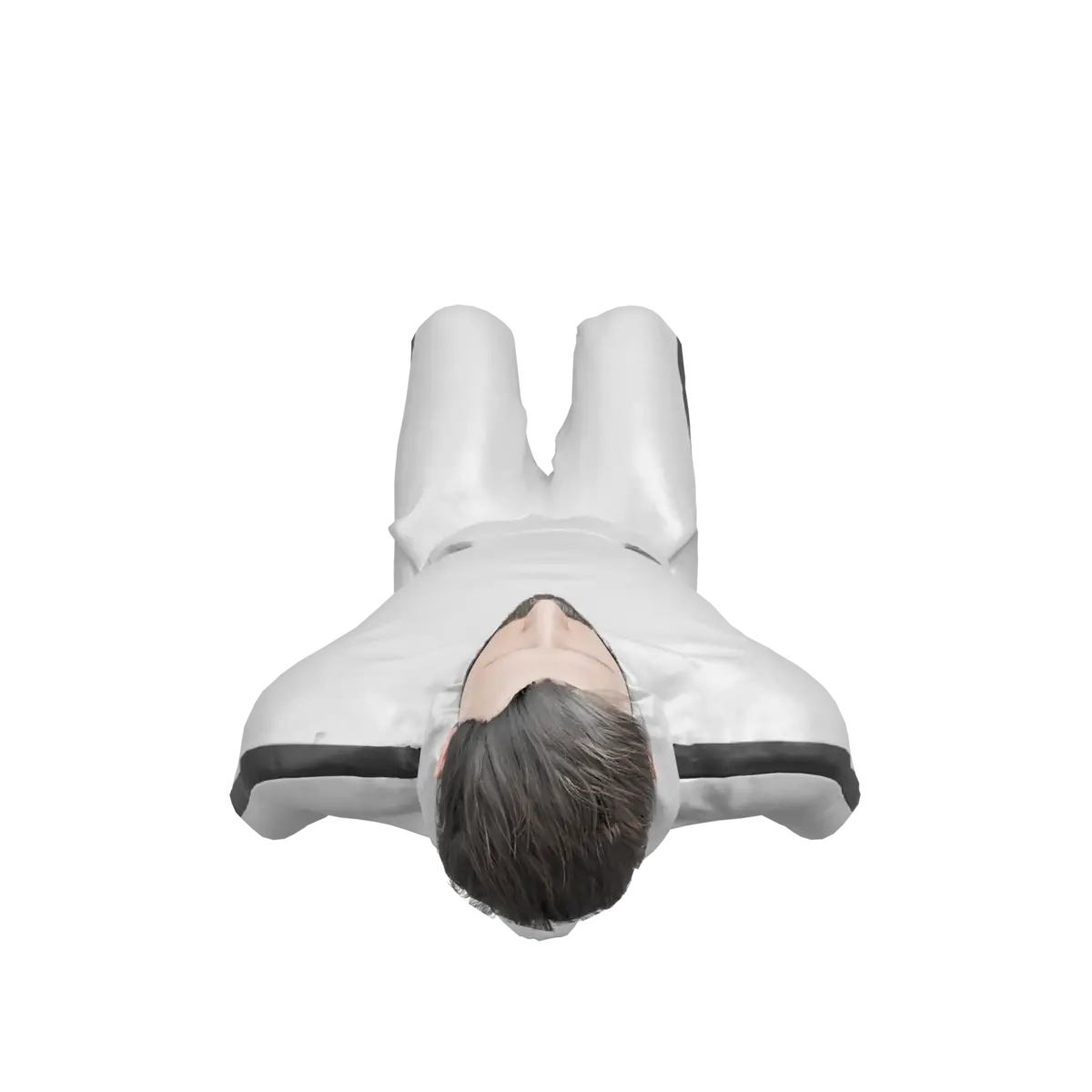
Good to know
Seated leg curl from every angle
Your thighs are locked under a pad, your ankles rest on a roller, and you curl your heels down and back under the seat. Your hips stay bent the whole time, so the hamstrings work from a long stretch. Only the knees move, and your lower back stays out of it. Below you will find how to set up the seat and the pads, the muscles worked, sets and reps, how it compares to the lying leg curl, and the mistakes that cost you range.
Muscles worked
The seated leg curl works the hamstrings, the three muscles on the back of the thigh that bend the knee. Because you sit with your hips bent, the hamstrings are already stretched at the top of each rep, and they work hard through that long range. The calves help a little at the knee, more so when you point your toes. Your back and quads barely work. That makes the seated leg curl one of the most direct ways to grow the back of your legs.
Sets and reps for hamstring growth
For muscle growth, do 3 to 4 sets of 8 to 15 reps. Pause for a second at the bottom and let the weight up slowly. Rest 60 to 90 seconds between sets. Stop each set with 1 or 2 good reps left and add weight once you hit the top of your rep range on every set. Since your hips are locked in, the seated leg curl stays strict even when it gets heavy, so you can push it hard near the end of a leg day.
Seated leg curl vs lying leg curl
Both train the hamstrings by bending the knee. On the seated leg curl your hips are bent, so the hamstrings work from a longer stretch. Newer studies found more hamstring growth with seated curls than lying curls. The lying leg curl keeps the hips straight and lets you squeeze harder at the top. If your gym has both, the seated version is a good default, and the lying one is a good swap. Pair either one with a Romanian deadlift, which trains the hamstrings at the hip.
Seated leg curl variations
Single leg curls fix a weaker side. Pulling your toes toward your shins takes the calves out and puts more work on the hamstrings. A 2 second pause at the bottom makes a light weight much harder. Leaning your chest slightly forward adds even more stretch. In the app the exercise is called Seated Leg Curl, and single leg sets can be logged with half the weight.
Alternatives: no machine, at home, with dumbbells
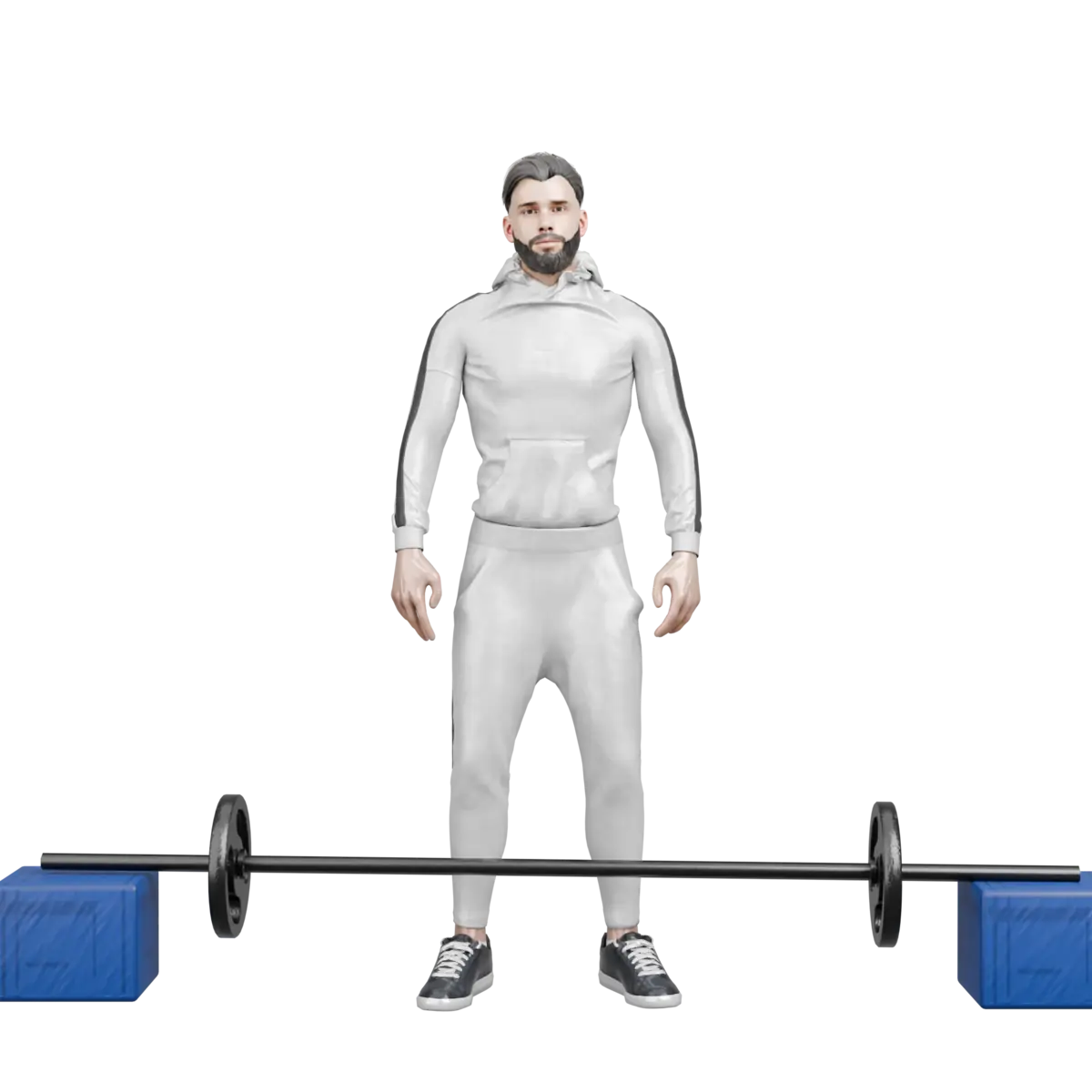
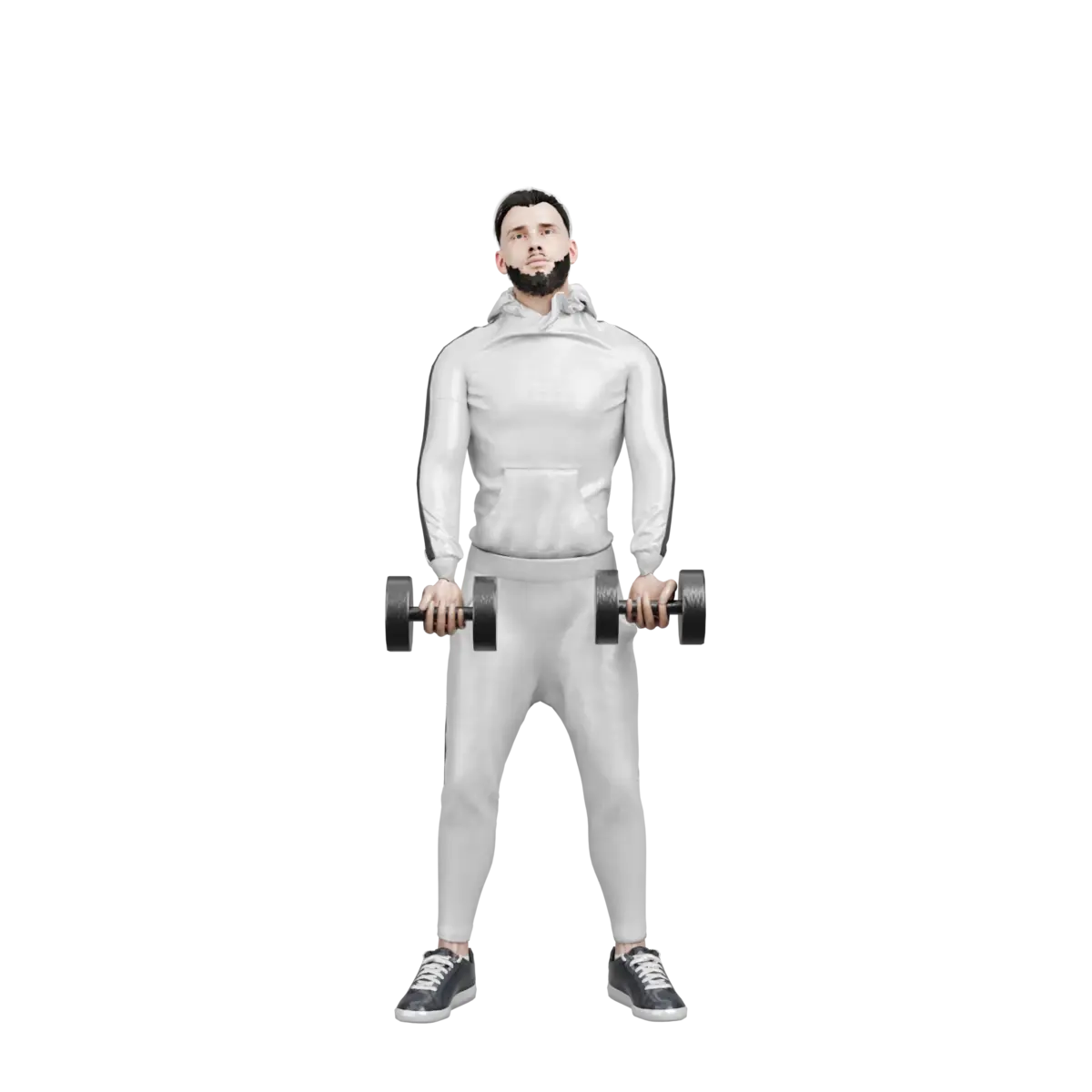
No seated leg curl machine? The lying leg curl is the closest swap. A Romanian deadlift trains the hamstrings in a long stretch at the hip. At home, a glute bridge with your feet far from your hips puts the hamstrings to work with no equipment. The moves below are the closest swaps.
Plans with the seated leg curl
The seated leg curl is the third exercise on Day B of Full Body Foundation, 3 sets of 6 to 10, with the lying leg curl as the swap. In Curves & Confidence it is the swap for the lying leg curl on Day C, 3 sets of 8 to 12. Log every set in GymDroid and the plan sets your next weight. On iPhone and Android.
Full Body Foundation · Curves & Confidence · Dumbbell Home Essentials
What muscles does the seated leg curl work?
The hamstrings on the back of the thigh, all three muscles. The calves help a little at the knee. Your quads and lower back get almost no work.
Is the seated leg curl better than the lying leg curl?
For growth, the seated leg curl has a small edge. Sitting with your hips bent stretches the hamstrings more, and studies found more growth with it. The lying leg curl is still a great exercise. Use the one your gym has, or both in the same week.
How should you set up a seated leg curl machine?
Line your knees up with the pivot, put the roller just above your heels and lock the thigh pad down on your thighs above the knees. Your back stays against the back pad.
How many sets and reps of seated leg curls?
3 to 4 sets of 8 to 15 reps works for most people. Pause at the bottom and let the weight up over 2 seconds.
Should your toes be pointed or flexed on seated leg curls?
Flexed or relaxed. Pulling your toes toward your shins keeps the calves out and makes the hamstrings work harder. Pointed toes often cramp the calves.
Why do I feel seated leg curls behind my knee?
Often the knees are out of line with the pivot or the roller sits too high. Fix the setup and lower the weight. If the pain stays, stop and see a professional.

Plans with the seated leg curl
The seated leg curl is the third exercise on Day B of Full Body Foundation, 3 sets of 6 to 10, with the lying leg curl as the swap.


Updated