 GymDroid
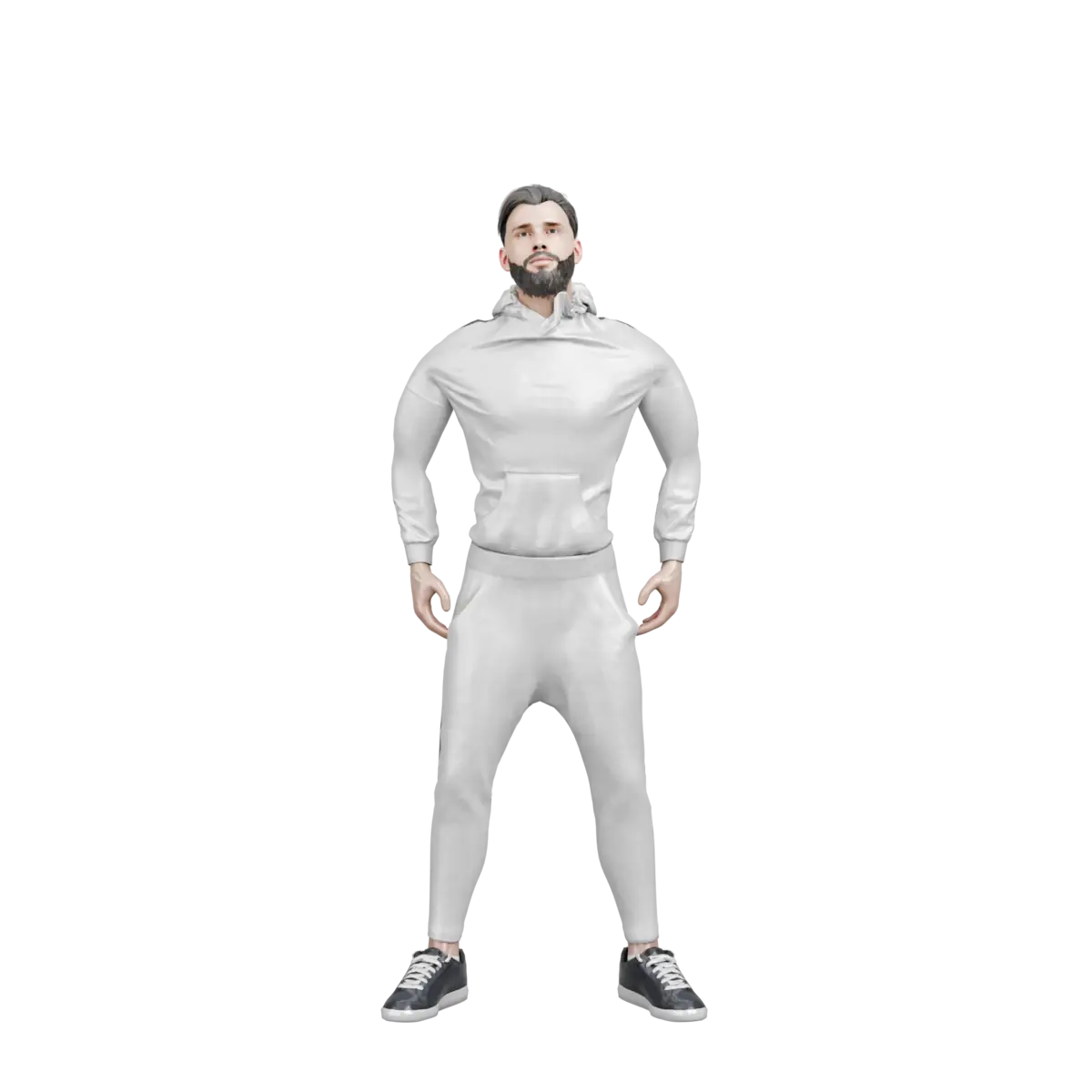
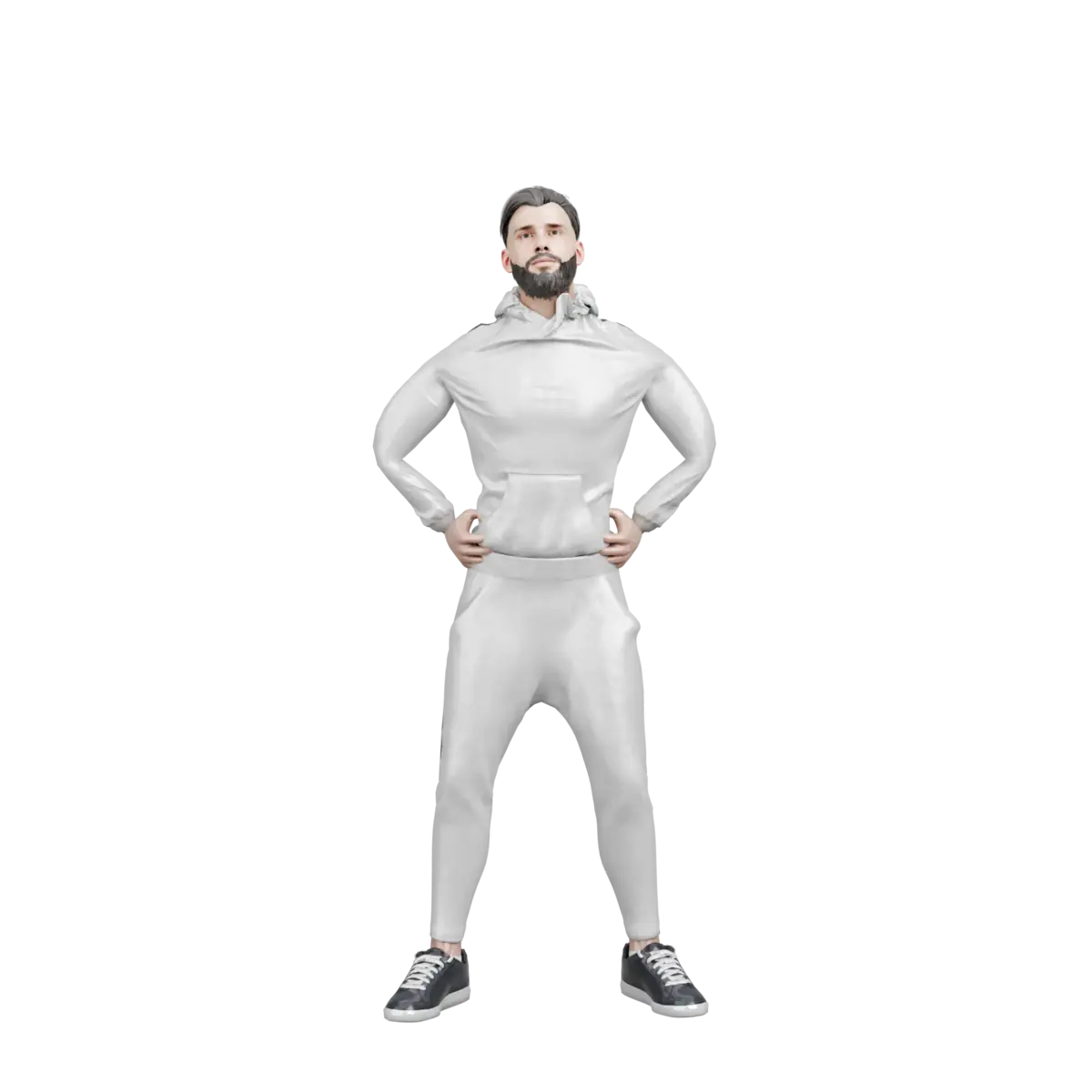
The bodyweight squat from every angle
Bodyweight Squat: How to Do It Right
The bodyweight squat, also called the air squat, is the squat with no weight at all.
- Works
- Quadriceps
- Also works
- Glutes, Hamstrings
How to do a bodyweight squat, step by step
- Stand tall with your feet shoulder width apart and your toes turned slightly out.
- Reach your arms straight out in front of you at shoulder height, or cross them over your chest. This helps your balance.
- Start the rep by pushing your hips back and bending your knees, as if you are sitting down onto a chair.
- Keep your chest up and your back straight. Let your knees travel out in line with your toes.
- Lower until your thighs are about parallel to the floor, or a bit lower if your heels stay down.
- Pause for a moment at the bottom. Keep your heels flat and your weight over the middle of your feet.
- Push through your heels and midfoot to stand back up. Straighten your hips and knees fully at the top, then start the next rep.
Common bodyweight squat mistakes
- Heels lifting off the floor. Sit your hips back a little more and keep your weight over your midfoot. If your ankles are stiff, turn your toes out a bit more or widen your stance.
- Knees caving inward. Push your knees out so they point the same way as your toes, on the way down and on the way up.
- Going only halfway down. Aim for thighs at least parallel to the floor. Squat to a chair or a low box if you need a target.
- Chest falling forward. Hold your arms out in front and look at a point on the wall ahead. Keep your chest proud the whole rep.
- Rushing the reps. Take two to three seconds on the way down. Slow reps teach you control and make the set harder in a good way.
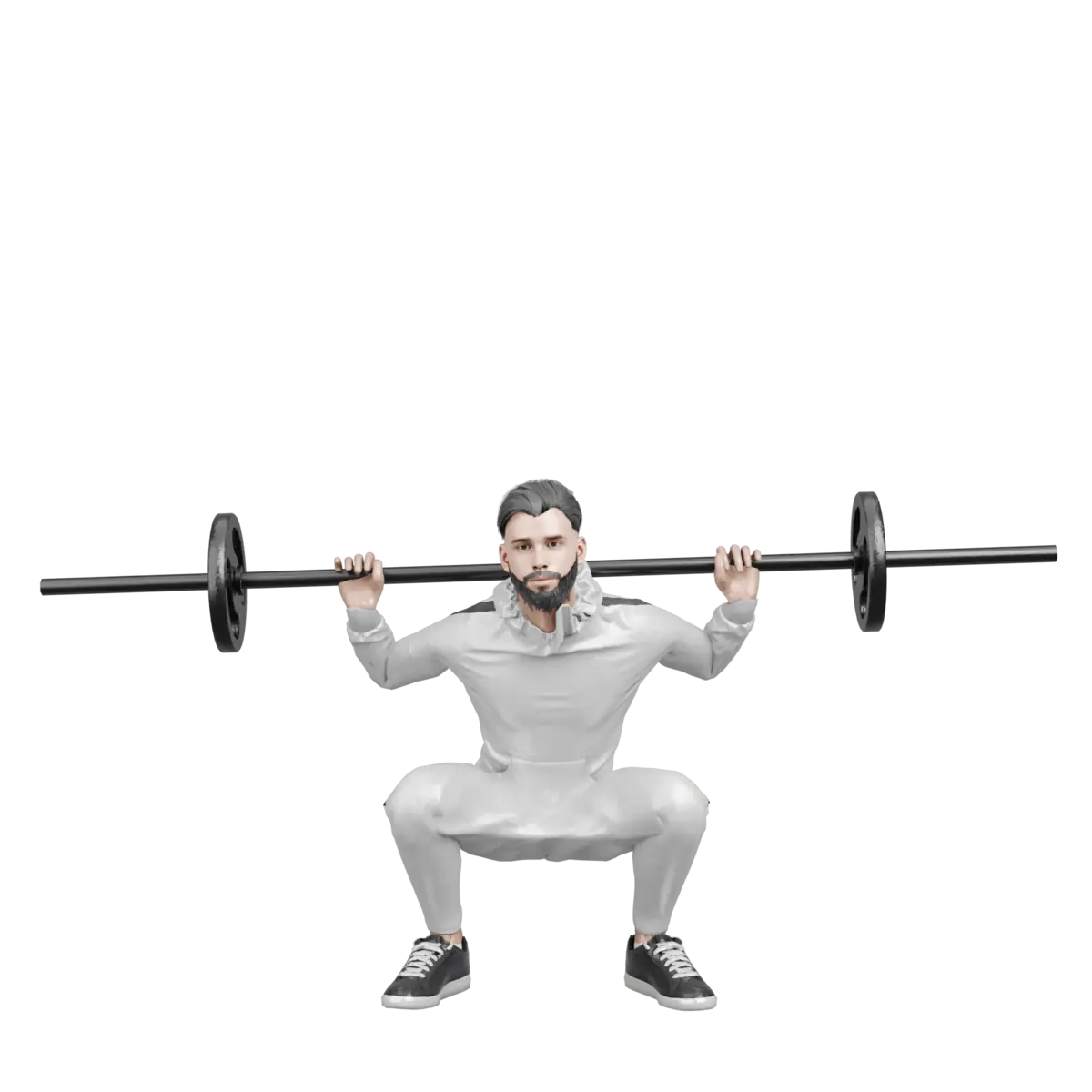
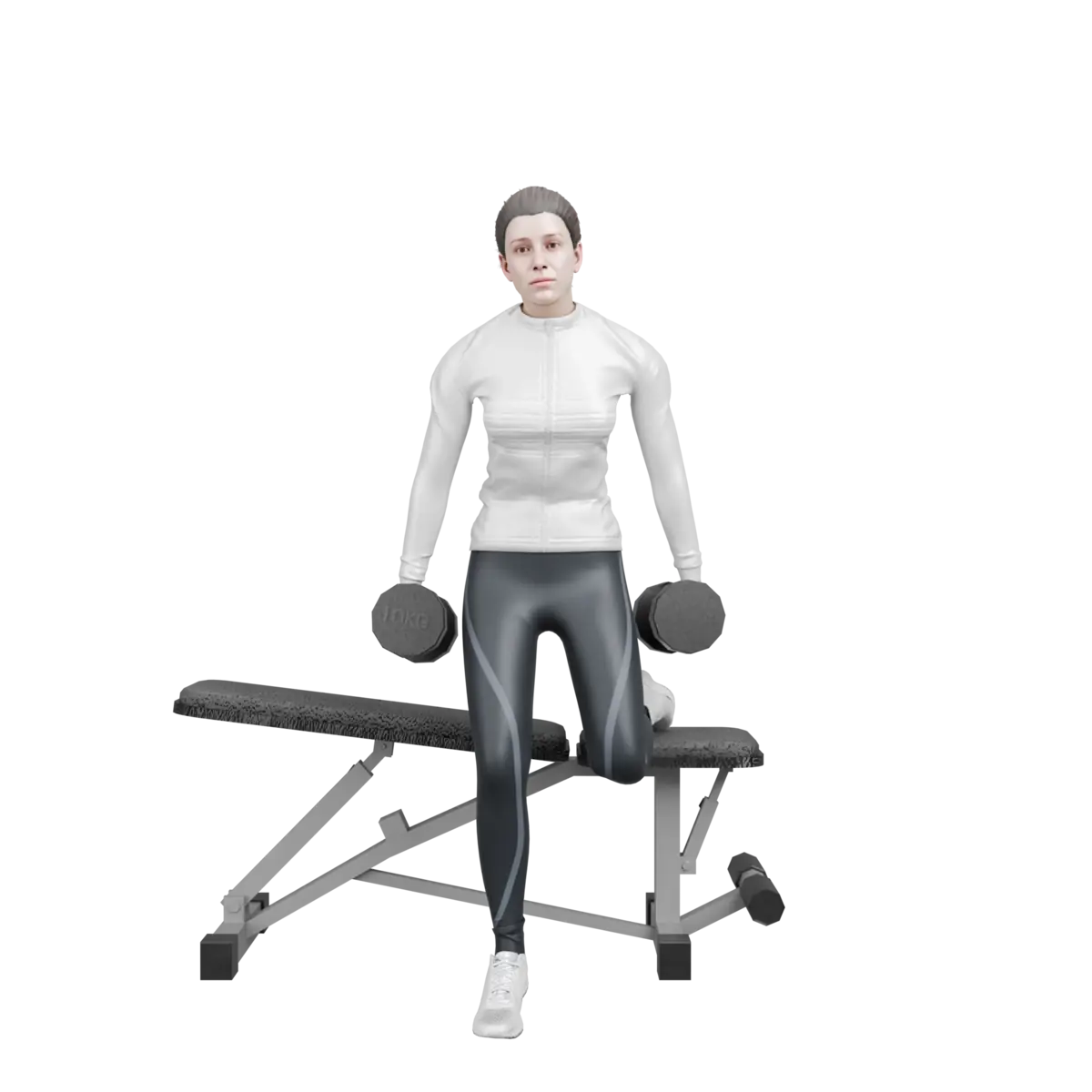
Alternatives at home and in the gym
Same muscles, different equipment.
Good to know
The bodyweight squat from every angle
You push your hips back, bend your knees, sit down until your thighs are about parallel to the floor and stand back up. It trains the quads first, with the glutes and hamstrings helping. It needs no equipment, so you can do it at home, in a hotel room or as a warm up before leg day. It is also the best way to learn the squat pattern before you put a bar on your back. Below you will find how to do a bodyweight squat step by step, how deep to go, the muscles worked and the mistakes that make it feel wrong.
Muscles worked
The quadriceps on the front of your thighs do most of the work. They straighten your knees as you stand up. The glutes help drive your hips forward, more so the deeper you go. The hamstrings work a little at the hip and help keep your knees stable. Your core keeps your chest up through every rep.
Sets and reps for bodyweight squats
Beginners can start with 3 sets of 10 to 15 reps and rest about 60 seconds between sets. Add a few reps each week. Once 3 sets of 20 feel easy, the reps alone stop doing much. Make it harder instead: lower for three seconds, pause for two seconds at the bottom, or add a jump on the way up. Holding a dumbbell at your chest turns it into a goblet squat.
Bodyweight squat vs barbell squat
Both use the same pattern. The barbell squat lets you add weight week after week, so it builds more strength and muscle over time. The bodyweight squat has no load, so it is safer to learn on, works anywhere and is a good warm up. Learn clean bodyweight squats first, then move to the bar.
Alternatives at home and in the gym
Want it harder at home? Try a jump squat, a pause squat or a split squat on one leg. In the gym, the moves below train the same muscles with more load.
Plans with the bodyweight squat
The bodyweight squat is the home swap for the barbell back squat on Day A of Curves & Confidence. It also opens the home workout Bodyweight full body. Log each set in GymDroid and see the move from every angle before you start. On iPhone and Android.
Full Body Foundation · Curves & Confidence · Dumbbell Home Essentials
What muscles do bodyweight squats work?
Mostly the quads on the front of your thighs. The glutes and hamstrings help, and your core keeps your torso upright.
Is an air squat the same as a bodyweight squat?
Yes. Air squat is just another name for a squat with no weight.
How many bodyweight squats should I do a day?
There is no magic number. 3 sets of 15 to 20 reps, two or three times a week, is a good start. Rest a day when your legs are sore.
Can bodyweight squats build muscle?
For beginners, yes. Once you can do 20 or more clean reps, slow the reps down, add pauses or move to single leg work or weights.
How low should I go in a bodyweight squat?
At least until your thighs are parallel to the floor. Go lower if your heels stay down and your back stays straight.
Should my knees go past my toes when I squat?
That is fine for most people. Keep your heels down and your knees in line with your toes. If it hurts, stop and see a professional.

Plans with the bodyweight squat
The bodyweight squat is the home swap for the barbell back squat on Day A of Curves & Confidence.


Updated