 GymDroid
Reverse lunge from every angle
How to Do a Reverse Lunge With Proper Form
The reverse lunge is a step back into a split stance, a drop of the back knee toward the floor and a push back up to standing.
- Works
- Quadriceps, Gluteus maximus
- Also works
- Hamstrings, Adductors, Core
How to do a reverse lunge, step by step
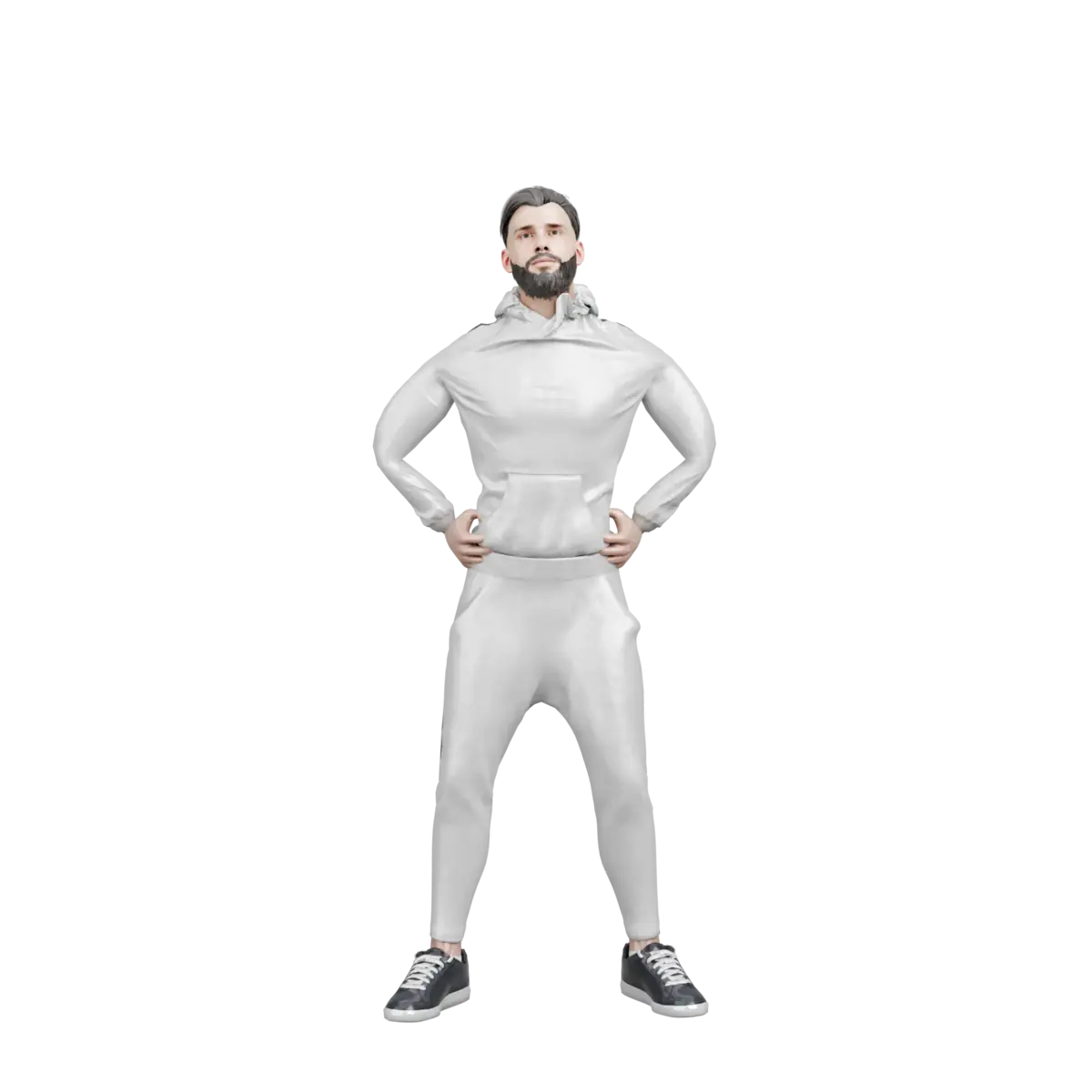
- Stand tall with your feet hip width apart, your core braced and your hands on your hips or by your sides.
- Take a controlled step straight back with one leg and land softly on the ball of that foot. Keep your feet on two separate tracks, like on train rails, not on a tightrope.
- Bend both knees and lower until your back knee is just above the floor and your front thigh is about parallel to the ground.
- Keep your torso upright, your front shin close to vertical and most of your weight on the heel and midfoot of the front foot.
- Push through the front heel to stand back up and bring the back foot forward to the start.
- Stand all the way up before the next rep. Alternate legs, or finish all reps on one side first.
Common reverse lunge mistakes
- A step that is too short. If your front heel lifts or your front knee shoots far forward at the bottom, step further back. Both knees should be close to 90 degrees.
- Feet on one line. Keep your feet hip width apart side to side. A narrow stance is why most people lose balance.
- Dropping the back knee into the floor. Lower under control and stop just above the floor.
- Pushing off the back foot. Stand up with the front leg. The rear foot only touches down for balance.
- Front knee caving inward. Keep the knee over the middle toes. Slow down until you can.
Alternatives: at home, with a bench, with a machine
Same muscles, different equipment.
Good to know
Reverse lunge from every angle
Your front foot stays planted the whole time, so it is easier to balance than a forward lunge and often kinder on the knees. It needs no equipment and works anywhere, from the gym floor to your living room. Once bodyweight feels easy, hold a dumbbell in each hand. Below you will find how to do reverse lunges step by step, how long your step should be, the muscles worked and the mistakes that make people wobble or feel it in the wrong place.
Muscles worked
The front leg does most of the work. The quadriceps straighten the knee and the gluteus maximus drives the hip as you stand back up. The hamstrings and the adductors on the inner thigh help. Your core keeps you steady, because every rep has a moment on one leg as you step back and return.
Sets and reps for reverse lunges
With bodyweight, do 3 sets of 10 to 15 reps per leg. Rest about 60 to 90 seconds between sets. When every set feels steady at the top of the range, make it harder: slow the lowering down to three seconds, pause at the bottom, or hold a dumbbell in each hand at your sides and drop to 8 to 12 reps per leg.
Reverse lunge vs forward lunge
In a forward lunge you step out and have to brake your body as you land, which loads the quads and the front knee more. In a reverse lunge you step back, so the front foot stays planted and balance is easier. Many people find the reverse lunge kinder on the knees and a little more glute focused. If forward lunges bother your knees, the reverse lunge is a good place to start.
Alternatives: at home, with a bench, with a machine
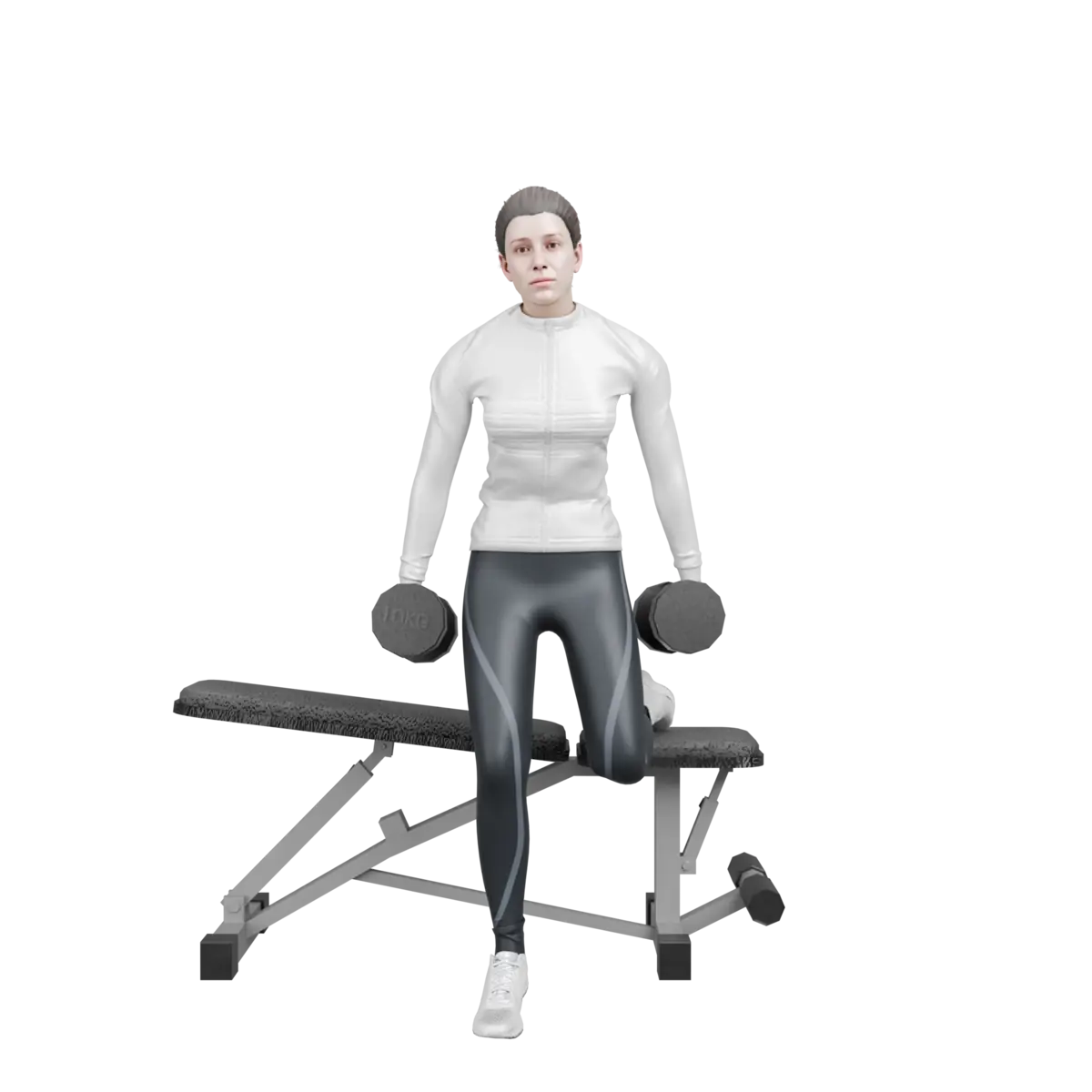
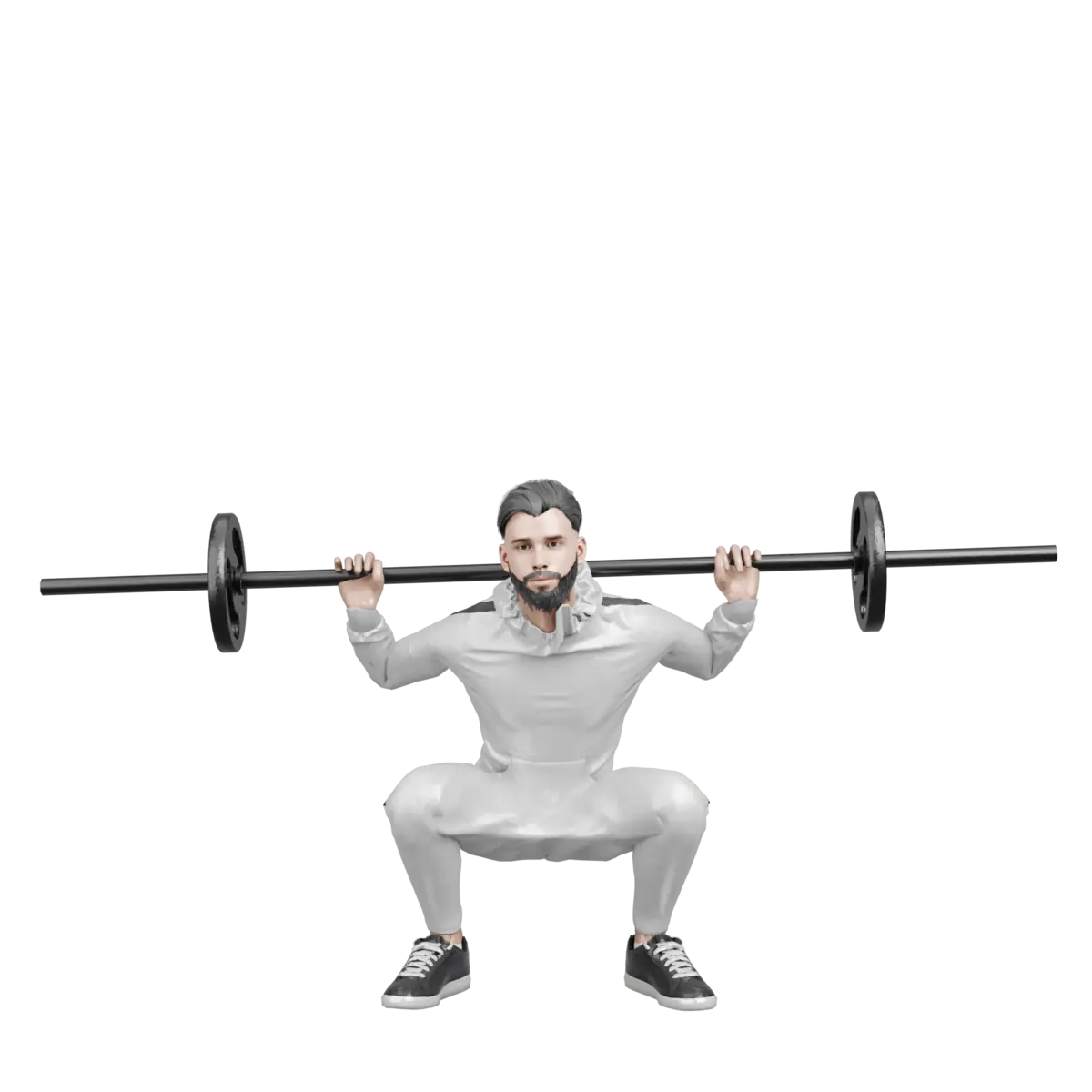
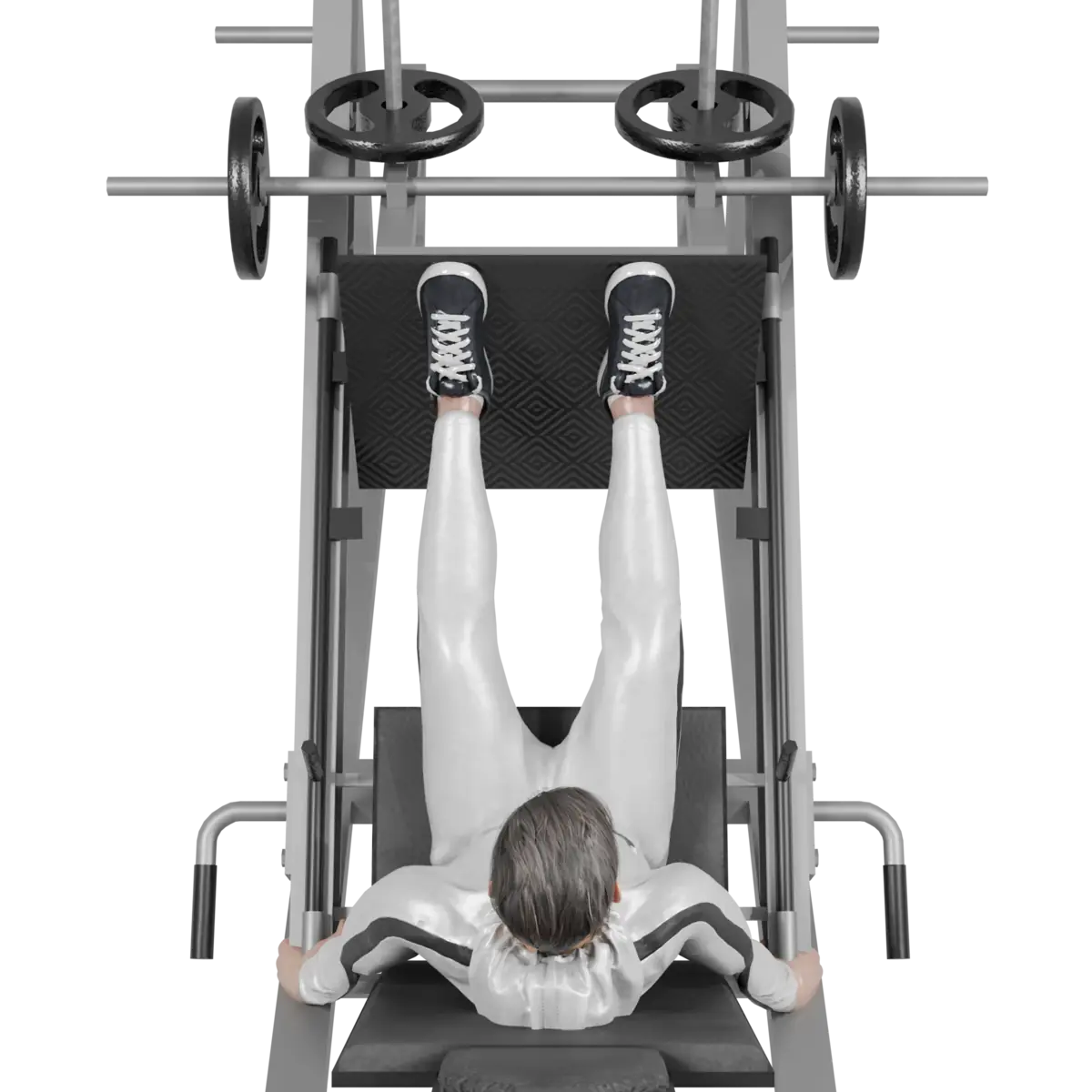
Split squats with both feet on the floor and step ups onto a sturdy box train the same pattern at home. In the gym, the moves below work the quads and glutes with more stability or more load.
Plans with the reverse lunge
The reverse lunge is a swap for the Bulgarian split squat on Day C of Curves & Confidence, and it shows up in the home workouts Glutes and legs at home and Bodyweight full body. Log each set in GymDroid and see the move from every angle before you start. On iPhone and Android.
Full Body Foundation · Curves & Confidence · Dumbbell Home Essentials
Do reverse lunges work glutes or quads?
Both. A longer step and a small forward lean bring in more glutes. A shorter step and an upright torso put more work on the quads.
Should your knee touch the ground in a reverse lunge?
No. Lower until the back knee is just above the floor. Touching lightly is fine, but do not drop or bounce on it.
Why do I lose my balance when doing lunges?
Usually your feet are on one line. Step back on two tracks, hip width apart, and look at a point on the floor a few meters ahead.
Are reverse or forward lunges better?
Reverse lunges are easier to balance and often feel better on the knees. Forward lunges are harder on the quads. Use the one you can do with good form.
When should I add dumbbells to reverse lunges?
When you can do 3 clean sets of 15 reps per leg with bodyweight. Start with light dumbbells at your sides and aim for 8 to 12 reps per leg.

Plans with the reverse lunge
The reverse lunge is a swap for the Bulgarian split squat on Day C of Curves & Confidence, and it shows up in the home workouts Glutes and legs at home and Bodyweight full body.


Updated