 GymDroid
The squat from every angle
How to Squat With Proper Form
The squat is the base of most leg workouts.
- Works
- Quadriceps, Gluteus maximus
- Also works
- Adductors, Hamstrings, Spinal erectors, Core
Step by step: stance, brace, descent, drive
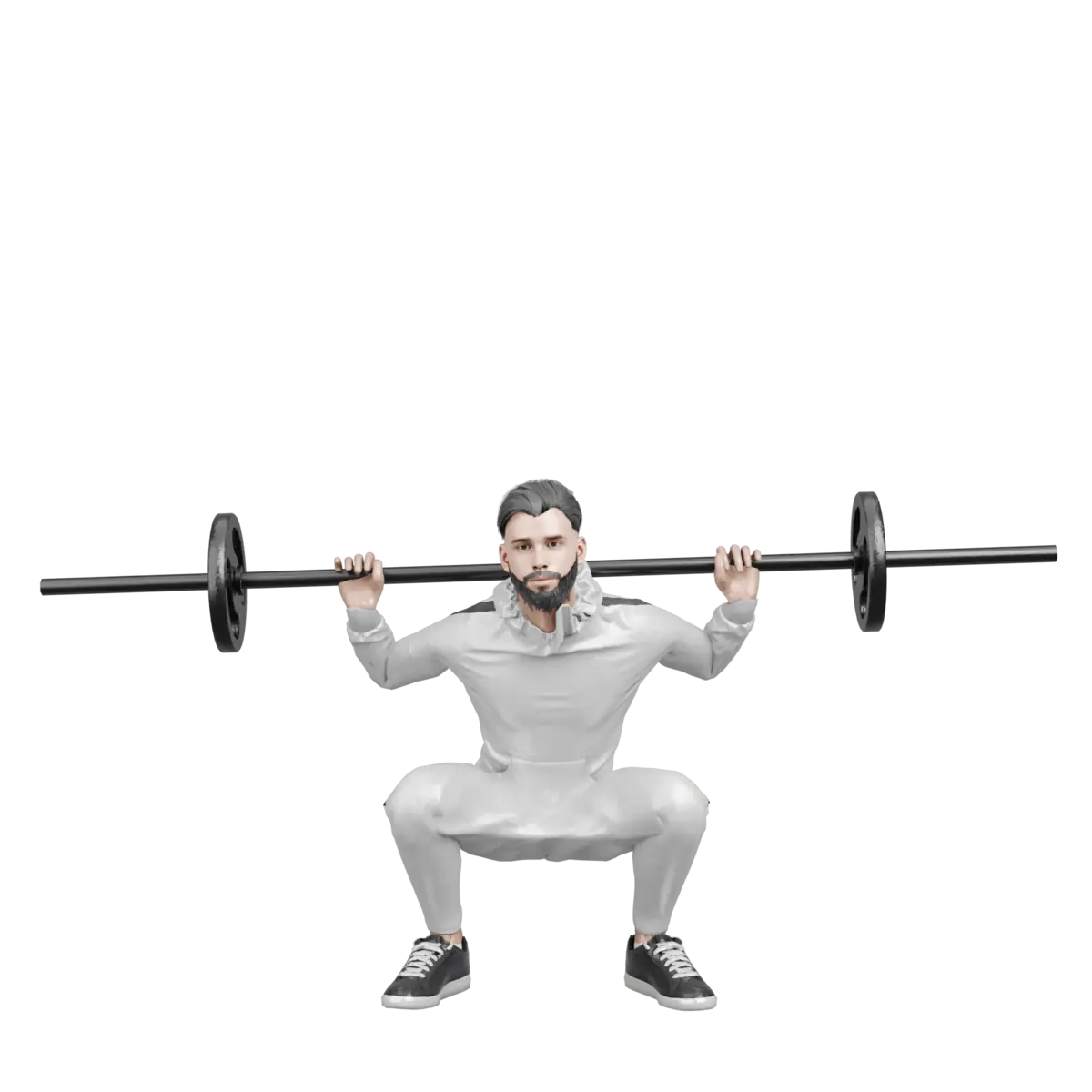
- Set the bar in the rack at about mid chest height, so you can lift it off with a small knee bend.
- Step under the bar and rest it on your upper traps, not on your neck. Grip it just outside your shoulders and pull your elbows down to lock the bar in place.
- Stand up to lift it off the rack, then take two or three short steps back. Do not walk it far.
- Stance: feet about shoulder width, toes turned out 15 to 30 degrees. Use the width where you can sit deep with your heels down.
- Brace: take a big breath into your belly, then tighten your stomach as if someone is about to poke it. Hold that breath on the way down.
- Descent: bend at the hips and knees at the same time and sit down between your heels. Push your knees out so they track over your toes.
- Go down until the crease of your hip is level with or below the top of your knee. Keep your chest up and your back flat.
- Drive: push the floor away through your whole foot and stand up, with your hips and chest rising together. Breathe out at the top, then brace again for the next rep.
Common squat mistakes
- Knees caving in. Push your knees out over your toes the whole way down and up. If they still cave, use a lighter weight until they stop.
- Heels lifting off the floor. Keep your weight over the middle of your foot. If your ankles are stiff, try a slightly wider stance or squat shoes with a raised heel.
- Hips shooting up first. Lead out of the bottom with your chest and upper back, so your hips and shoulders rise at the same speed.
- Cutting depth short. Film a set from the side. Reach parallel with control, or lower the weight until you can.
- Losing the brace at the bottom. Take a fresh breath and brace before every rep, not once per set.
- Bar resting on the neck. Move it down onto the thick part of your upper traps and squeeze your shoulder blades together to make a shelf.
Squat variations and alternatives
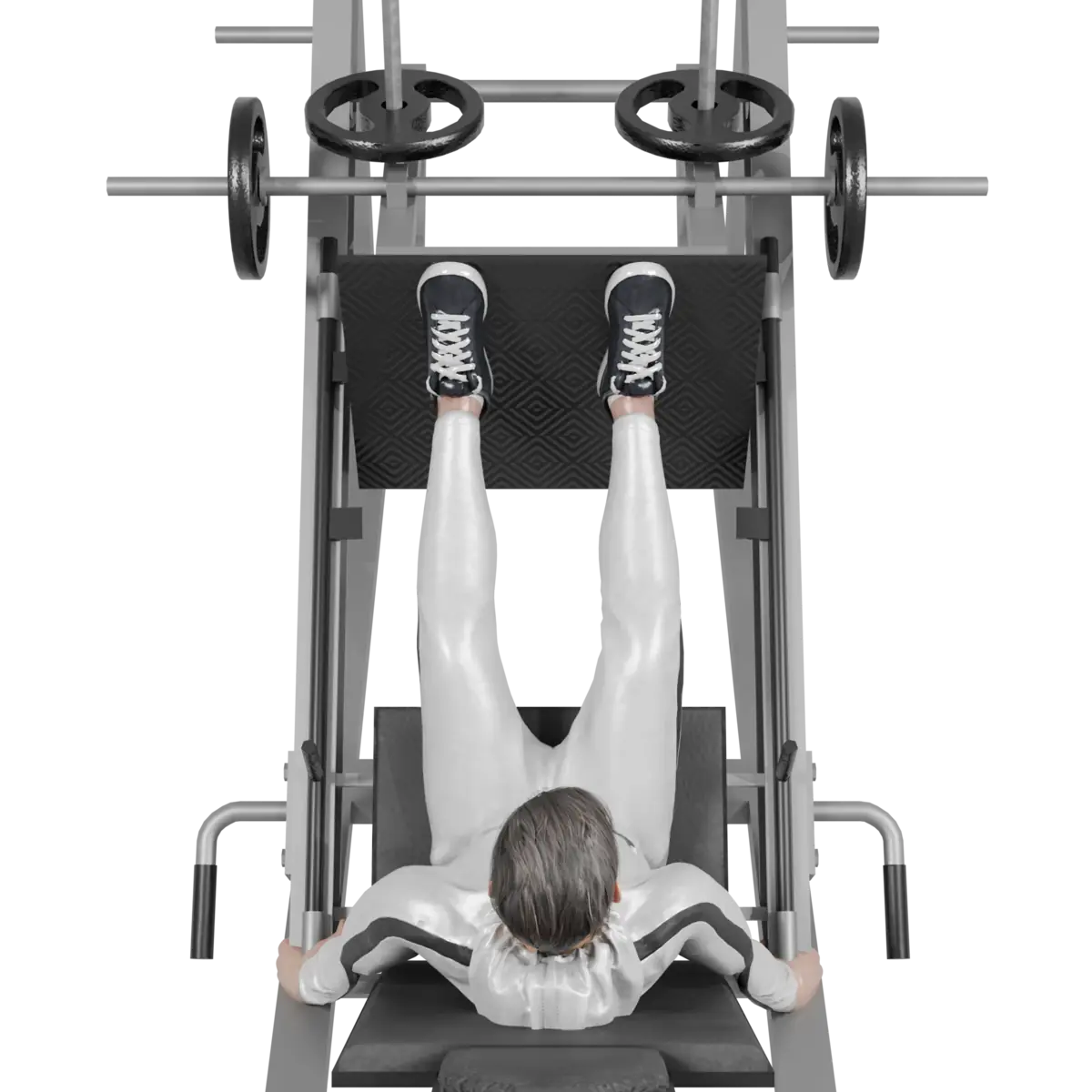
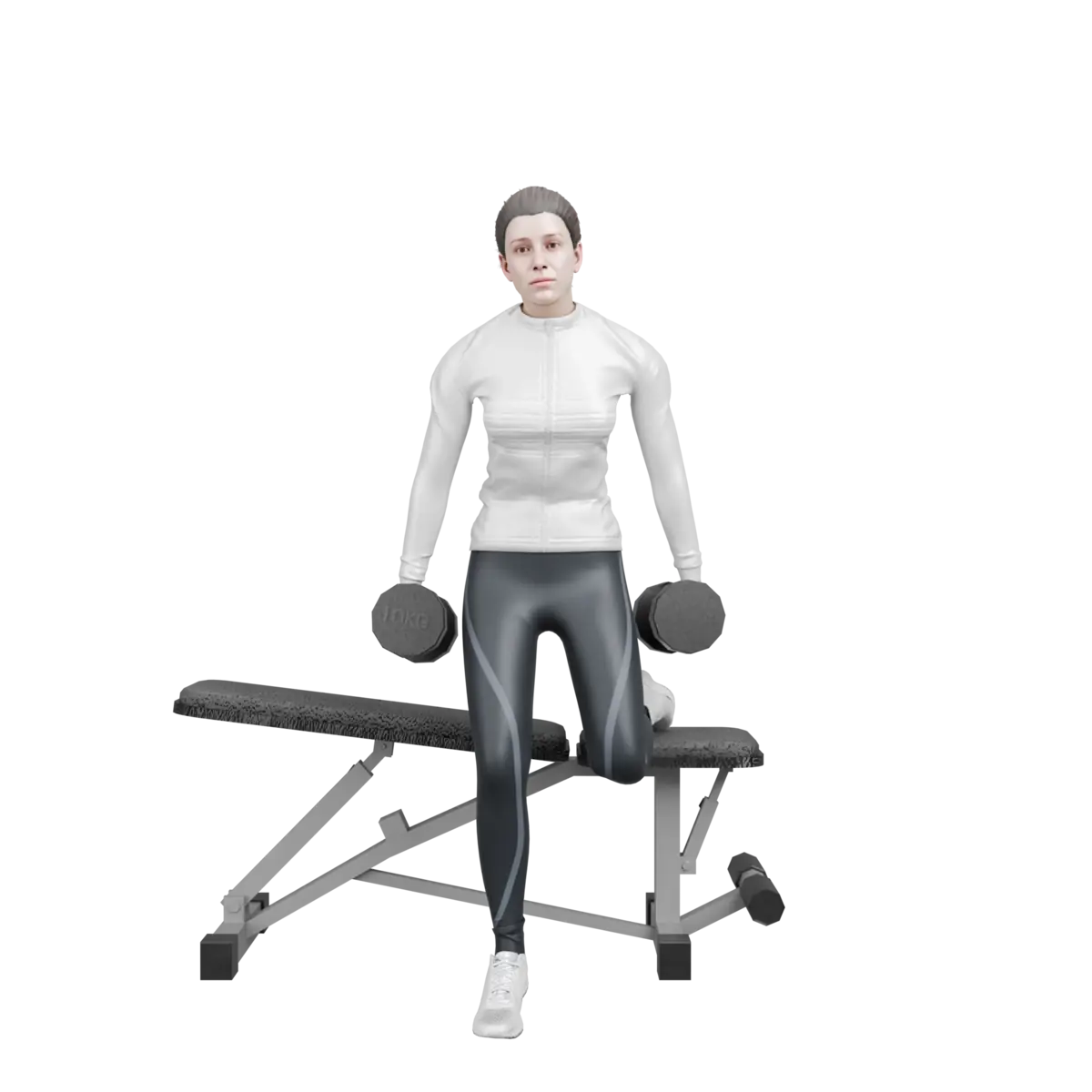
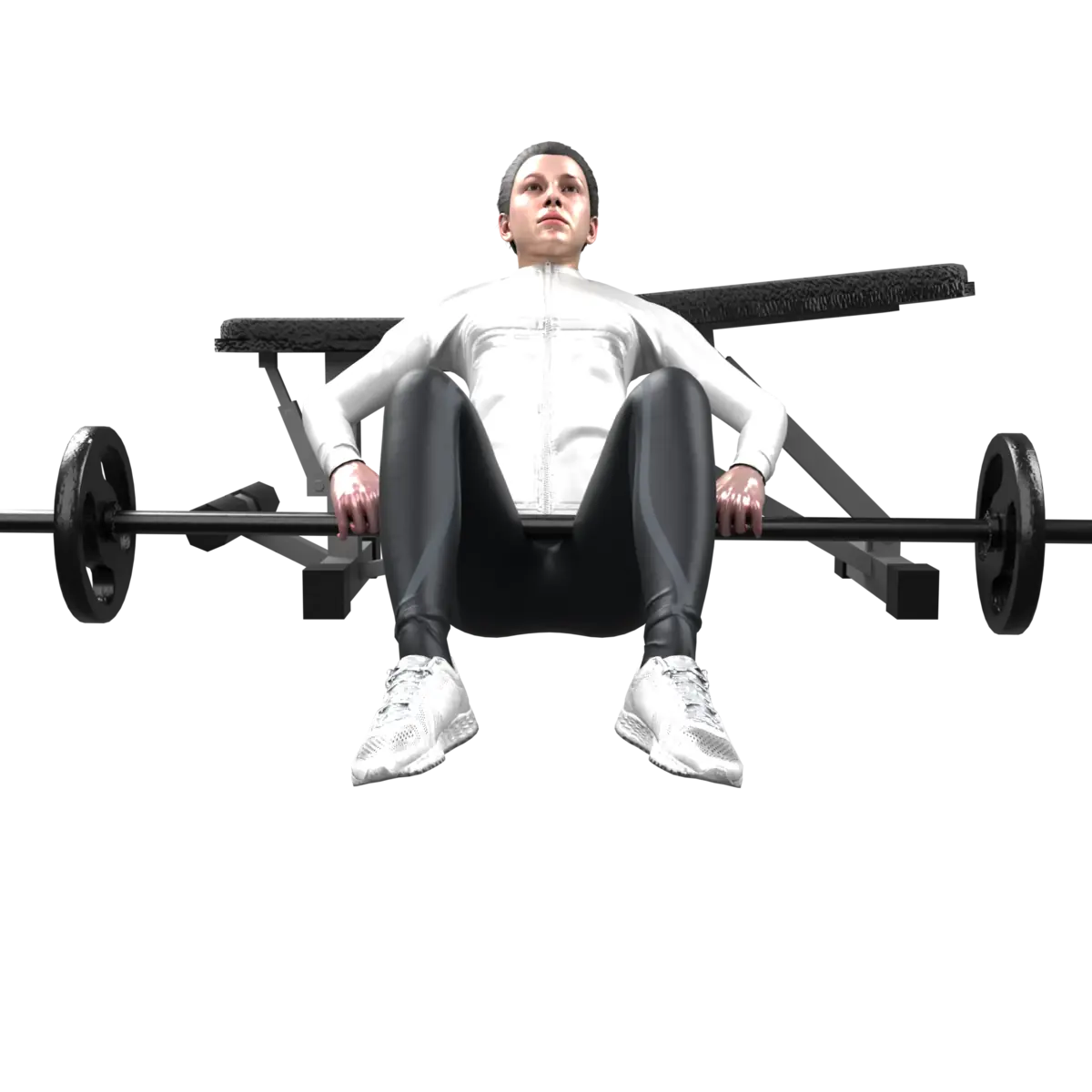
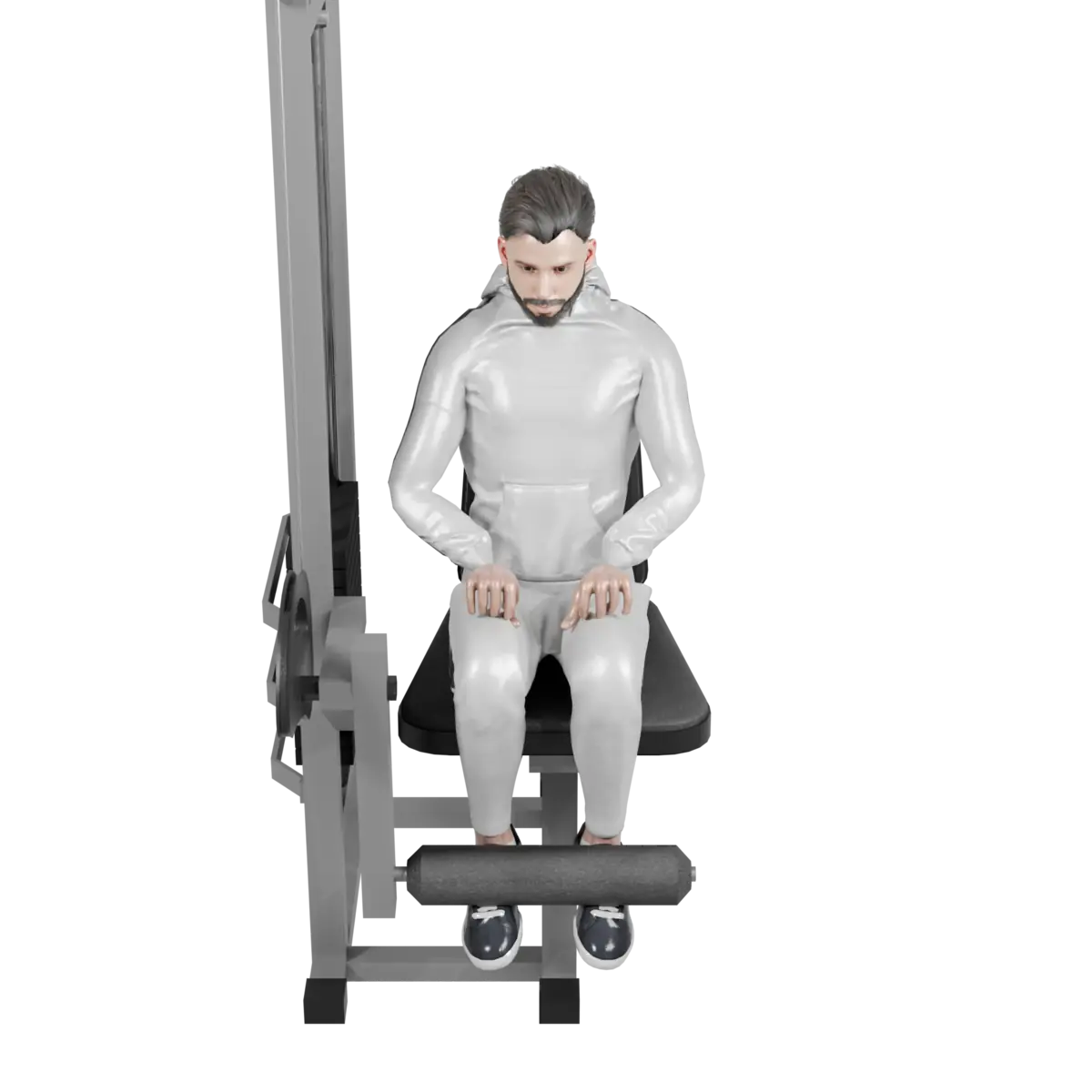
Same muscles, different equipment.
Good to know
The squat from every angle
In the barbell back squat you hold the bar across your upper back, sit down between your hips until your thighs reach parallel, then stand back up. It trains the quads and glutes hard and teaches you to brace your whole body under load. Below you will find how to squat step by step, how deep to go, whether your knees can pass your toes, and the squat mistakes that hold most people back. Good squat form is simple to learn and takes years to polish, so start light.
Muscles worked
The squat mainly works the quadriceps on the front of your thighs and the gluteus maximus. The adductors on the inner thigh work hard near the bottom, and the hamstrings help at the hip. Your spinal erectors and core hold the torso steady so the bar stays over the middle of your foot.
How deep should you squat?
Aim for at least parallel: the crease of your hip level with the top of your knee. That depth trains the quads and glutes through a long range, and it is the standard most coaches use. Going deeper is fine if your back stays flat and your heels stay down. If your lower back starts to tuck under at the bottom, stop just above that point and work on depth with lighter sets. Half squats let you move more weight, but they build less strength and muscle in the bottom range, where most people are weakest.
Knees over toes: is it safe?
For most people, yes. To reach a deep squat with your torso fairly upright, your knees need to travel forward past your toes. Holding them back on purpose mostly shifts the stress to your hips and lower back. What matters more is that your knees track in line with your toes and your whole foot stays on the floor. People with long thighs will see their knees go further forward, and that is normal. If your knees hurt during or after squatting, stop and see a professional.
Squat variations and alternatives
The front squat holds the bar on the front of your shoulders. It keeps you more upright and puts more work on the quads. The bodyweight squat is the easiest way to learn the pattern and works anywhere. A Smith machine squat guides the bar on rails, so balance is less of a factor. A box squat teaches you to hit the same depth every rep. If the barbell bothers your back or shoulders, or you want more leg work, the moves below train the same muscles.
Plans with the squat
The squat is a main lift on Day A of Full Body Foundation and Day A of Curves & Confidence, both 3 day plans for the gym. Log every set and the plan sets your next weight. On iPhone and Android.
Full Body Foundation · Curves & Confidence · Dumbbell Home Essentials
Should your knees go past your toes when you squat?
They can. Most people need some forward knee travel to squat deep with a fairly upright torso. Keep your knees in line with your toes and your heels on the floor.
How deep should you squat?
To at least parallel, with the hip crease level with the top of the knee. Go deeper if your back stays flat and your heels stay down.
What are common squat mistakes?
Knees caving in, heels coming up, hips rising faster than the chest, stopping above parallel and losing the brace at the bottom. Most of them get better with a lighter weight and a video of your set from the side.
Where should the bar sit on a back squat?
On the upper traps, just below the bony part at the base of your neck. That is the high bar position and suits most beginners. In a low bar squat the bar sits a few centimeters lower, across the back of the shoulders, and you lean further forward.
What muscles do squats work?
Mainly the quads and glutes. The adductors, hamstrings, lower back and core help, which is why the squat is one of the best leg exercises you can do.
How many sets and reps of squats should I do?
For strength, 3 to 5 sets of 3 to 6 reps with 2 to 3 minutes of rest. For muscle, 3 to 4 sets of 6 to 12 reps. Add 2.5 to 5 kg when every set feels solid.

Plans with the squat
The squat is a main lift on Day A of Full Body Foundation and Day A of Curves & Confidence, both 3 day plans for the gym.


Updated