 GymDroid
Overhead press from every angle
Overhead Press: How to Do It Right
The overhead press, also called the shoulder press or military press, is the main standing barbell lift for the shoulders.
- Works
- Front deltoids
- Also works
- Side deltoids, Triceps, Upper trapezius, Serratus anterior, Core, Glutes
How to do an overhead press, step by step
- Set the bar in a rack at upper chest height.
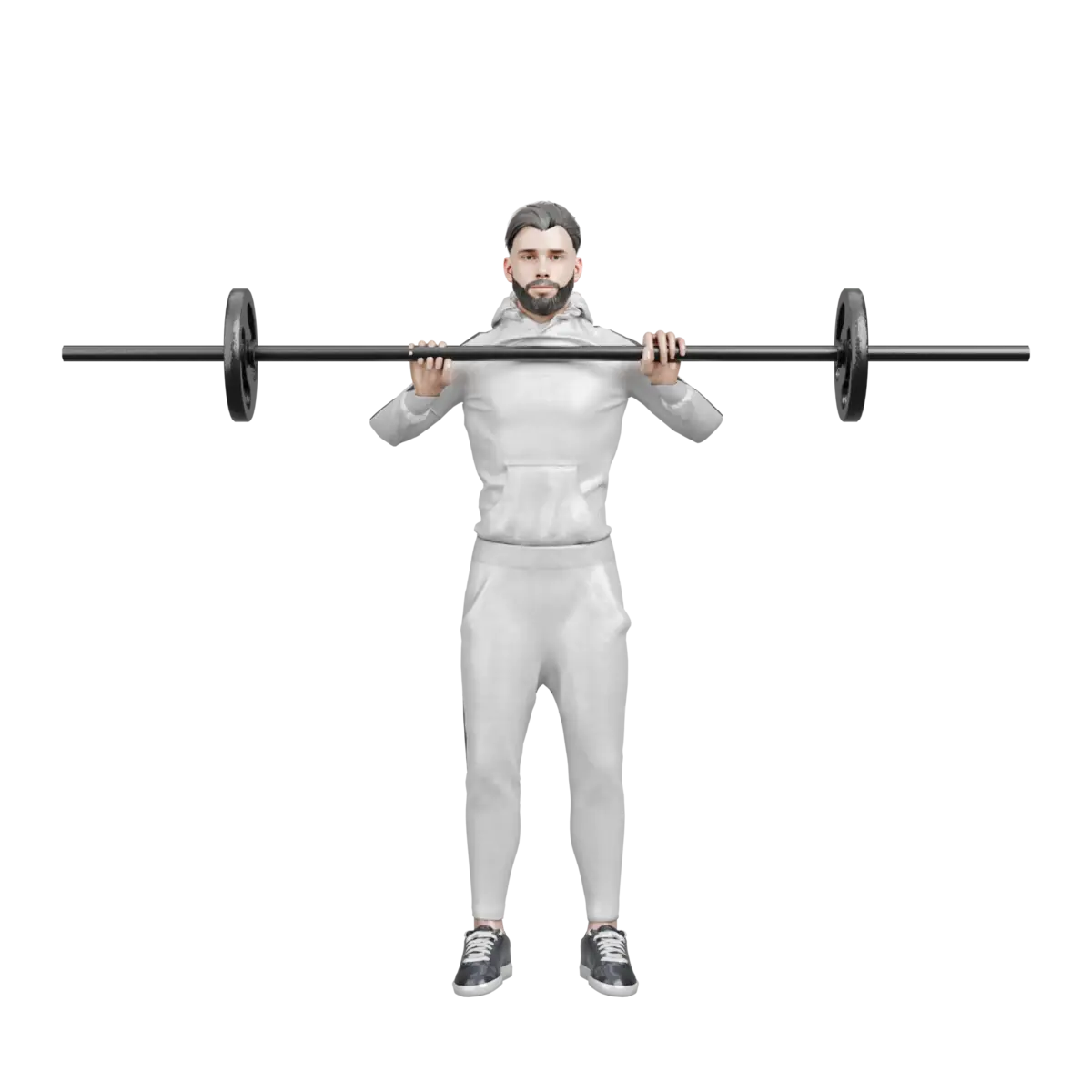
- Grip it just outside shoulder width, palms forward, with your wrists stacked over your forearms.
- Lift it off the rack and take one step back. Feet hip width apart, the bar resting on the front of your shoulders, elbows slightly in front of the bar.
- Squeeze your glutes, brace your stomach and take a breath.
- Pull your chin back and press the bar straight up, close to your face.
- Once the bar passes your forehead, move your head forward under it, so the bar ends over the middle of your feet.
- Lock out with straight arms and shrug up a little at the top. Lower with control back to the front of your shoulders.
Common overhead press mistakes
- Leaning far back to press. Squeeze your glutes and keep your ribs down. If you have to lean back a lot, the weight is too heavy.
- Pressing the bar around your face. Pull your head back, press straight up, then bring your head through under the bar.
- Elbows behind the bar at the start. Start with your elbows a little in front of the bar so you push it up, not forward.
- Wrists bent back. Hold the bar low in your palm, right over the forearm.
- Stopping short of lockout. Finish with straight arms and the bar over the back of your head, biceps near your ears.
Alternatives: dumbbells, seated, at home
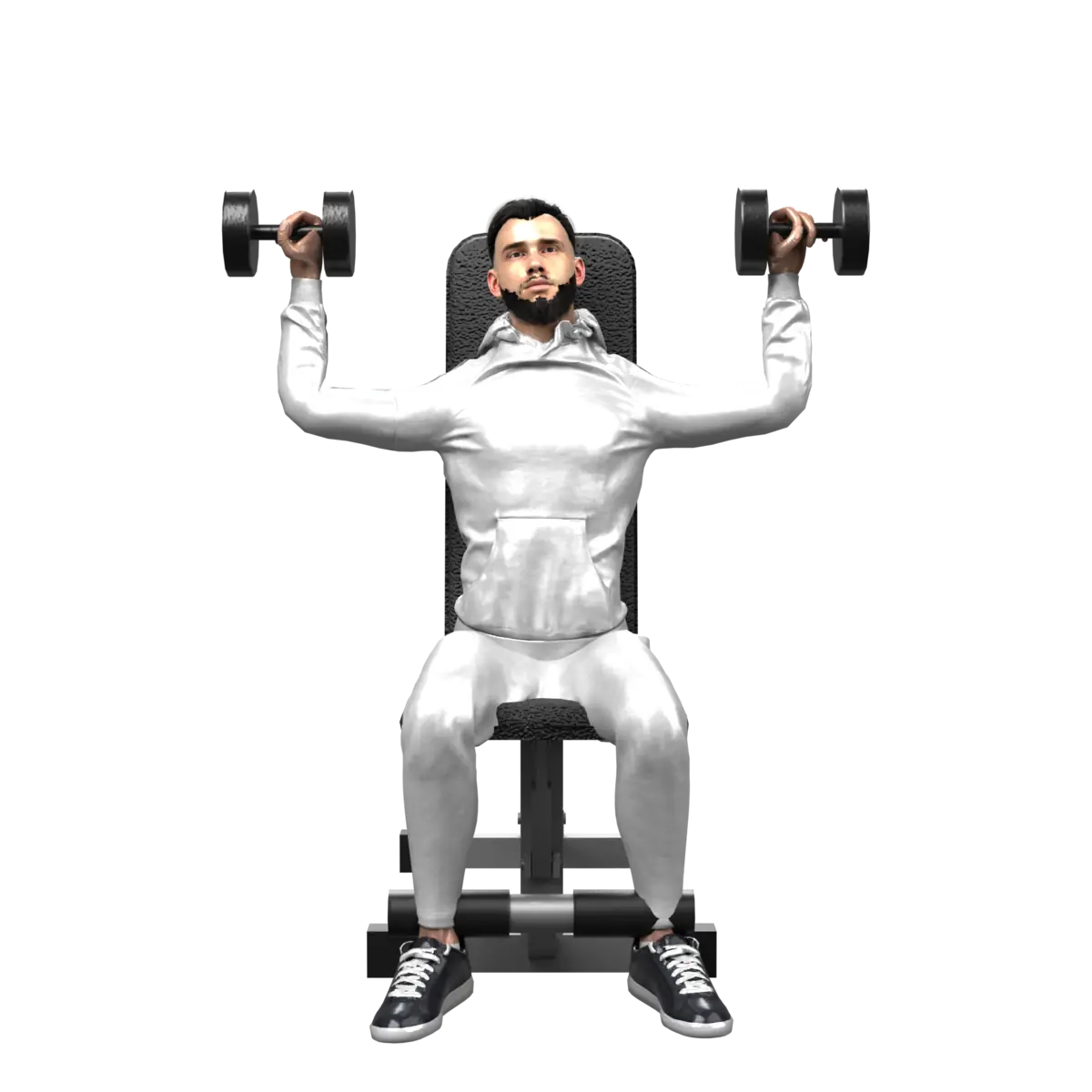
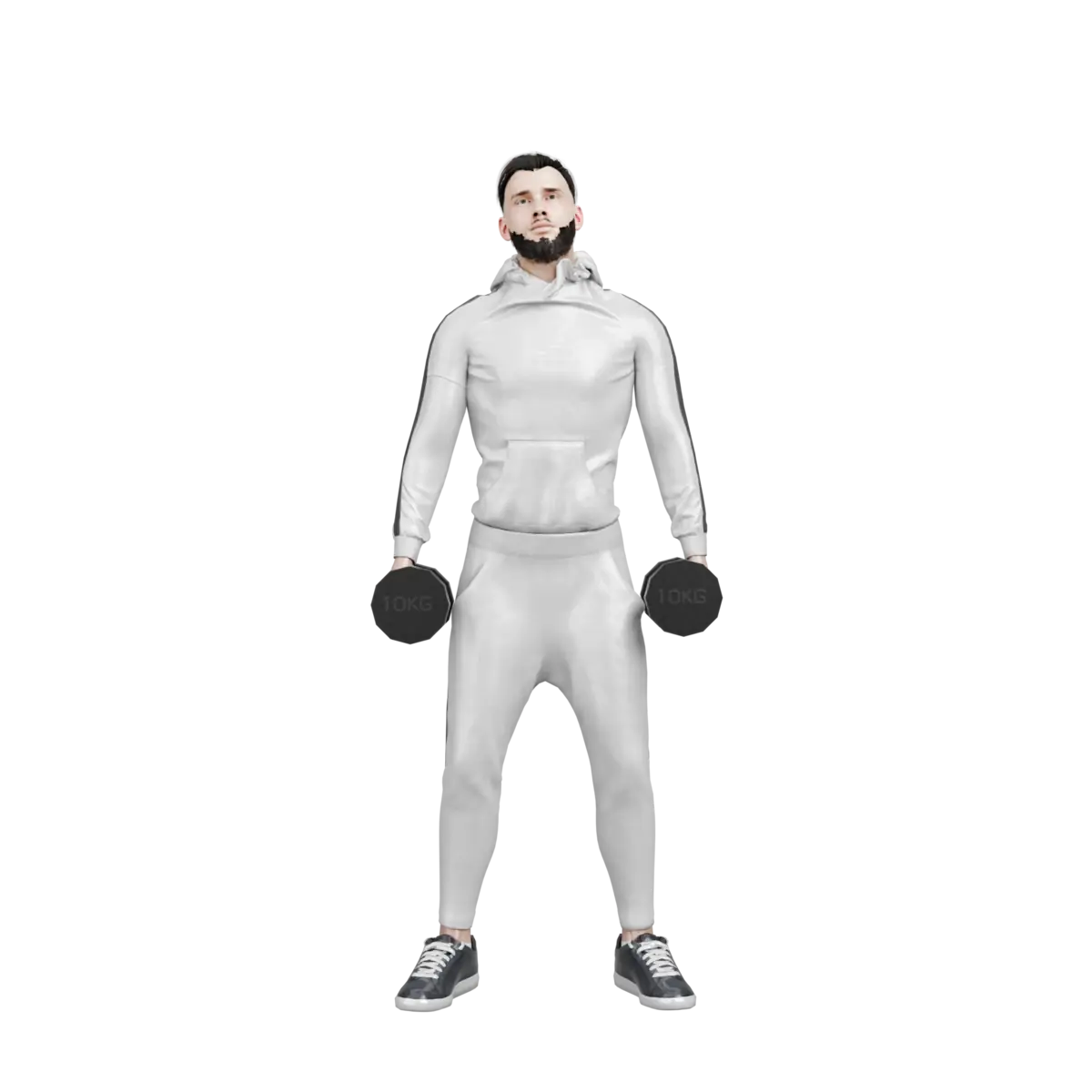
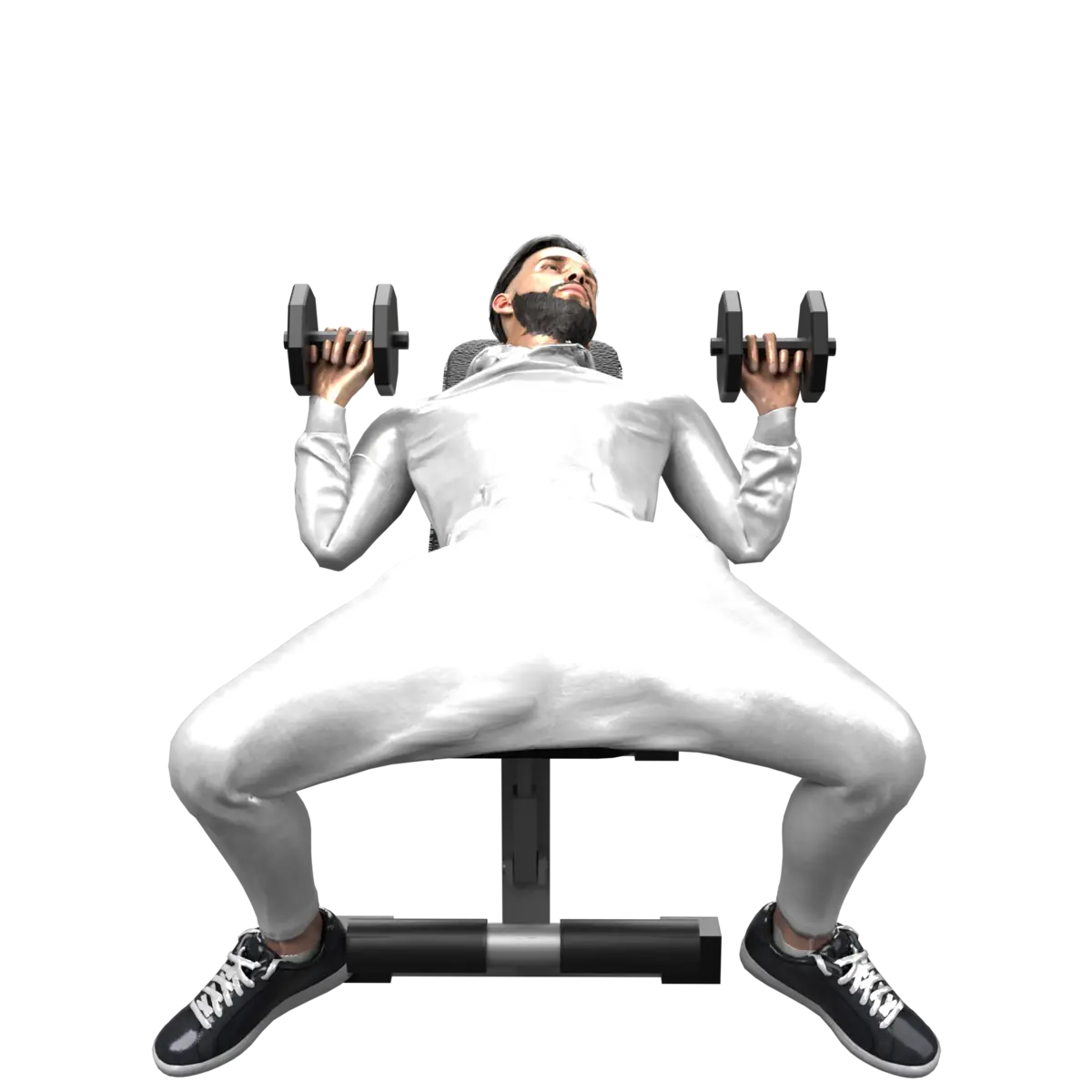
Same muscles, different equipment.
Good to know
Overhead press from every angle
You press the bar from the front of your shoulders to straight arms over your head, while your legs, glutes and core keep your body stiff. It builds strong shoulders and triceps and helps your bench press. Below is how to do the overhead press step by step, how to keep the bar path straight and the mistakes that make it feel awkward.
Muscles worked
The front deltoids do most of the work, with help from the side deltoids and the triceps, which lock your arms out. The upper traps and serratus rotate your shoulder blades up at the top. Because you stand, your glutes and core work hard to stop you from leaning back.
Sets and reps for shoulder strength
For strength, do 3 to 5 sets of 3 to 6 reps with 2 to 3 minutes of rest. For bigger shoulders, use 3 sets of 6 to 10 reps. The overhead press goes up slowly compared to other lifts, so add the smallest jump you can, 1 to 2.5 kg in total, and be patient. A small increase every week or two adds up over a year.
Overhead press vs dumbbell shoulder press
The barbell press lets you lift more and makes progress easy to track, and standing brings your core and legs into the lift. The seated dumbbell press lets each arm move on its own, takes balance out of the picture and is often easier on the wrists and shoulders. A common setup is the barbell press as your main shoulder lift and dumbbells as the second exercise. If the bar bothers your shoulders, switch to dumbbells.
Alternatives: dumbbells, seated, at home
The seated dumbbell press is the closest swap. At home, press a pair of dumbbells standing or seated on a chair with a back. Pike push ups train the same pattern with body weight, and a landmine press is a shoulder friendly option at the gym.
Plans with the overhead press
The overhead press is on Day A of Full Body Foundation, a 3 day gym plan. Log every set and the plan sets your next weight. On iPhone and Android.
Full Body Foundation · Curves & Confidence · Dumbbell Home Essentials
What muscles does the overhead press work?
Mainly the front deltoids, with the side delts and triceps helping. Standing also works your core and glutes.
Is the overhead press the same as the military press?
Mostly, yes. Military press often means a strict standing press with the feet close together. Overhead press is the general name. A push press adds a dip and drive from the legs.
How much should I overhead press?
A common rule of thumb is about 60 to 70 percent of your bench press. Body weight and arm length matter, so judge your progress against your own numbers.
Is the overhead press bad for your shoulders?
For most people, no, when the bar path is straight and the weight is right. If you feel a pinch or pain overhead, stop and see a professional. Dumbbells or a landmine press often feel better.
Should you overhead press standing or seated?
Standing trains your core and balance and is the classic version. Seated lets you focus on the shoulders. Both build muscle, so pick the one you can do well.

Plans with the overhead press
The overhead press is on Day A of Full Body Foundation, a 3 day gym plan.


Updated