 GymDroid
Push ups from every angle
Push Ups: How to Do Them Right
Push ups are the classic bodyweight chest exercise.
- Works
- Pectoralis major
- Also works
- Triceps, Front delts, Core
How to do a push up, step by step
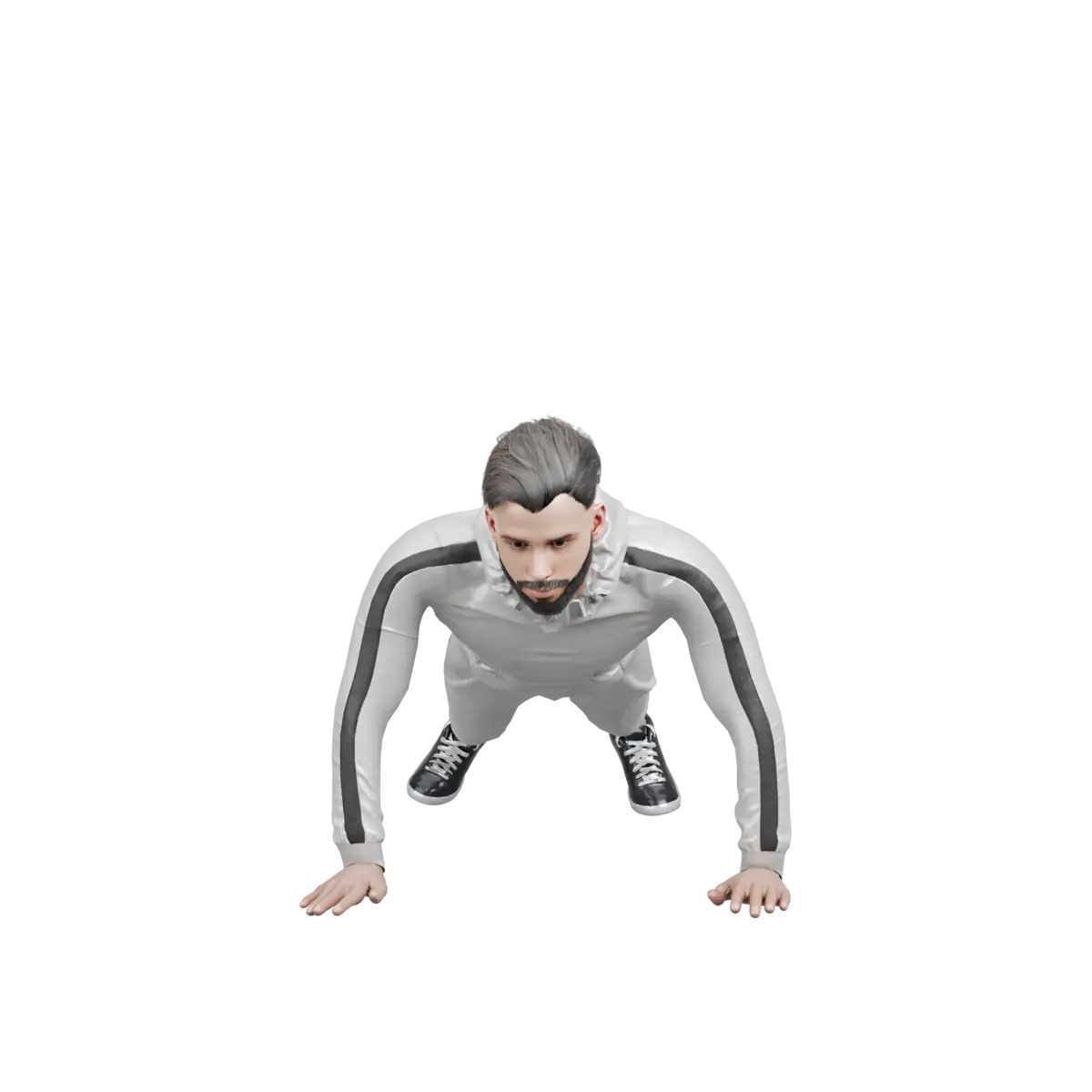
- Get on the floor on your hands and toes. Hands flat under your shoulders, fingers spread, feet about hip width apart.
- Squeeze your glutes and brace your core so your body is one straight line from head to heels. Look a little ahead of your hands.
- Breathe in and bend your elbows. Lower your whole body as one unit, with the elbows tucked at about 45 degrees from your torso.
- Go down until your chest is just above the floor. Keep your upper arms close to your ribs and your hips in line with your shoulders.
- Press through your palms and straighten your arms until you are back at the top. Breathe out on the way up.
- Keep the body straight through the whole rep. Do not let the hips sag or pike up. Repeat at a controlled tempo.
Common push up mistakes
- Hips sagging toward the floor. Squeeze your glutes and pull your ribs down before every rep. If the hips still drop, put your hands on a bench and build up from there.
- Hips piked up in the air. Your body should look like a plank from the side. Film one set from the side and fix the line before you add reps.
- Elbows flared out to the sides. Tuck the elbows to about 45 degrees. Elbows out at 90 degrees load the shoulders and take work away from the chest.
- Half reps that stop a hand's width above the floor. Lower until your chest is just above the floor and straighten your arms fully at the top. Fewer full reps beat more half reps.
- Head dropping toward the floor. Keep your neck in line with your spine and look a little ahead of your hands. Your chest leads, not your chin.
- Hands too far forward. Set your wrists under your shoulders at the top. Hands out in front make the rep harder on the shoulders and easier on the chest.
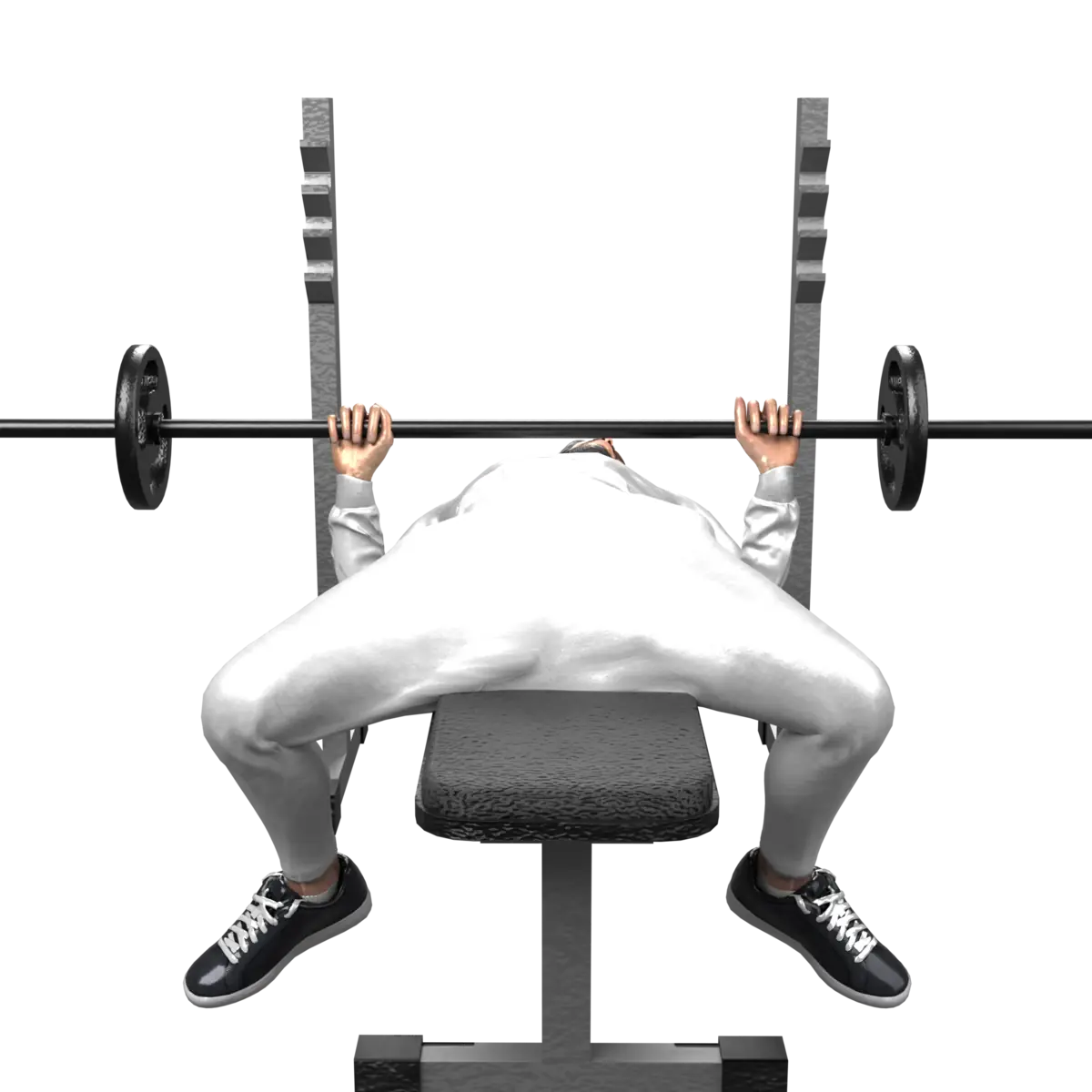
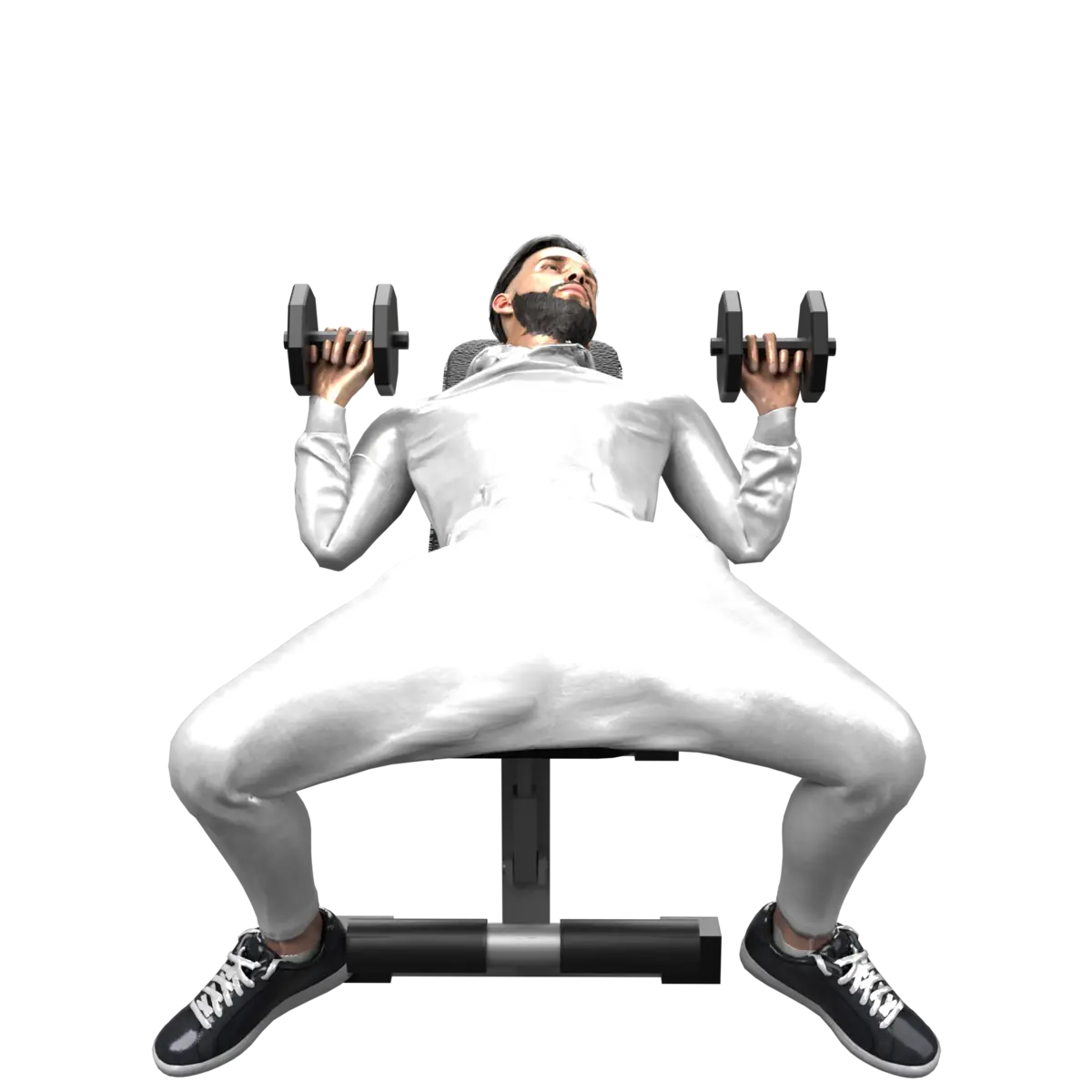
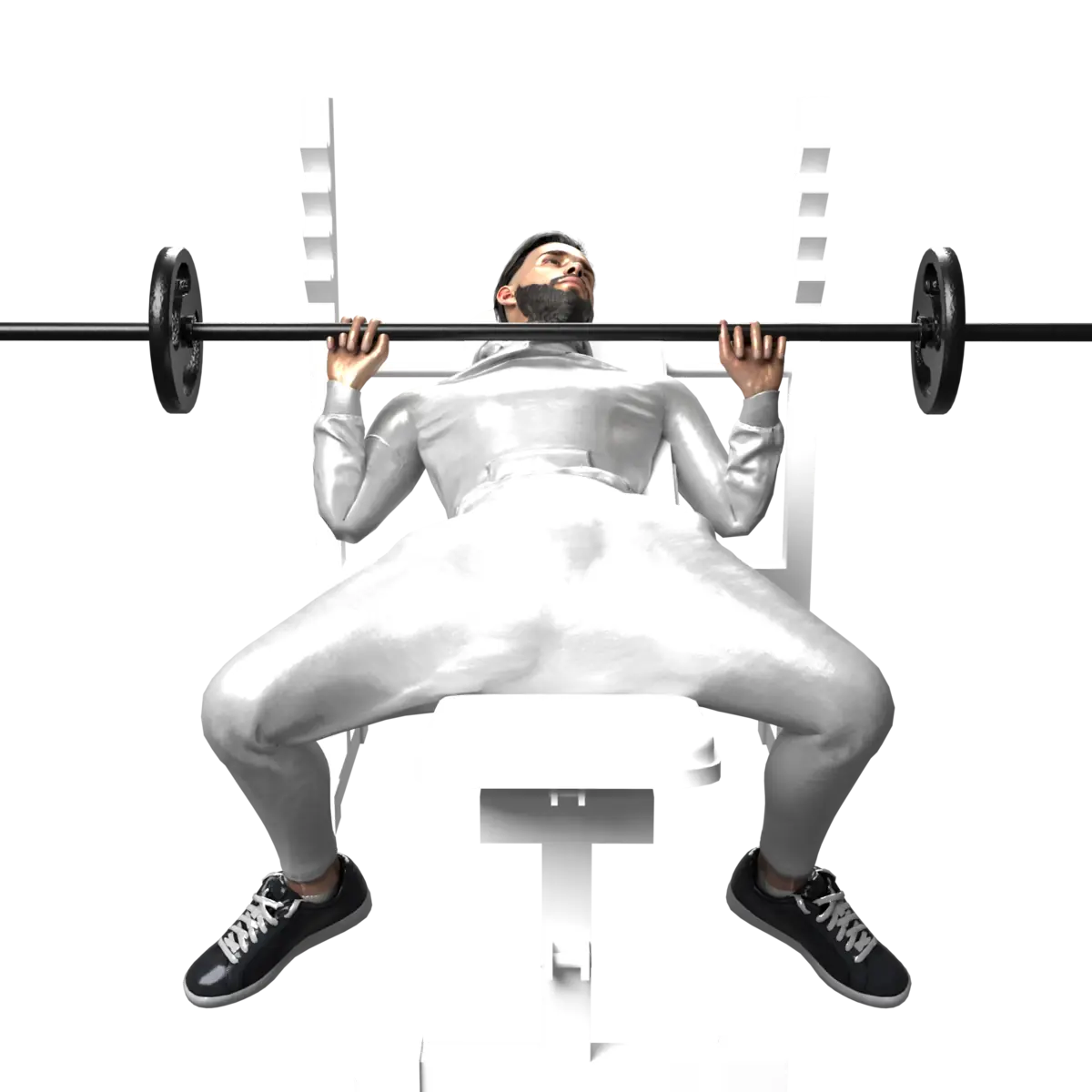
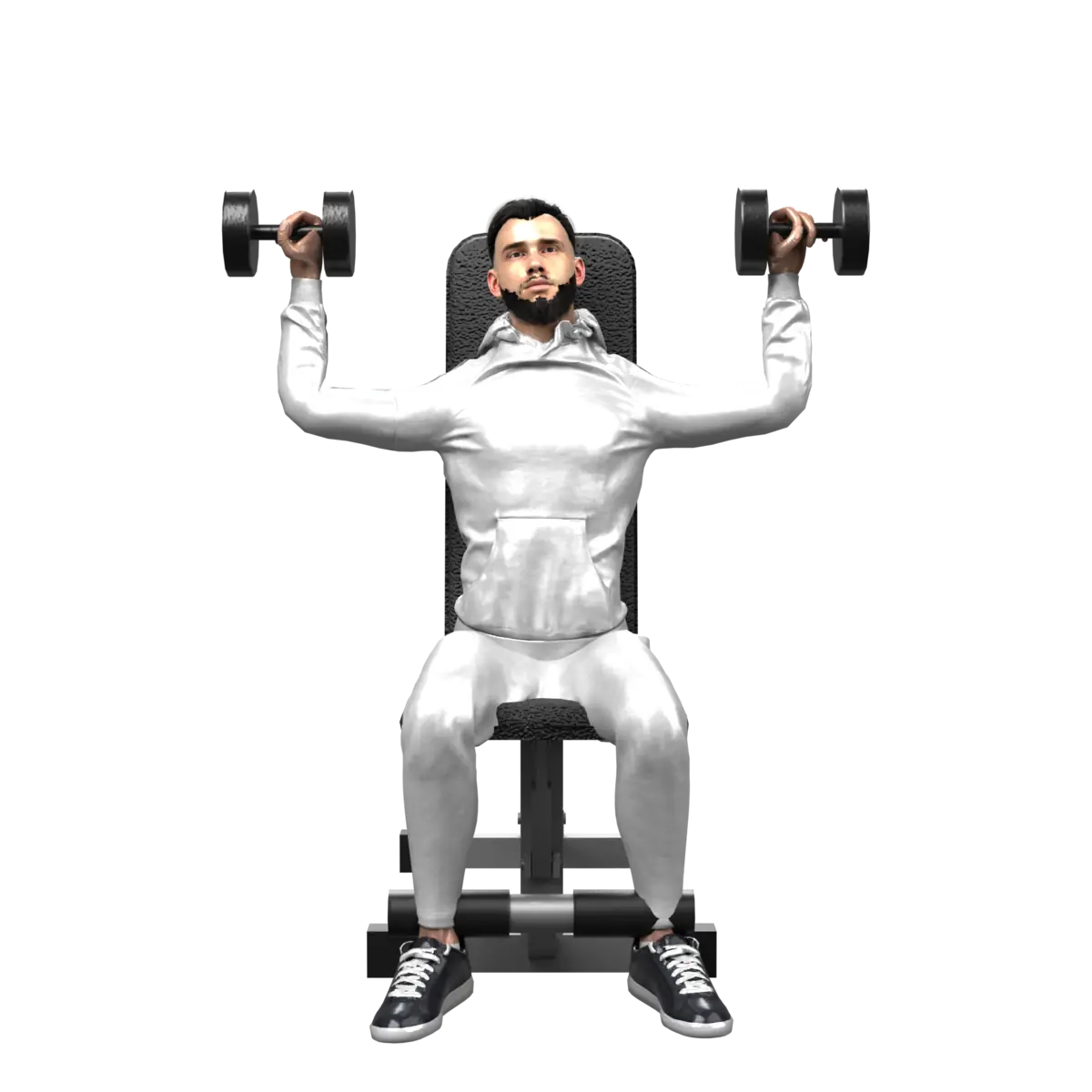
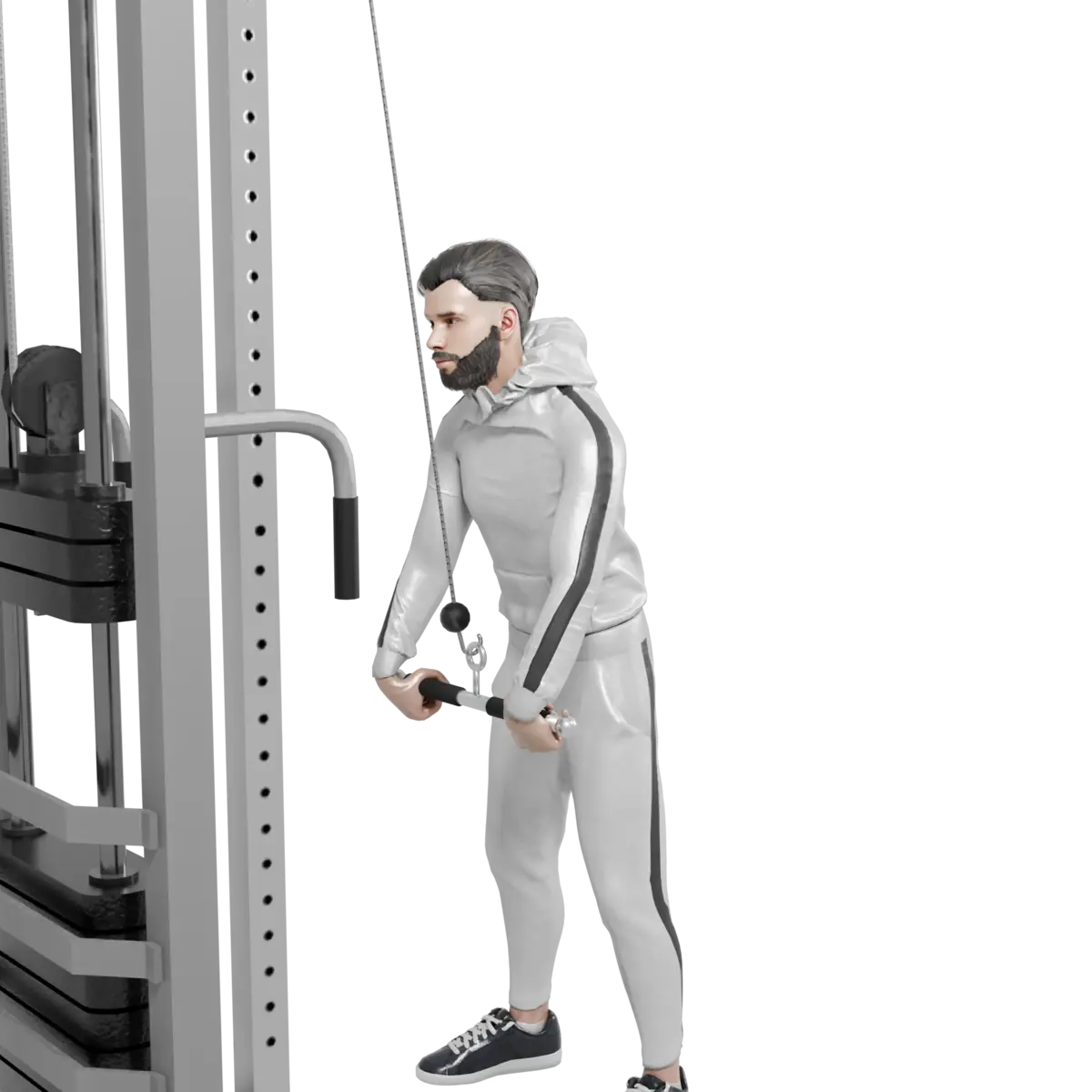
Alternatives: with a barbell, with dumbbells, in the gym
Same muscles, different equipment.
Good to know
Push ups from every angle
You hold a high plank, lower your chest to the floor and press back up, and your body stays in one straight line the whole time. They need no equipment, so you can do push ups at home, in the gym or on the road. Below you will find how to do a push up step by step, the muscles worked, easier and harder versions, and the mistakes that turn a push up into a sloppy half rep.
Muscles worked
Push ups mainly work the pectoralis major, the big chest muscle, both its upper and lower part. The triceps straighten the elbows at the top of every rep. The front delts help press the body up. Your core, from the abs to the glutes, holds the straight line, so push ups also train your trunk more than a bench press does.
Sets and reps, from your first push up to 30 in a row
For chest and triceps growth, do 3 to 4 sets with 1 or 2 good reps left, two or three times a week. Count your reps and try to add one rep per set each week. Once you can do 20 clean reps in a set, make the move harder instead of adding more reps. Cannot do a full push up yet? Start with incline push ups, hands on a bench, a table or a wall. Lower the surface every week until you reach the floor. Knee push ups also work, as long as the body stays straight from head to knees.
Push up variations: easier and harder
Incline push ups, with your hands raised, are the easiest version. Knee push ups are next. Regular push ups from the floor are the standard. Decline push ups, with your feet on a bench, put more work on the upper chest and shoulders. Diamond push ups, with your hands close together, hit the triceps harder. To keep progressing on the floor, add a pause at the bottom, slow the lowering to 3 seconds, or wear a backpack with a few books or a plate inside.
Push ups vs bench press
Both press with the chest, triceps and front delts. The bench press lets you add weight in small steps for years, so it is the better strength builder. Push ups need nothing, train the core at the same time and are easier on the shoulders for many people. If you train in a gym, use the bench press as your main lift and finish with push ups. At home, push ups can be your main chest exercise for a long time, if you keep making them harder.
Alternatives: with a barbell, with dumbbells, in the gym
In the gym, the bench press and the incline dumbbell press train the same muscles with more weight. If your wrists do not like the floor, do push ups on your fists or on push up handles, or use the dumbbell press on a bench. The moves below cover the chest, front delts and triceps from other angles.
Plans and home workouts with push ups
Push ups open Day 1, Day 2 and Day 3 of Dumbbell Home Essentials, the 3 day home plan with one pair of dumbbells. The app sets your rep target from your own max, so every set counts. They are also the second move in the no equipment home workout and the dumbbell full body workout. Log every set in GymDroid. On iPhone and Android.
Full Body Foundation · Curves & Confidence · Dumbbell Home Essentials
What muscles do push ups work?
Mostly the chest. The triceps and front delts help you press up, and the core holds your body straight. With the elbows tucked, the chest does most of the work.
How many push ups should I do a day?
You do not need them every day. Two or three sessions a week with 3 to 4 sets close to failure build more than a few easy reps daily. Rest at least one day between hard sessions.
Are push ups enough to build a chest?
For beginners, yes. Once you can do 20 clean reps in a row, make them harder: raise your feet, slow the reps or add a backpack. Pair them with a dumbbell press when you have one.
How do I do my first full push up?
Start with your hands on a wall or a table. Lower the surface every week until you reach the floor. Keep your body straight at every height.
Are knee push ups bad?
No. They are a good step toward full push ups. Keep the body straight from head to knees and lower your chest to the floor, the same as the full version.
Why do my wrists hurt during push ups?
Usually the wrists are bent too far or the hands are too far forward. Turn your fingers out a little, set the wrists under the shoulders, or do push ups on your fists or on handles. If the pain stays, stop and see a professional.

Plans and home workouts with push ups
Push ups open Day 1, Day 2 and Day 3 of Dumbbell Home Essentials, the 3 day home plan with one pair of dumbbells.


Updated