 GymDroid
The bench press from every angle
How to Bench Press With Proper Form
The barbell bench press is the main pressing lift for the chest.
- Works
- Pectoralis major
- Also works
- Front deltoids, Triceps
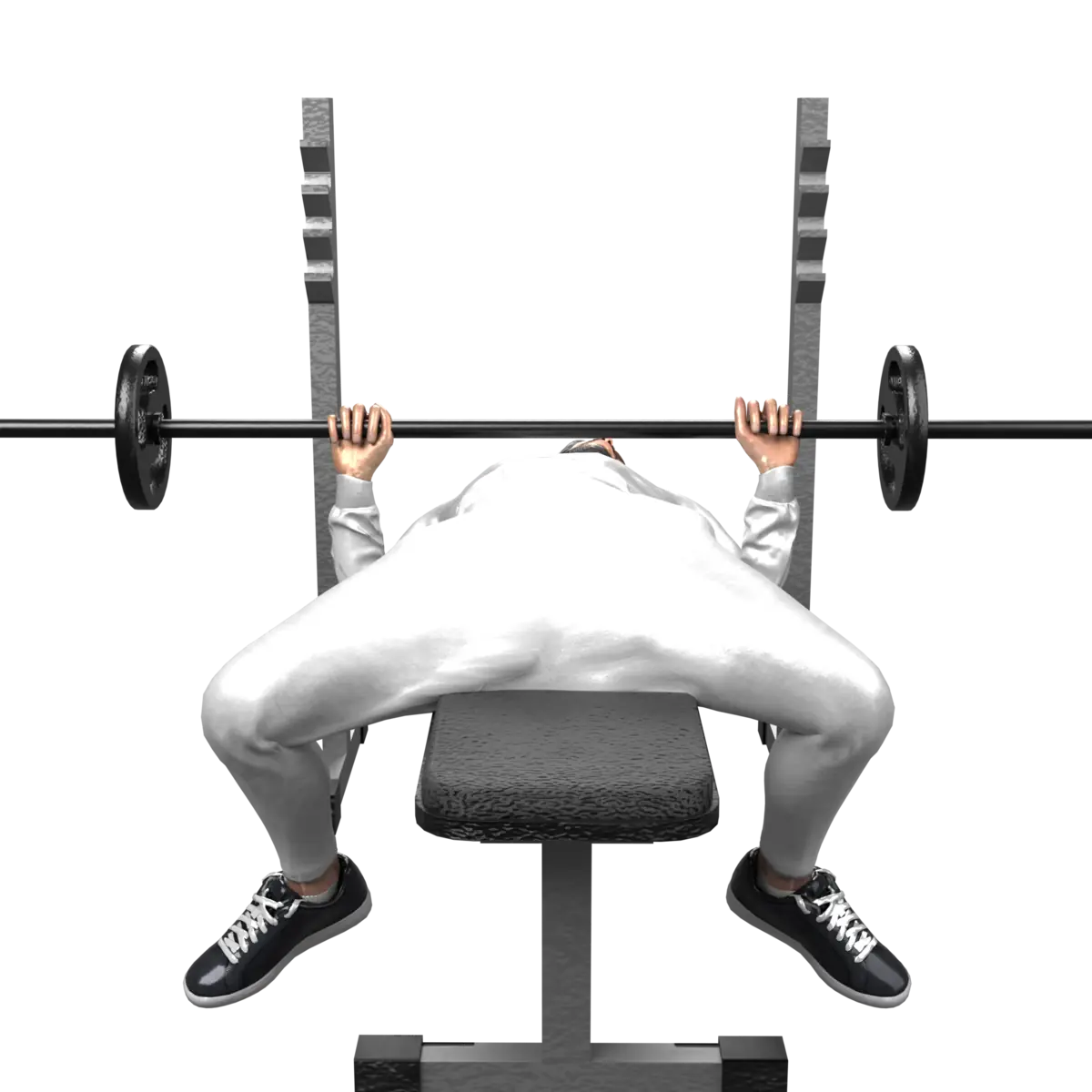
Step by step: grip, arch, bar path, leg drive
- Lie on the bench with your eyes directly under the bar.
- Grip: hands a bit wider than shoulder width, so your forearms are vertical when the bar touches your chest. Wrap your thumbs around the bar and keep it low in your palm, over your forearm.
- Set your shoulder blades: pull them back and down into the bench, as if you were tucking them into your back pockets.
- Arch: lift your chest toward the ceiling to make a natural arch in your upper back. Your butt and upper back stay on the bench.
- Plant your feet flat on the floor, a little behind your knees, and press them into the ground.
- Lift the bar off the rack with straight arms and move it over your shoulders. Take a breath and brace.
- Bar path: lower the bar with control to your lower chest, around nipple level, with your elbows tucked roughly 45 to 70 degrees from your body.
- Touch your chest without bouncing, then press up and slightly back, so the bar finishes over your shoulders.
- Leg drive: push your feet into the floor as you press, without lifting your hips. Lock out, breathe, and repeat.
Common bench press mistakes
- Elbows flared out to the sides. Tuck them to roughly 45 to 70 degrees so the bar lands lower on your chest. This is easier on the shoulders.
- Bouncing the bar off the chest. Touch and press. A short pause on the chest now and then keeps your reps honest.
- Hips lifting off the bench. Drive your feet into the floor, not up toward the ceiling. If your hips still rise, the weight is too heavy.
- Loose shoulder blades. Set them back and down before you lift the bar off the rack and keep them pinned for the whole set.
- Wrists bent back. Hold the bar low in the palm, right over the forearm bones, with your knuckles pointing up.
- Benching heavy alone with no safeties. Use a spotter, or set the rack safety arms just below your chest height before the first set.
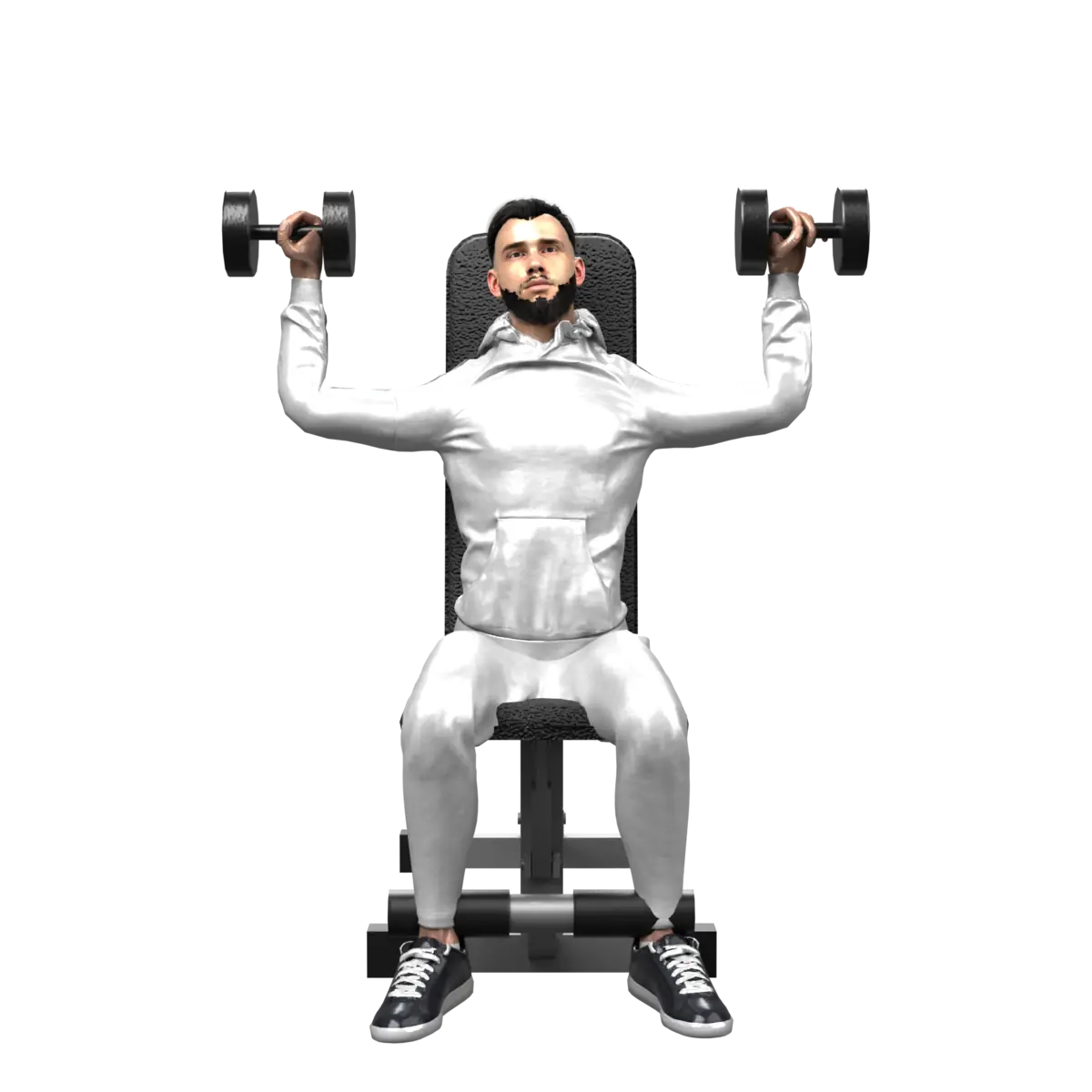
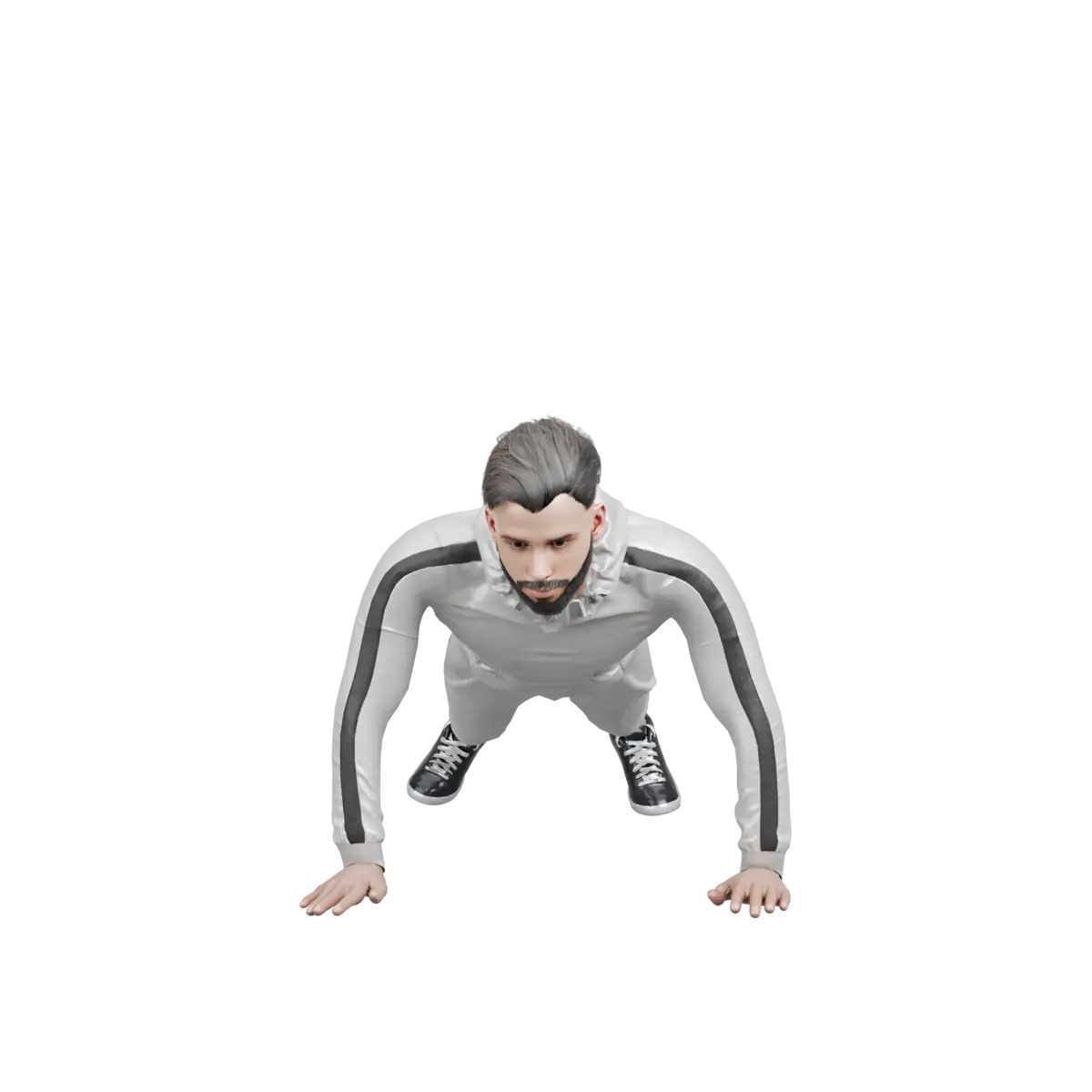
Incline, flat and dumbbell bench press
Same muscles, different equipment.
Good to know
The bench press from every angle
You lie on a flat bench, lower the bar to your chest and press it back up to straight arms. It builds the chest, front shoulders and triceps, and it is the lift most people use to measure upper body strength. Good bench press form is more than pushing: your grip, shoulder blades, feet and bar path all decide how much you lift and how your shoulders feel. Below you will find each piece step by step, the mistakes to avoid and how much you should be able to bench.
Muscles worked
The bench press mainly works the pectoralis major, the large muscle across your chest. The front deltoids help push the bar up from the chest, and the triceps take over to lock your arms out. Your upper back and lats hold the shoulder blades in place, so a strong back makes for a stronger bench.
How much should you bench?
It depends on your body weight, age, height and how long you have trained, so treat these as rough guides for a one rep max, not targets. A man in his first months of training often benches around half to three quarters of his body weight. After a year or two of steady training, many men bench about their body weight, so an 80 kg man pressing 80 kg is a solid result. For women, starting around a third of body weight is common, and many reach two thirds of body weight with steady training. You do not need to test a true max to know where you stand: a set of 5 reps tells you most of what you need. Compare yourself to your own numbers from last month, not to someone else's.
Incline, flat and dumbbell bench press
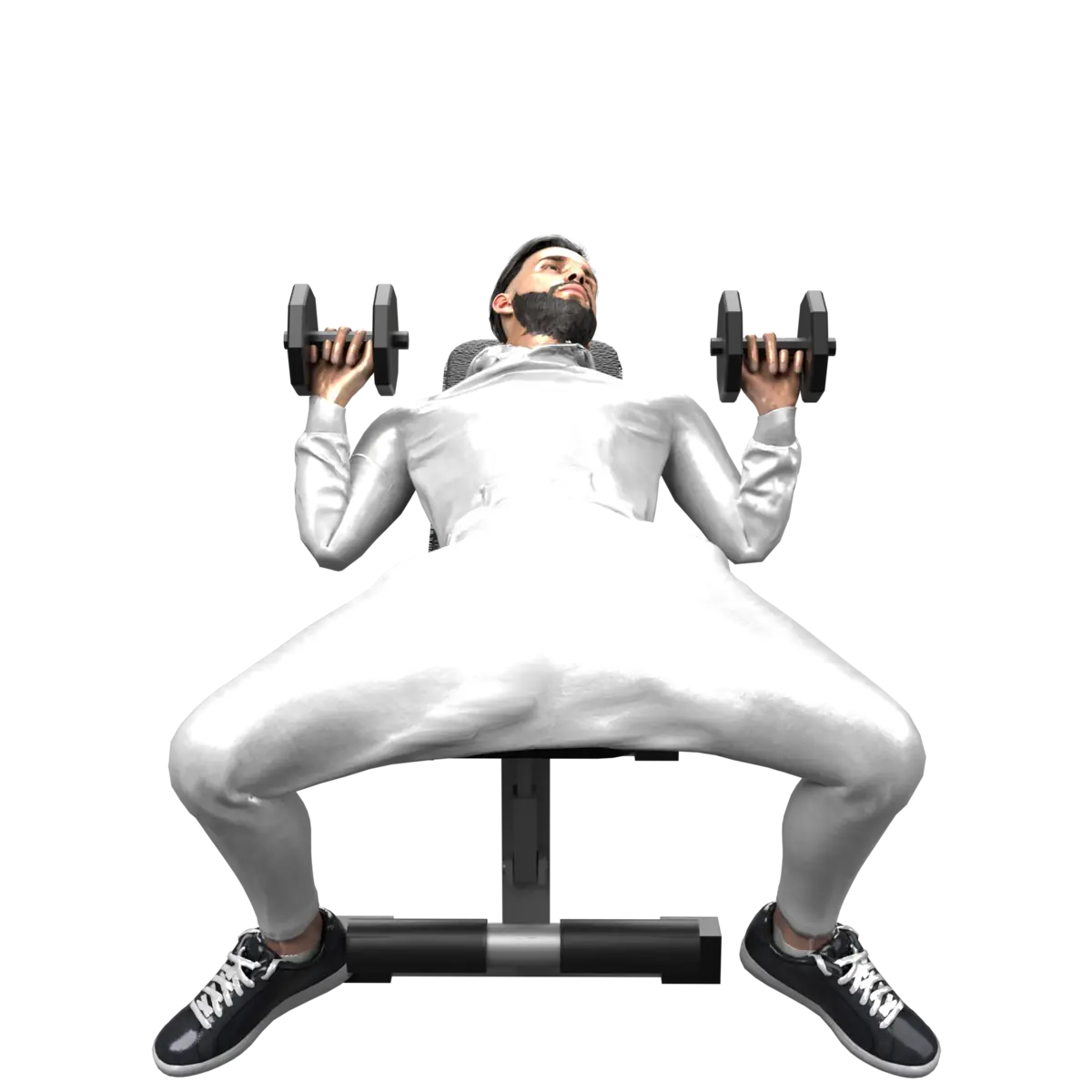
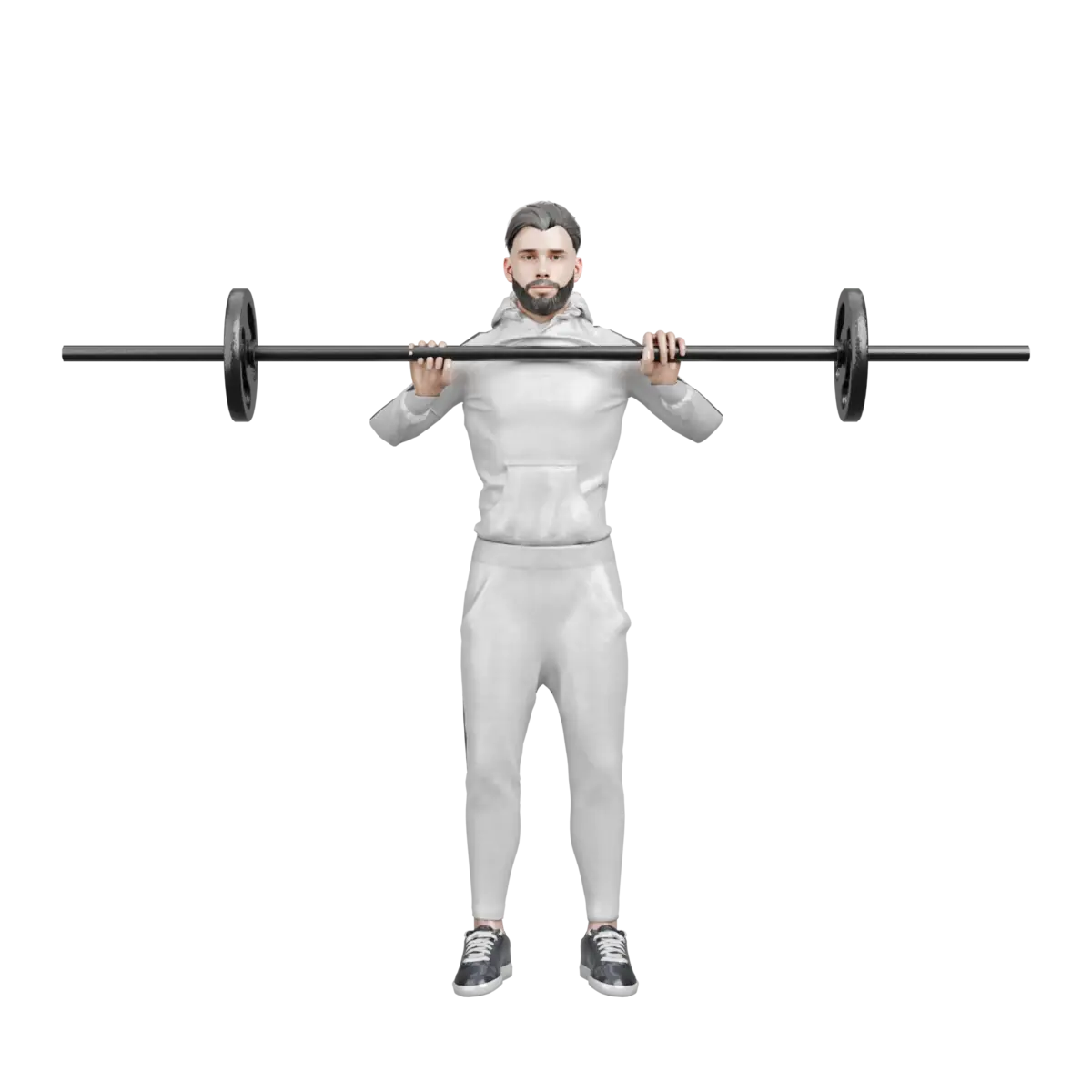
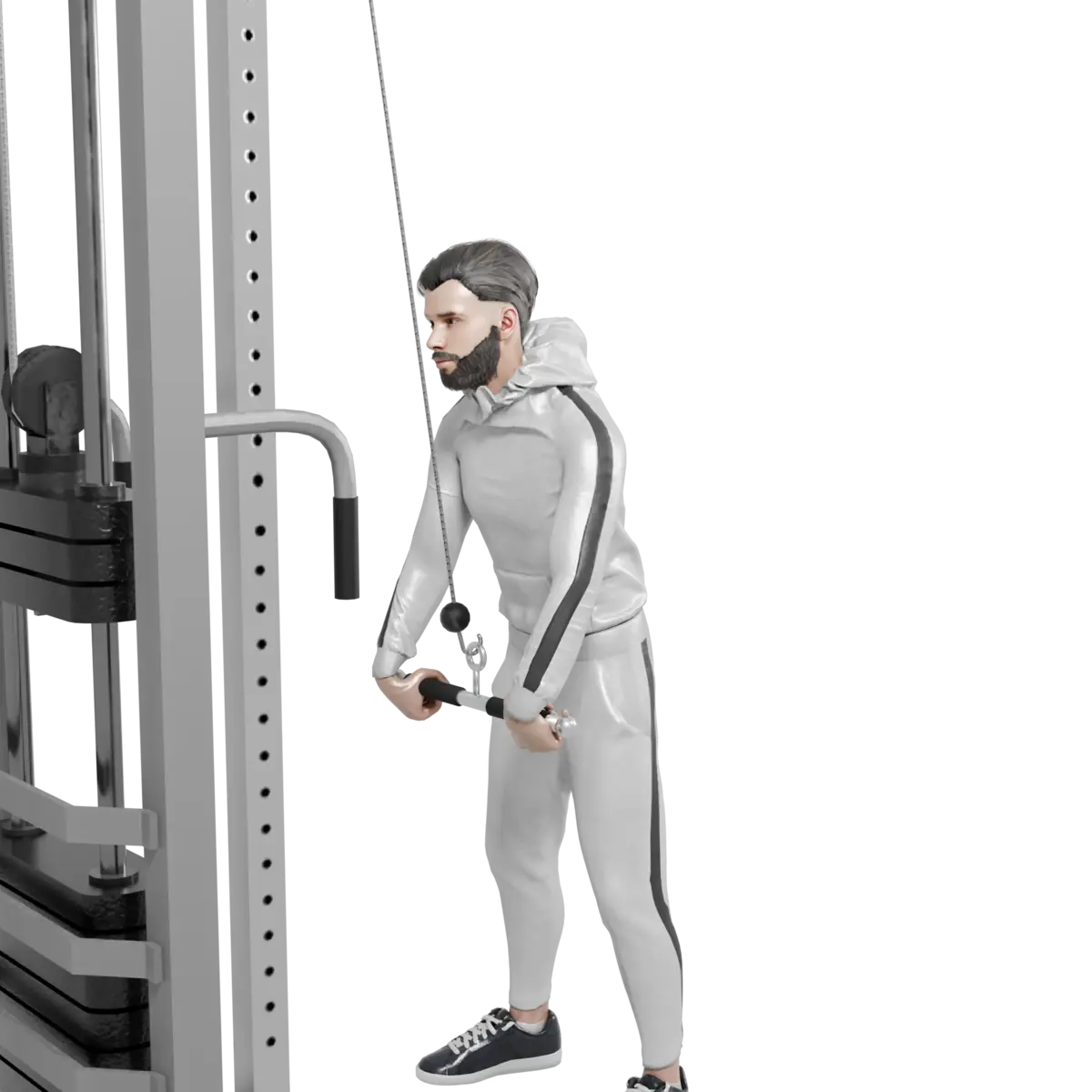
The flat barbell bench lets you lift the most and works the whole chest. The incline bench, set at 30 to 45 degrees, puts more work on the upper chest and front shoulders, so you will lift less. Dumbbells let each arm move on its own, give a deeper stretch at the bottom and let your wrists turn to a comfortable angle. They are also the easiest option at home. Many plans use the flat barbell bench as the main lift and an incline or dumbbell press after it. Dips and push ups train the same muscles with body weight.
Plans with the bench press
The bench press is the first lift on Day A of Full Body Foundation, a 3 day gym plan, and a swap for the dumbbell chest press on Day B. Log every set and the plan sets your next weight. On iPhone and Android.
Full Body Foundation · Curves & Confidence · Dumbbell Home Essentials
What is a good bench press for my weight?
For a man, benching your body weight for one rep is a good mark after a year or two of training. For a woman, about two thirds of body weight is a strong result. Beginners start well below that, and that is fine.
How much should I be able to bench?
There is no single number. Start with a weight you can press for 8 to 10 clean reps, add 1 to 2.5 kg when every set feels solid, and judge yourself by how your numbers move month to month.
What muscles does the bench press work?
Mainly the chest. The front shoulders and triceps help press the bar, and the upper back and lats keep your shoulders stable.
Incline vs flat vs dumbbell bench press: which is better?
None is best for everything. Flat barbell builds the most overall pressing strength, incline puts more work on the upper chest, and dumbbells give a longer range and are easier on many shoulders. Most good plans use two of them.
Should you arch your back on bench press?
A moderate arch in the upper back is normal. It keeps your shoulder blades set and gives the shoulders a safer position. Keep your butt on the bench. If arching hurts your lower back, flatten out and see a professional if the pain stays.
How many sets and reps for bench press?
For strength, 3 to 5 sets of 3 to 6 reps. For a bigger chest, 3 to 4 sets of 6 to 12 reps. Rest 2 to 3 minutes between heavy sets.

Plans with the bench press
The bench press is the first lift on Day A of Full Body Foundation, a 3 day gym plan, and a swap for the dumbbell chest press on Day B.


Updated