GymDroid
How Much Protein to Build Muscle: The Per Kg Answer
Aim for 1.6 to 2.2 g of protein per kg of body weight a day, spread over 3 to 5 meals.

How much protein to build muscle? The answer from sports science is clear: 1.6 to 2.2 g of protein per kg of body weight a day. A 70 kg lifter needs about 110 to 155 g. A 90 kg lifter needs about 145 to 200 g. Spread it over 3 to 5 meals, train hard, and you have the nutrition side covered.
This guide gives you your daily number, shows how to split it across the day, and explains why protein only works when your training keeps progressing.
The short answer: 1.6 to 2.2 g per kg
Every major review of protein and resistance training lands in the same place. The International Society of Sports Nutrition recommends 1.4 to 2.0 g per kg a day for people who train. A large 2018 meta analysis found that muscle gains stop improving above about 1.6 g per kg, with the upper end of the confidence range near 2.2 g per kg.
So 1.6 g per kg is the floor where almost everyone gets the full effect. The range up to 2.2 g per kg is a safety margin for hard training, a calorie deficit or an older body.
Three points to keep in mind:
- The number is per kg of body weight, not per kg of muscle.
- It is a daily total. One high protein meal does not fix a low day.
- It is the same for men and women. Women do not need a different ratio.
If you are very overweight, use your goal weight instead of your current weight. Otherwise the number gets inflated by body fat that does not need protein.
Your daily protein target by body weight
Here is the range worked out for common body weights. Pick your row and aim for the middle on normal days, the top on cutting days.
| Body weight | 1.6 g per kg | 2.0 g per kg | 2.2 g per kg |
|---|---|---|---|
| 55 kg | 88 g | 110 g | 121 g |
| 65 kg | 104 g | 130 g | 143 g |
| 75 kg | 120 g | 150 g | 165 g |
| 85 kg | 136 g | 170 g | 187 g |
| 95 kg | 152 g | 190 g | 209 g |
You do not need a protein calculator for muscle gain. Multiply your weight in kg by 1.6, then by 2.2, and you have your range.
Hitting the number most days is what counts. A day at 1.4 g per kg and a day at 2.0 g per kg average out fine over a week.
How much protein per meal
Your body builds muscle in waves after each protein meal. A meal with 0.4 g of protein per kg of body weight pushes that wave close to its maximum. For most people that is 25 to 40 g per meal.
Bigger meals are not wasted. The protein still gets used, just more slowly. But the research favours spreading it out:
- Three to five meals with 25 to 40 g each.
- Three to five hours between protein meals.
- One of those meals within a few hours before or after training.
- A protein rich meal before sleep, for example dairy, helps overnight recovery.
A 75 kg lifter aiming for 150 g could eat 35 g at breakfast, 40 g at lunch, 35 g after training and 40 g at dinner. Breakfast is where most people fall short, so fix that meal first.
Where the protein comes from
Count the protein in real food, not in the name of the dish. These approximate amounts help you plan:
- 100 g chicken breast or lean beef, cooked: about 30 g.
- 100 g salmon or tuna: 20 to 25 g.
- 2 large eggs: about 13 g.
- 200 g skyr or Greek yogurt: 17 to 20 g.
- 250 g cottage cheese: about 28 g.
- 100 g tofu or tempeh: 10 to 19 g.
- 150 g cooked lentils or beans: 12 to 14 g.
- 1 scoop of protein powder: 20 to 25 g.
Animal sources give the full set of amino acids in one food. Plant based lifters reach the same results by eating a little more total protein and mixing sources, for example lentils with rice or tofu with grains. Soy, pea and mixed plant proteins all work.
Protein powder is a tool, not a requirement. It makes a 30 g dose easy after a workout or at a desk. If your meals already add up, you do not need it.
Protein only works with training that progresses
Protein gives your body the building material. Training gives it the signal to build. Without that signal, extra protein is just extra food.
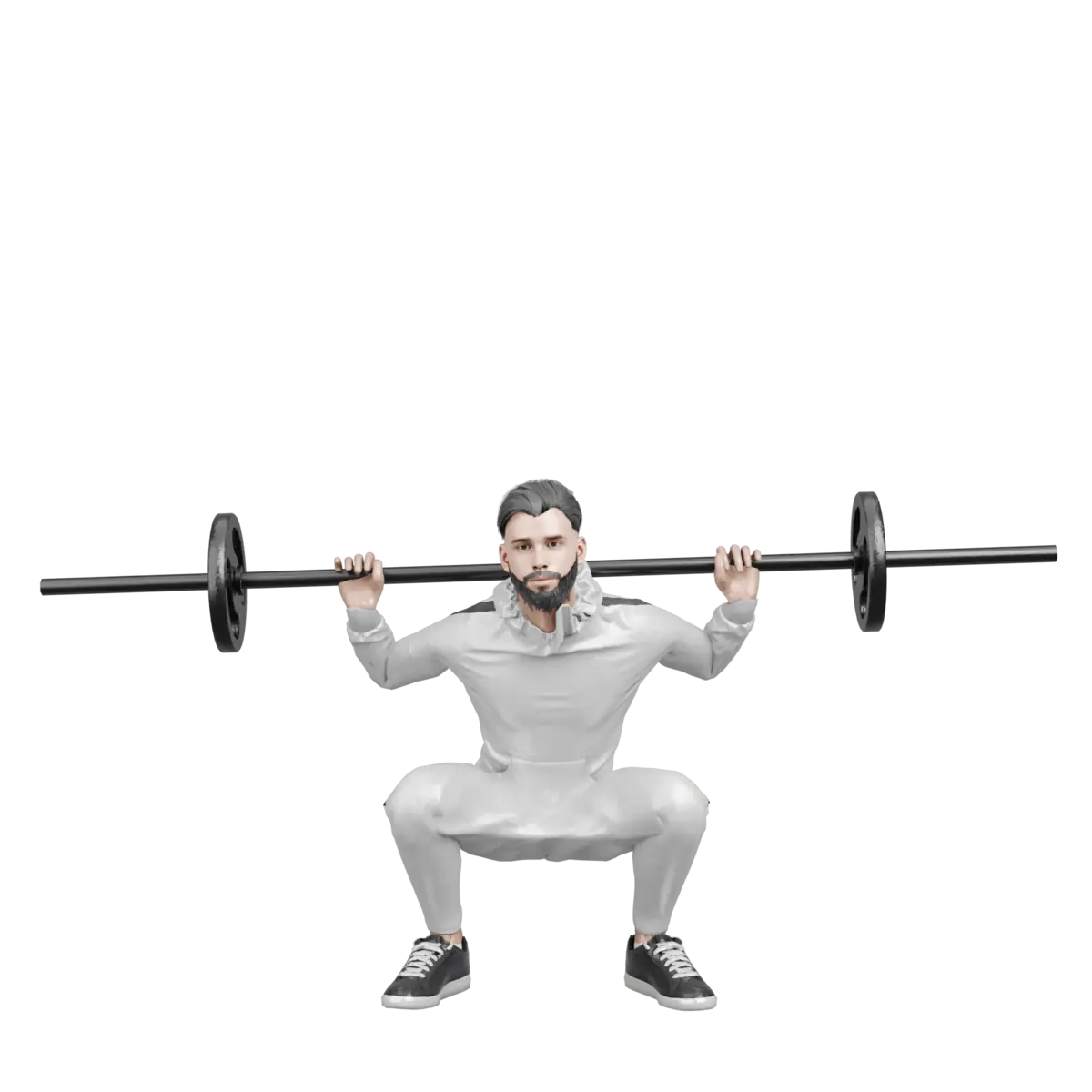
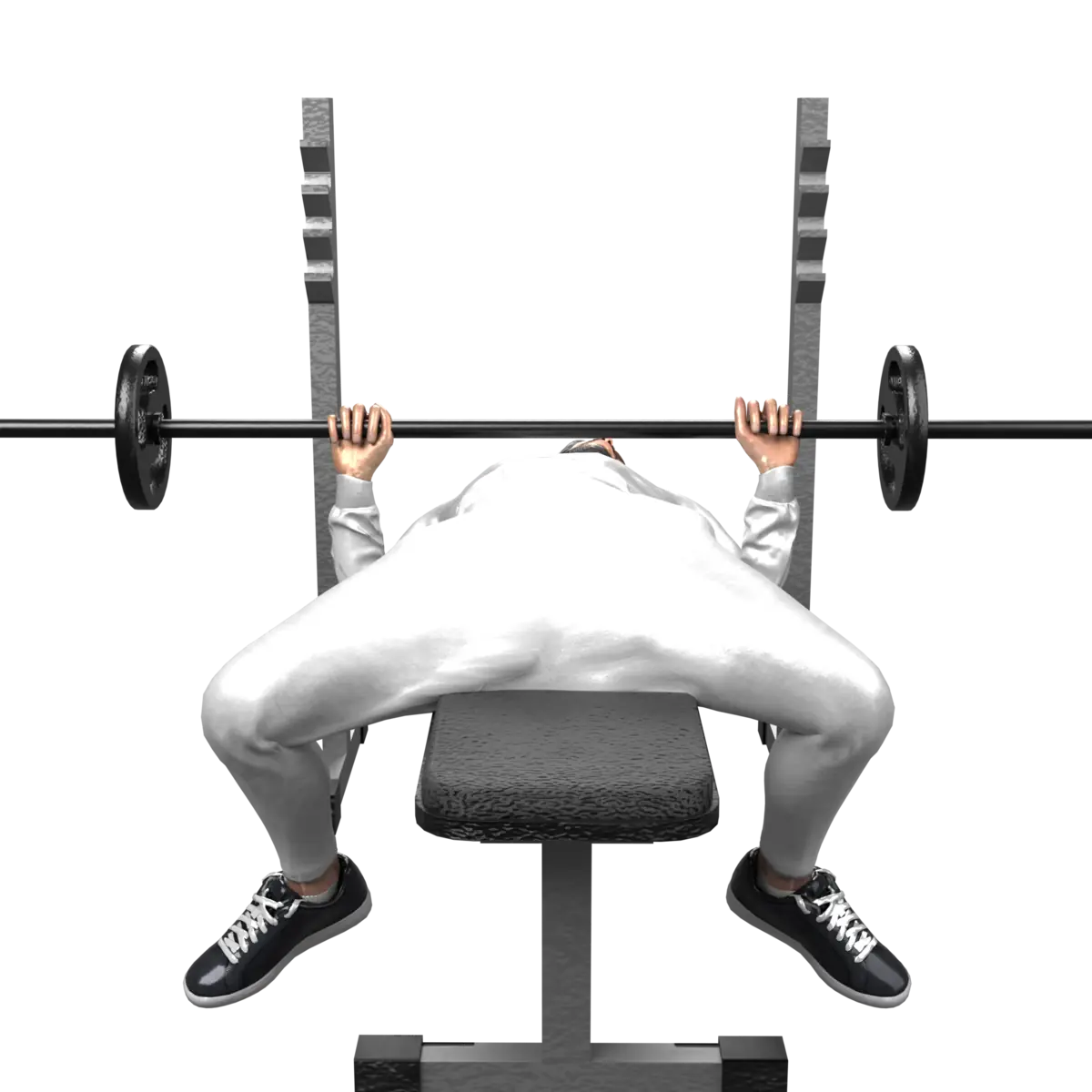
The signal comes from lifting a bit more over time: more weight, more reps or more sets. Big compound lifts like the squat and the bench press are the most efficient way to send it, because they load a lot of muscle at once.
A simple way to make sure you progress:
- Follow a plan with fixed exercises and a rep range, like Full Body Foundation, 3 days a week.
- Log every set, weight and rep count. In the GymDroid app the previous session sits next to the new one, so you always know what to beat.
- When you hit the top of the rep range on every set, add 2.5 kg or one rep next time.
- Sleep 7 to 9 hours. Muscle is built between sessions, not during them.
No gym? The same rule holds at home. A full body dumbbell workout with heavier dumbbells or more reps each week still sends the signal.
Adjust the number to your situation
The range covers most lifters, but a few situations move you within it.
Cutting and keeping muscle
In a calorie deficit protein matters more, not less. Go to 2.0 to 2.4 g per kg of body weight. It keeps you fuller, costs more energy to digest and protects the muscle you have built.
Bulking
In a calorie surplus 1.6 to 1.8 g per kg is enough. More protein does not build more muscle, more calories and more training do. Spend the extra calories on carbs that fuel your sessions.
Lifters over 40
Older muscle responds a little less to each meal. Aim for the top of the range and for 35 to 40 g per meal, rather than 25 g. Keep the leucine rich sources, like dairy, eggs and meat, in every meal.
Beginners
New lifters build muscle fastest and can use 2.0 g per kg well. If the number feels like a lot, build up over two or three weeks by adding one protein source per meal.
If you are pregnant, have kidney disease or another medical condition, ask a doctor before changing your protein intake.
Common mistakes
Most people who struggle to build muscle make one of these errors.
- Guessing instead of counting. Track your food for one normal week. Most people land near 1.0 g per kg without trying, well below the target.
- Loading everything at dinner. A 20 g breakfast and a 90 g dinner is the same total as 4 meals of 30 g, but builds less muscle.
- Chasing protein and ignoring calories. To gain muscle you need a small surplus, about 200 to 300 kcal a day. Protein alone with too few calories stalls progress.
- Training without a log. If you do not know what you lifted last week, you cannot beat it. The best diet cannot replace that.
- Buying supplements before fixing meals. Two eggs more at breakfast and yogurt in the afternoon solve most protein gaps.
A simple day for a 75 kg lifter
Here is what 150 g of protein looks like in normal food:
- Breakfast: 3 eggs, 2 slices of wholegrain bread, 200 g skyr. About 40 g.
- Lunch: 150 g chicken breast, rice, vegetables. About 45 g.
- After training: a shake with milk or 250 g cottage cheese. About 30 g.
- Dinner: 120 g salmon, potatoes, salad. About 30 g.
Total about 145 g, in the middle of the range, in four meals. Swap the chicken for tofu and lentils and the plan still works with a little larger portions.
Set your target today, eat for it most days and keep your training moving forward. In a few months the log in the app shows the result: heavier sets on the same lifts, and a body that looks like it trains.