 GymDroid
Pull up from every angle
How to Do a Pull Up With Proper Form
The pull up is the classic body weight back exercise.
- Works
- Latissimus dorsi
- Also works
- Biceps, Lower trapezius, Rhomboids, Rear deltoids, Forearms, Core
How to do a pull up, step by step
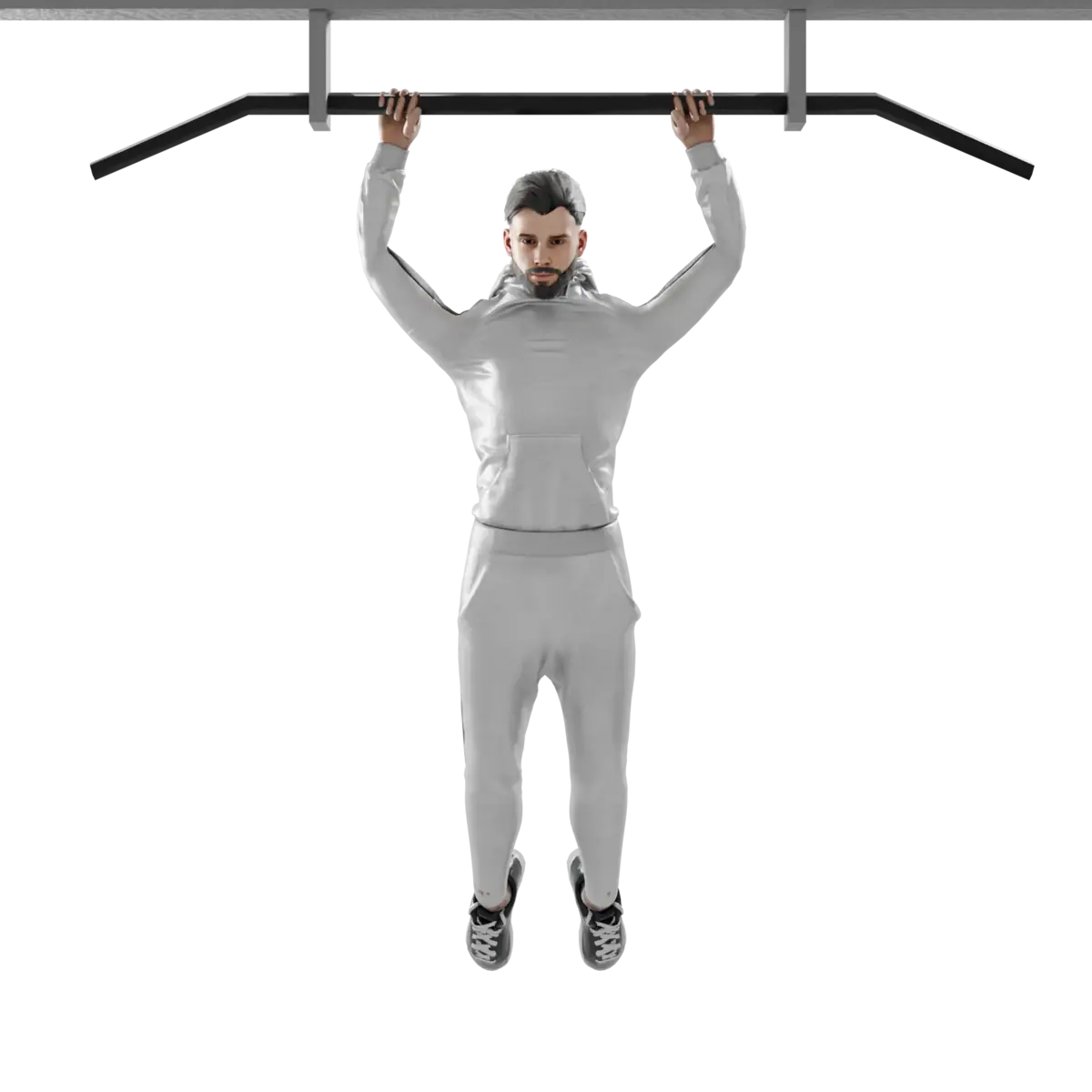
- Grab the bar with your palms facing away, hands a little wider than shoulder width.
- Hang with straight arms. Squeeze your glutes and keep your legs together and slightly forward to stop swinging.
- Pull your shoulders down away from your ears before you bend your arms.
- Drive your elbows down toward your ribs and pull your chest toward the bar.
- Keep pulling until your chin is over the bar. Do not stretch your neck to get there.
- Lower yourself with control until your arms are straight again. Repeat.
Common pull up mistakes
- Half reps. Start every rep from straight arms and finish with your chin over the bar.
- Kicking and swinging. Brace your core and glutes. Strict reps build more strength than the same number of swung reps.
- Reaching with the chin. Pull your chest up to the bar instead of pushing your chin forward.
- Shoulders up by the ears. Keep them down and back, from the first pull to the top.
- Dropping on the way down. Take 2 to 3 seconds to lower. That half of the rep builds strength too.
Alternatives: no bar, assisted, at the gym
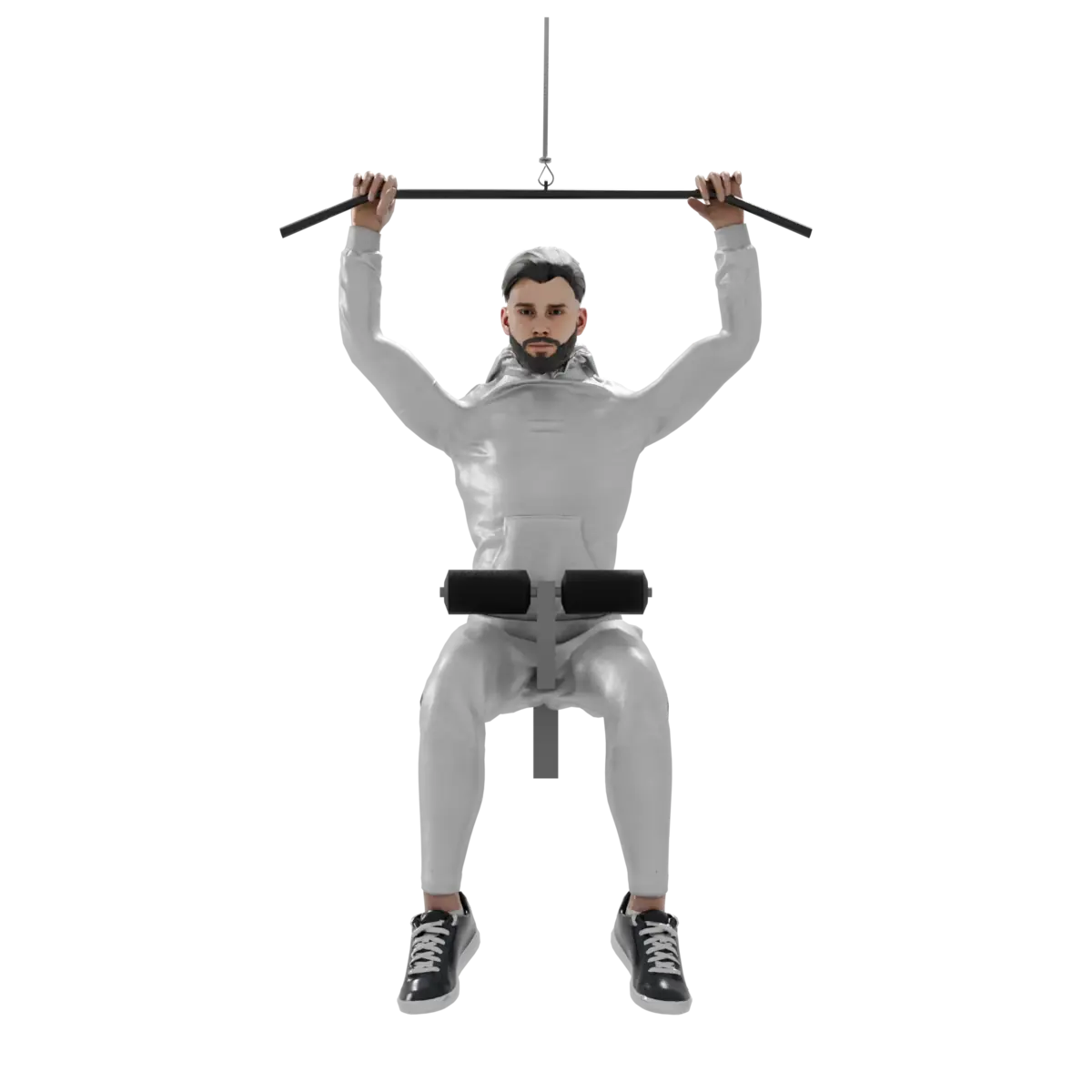
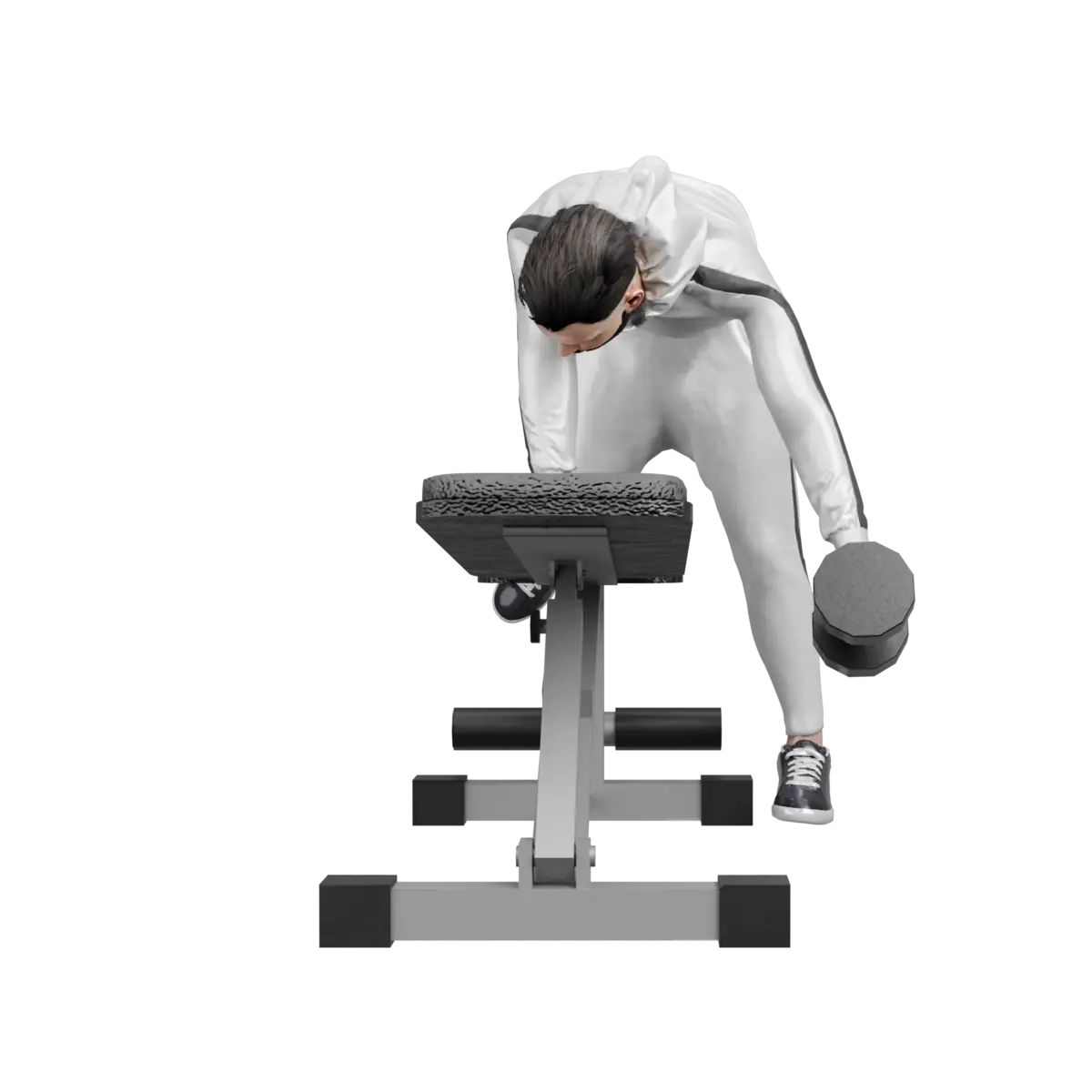
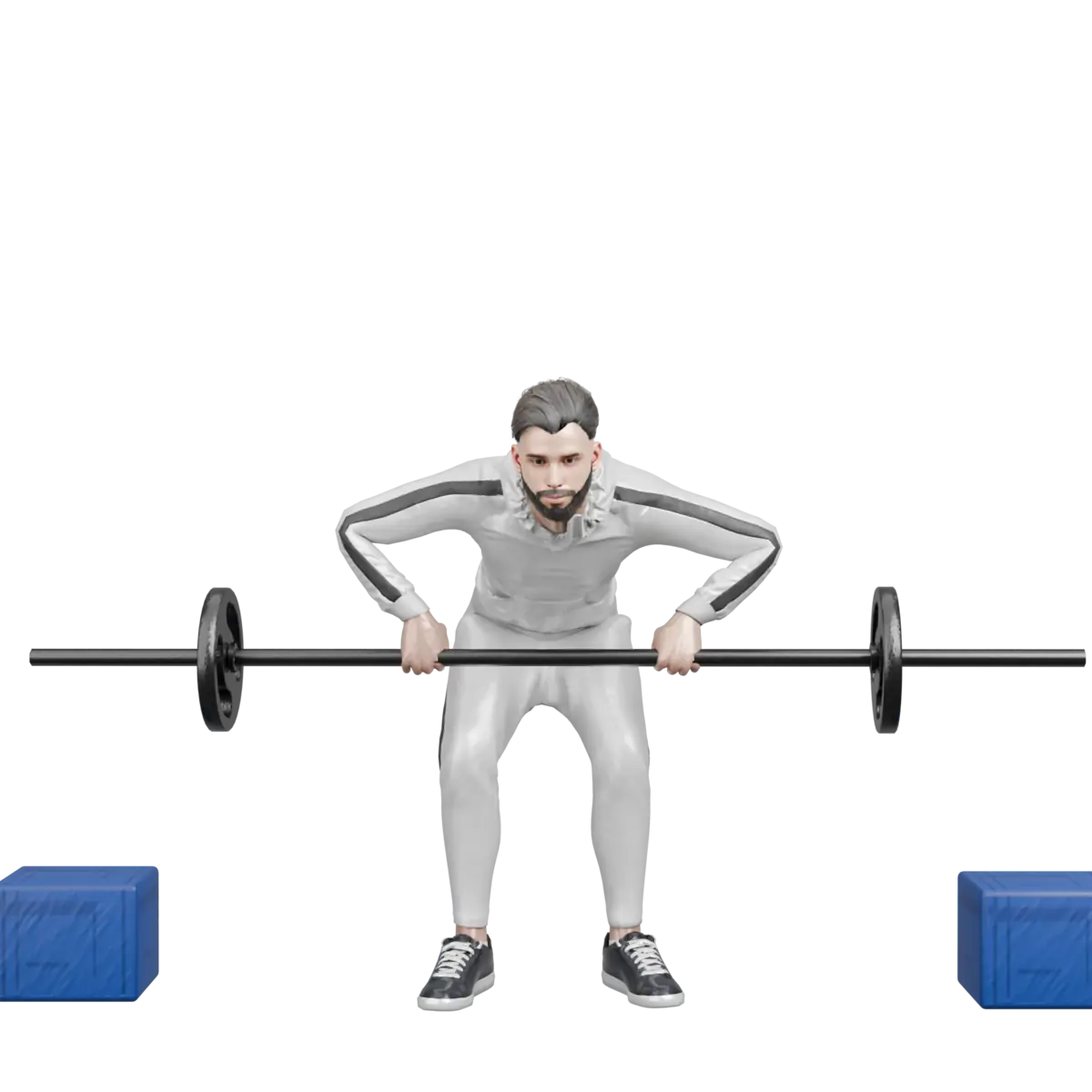
Same muscles, different equipment.
Good to know
Pull up from every angle
You hang from a bar with an overhand grip and pull until your chin clears it. It builds the lats, the upper back and the biceps, and it is a simple test of strength for your size. Below is how to do a pull up step by step, the mistakes that cost you reps, how pull ups compare to chin ups and a simple way to get your first one.
Muscles worked
The latissimus dorsi do most of the work, pulling your elbows down to your sides. The lower traps and rhomboids hold your shoulder blades down and back. The biceps and forearms bend your elbows and keep your grip, and your core stops your body from swinging.
Sets and reps, and how to get your first pull up
If you can do 5 or more, do 3 to 4 sets and stop each one with 1 or 2 reps left. Aim to add a rep or two each week. Once you can do 3 sets of 10, add weight with a dip belt or a dumbbell held between your feet. Cannot do one yet? Start with slow negatives: jump or step up so your chin is over the bar, then take 3 to 5 seconds to lower. Do 3 sets of 3 to 5. Add band assisted pull ups or lat pulldowns on the same day. Most people get their first strict rep within a few weeks to a few months.
Pull up vs chin up
The pull up uses an overhand grip, palms away from you. The chin up uses an underhand grip, palms toward you, and usually a slightly narrower one. Chin ups bring in more biceps, so most people can do a few more of them. Pull ups put a bit more of the work on the lats and upper back. Both are great back exercises, and switching between them keeps your training fresh.
Alternatives: no bar, assisted, at the gym
No bar at home? Do inverted rows under a sturdy table, or use a resistance band anchored in a door. At the gym, an assisted pull up machine or a band looped over the bar takes some of your body weight off so you can train full reps.
Plans with the pull up
The pull up is the swap for the cable pulldown on Day B of Full Body Foundation and Curves & Confidence. Log your reps every session and see them go up week by week. On iPhone and Android.
Full Body Foundation · Curves & Confidence · Dumbbell Home Essentials
How many pull ups should I be able to do?
There is no single number. One strict rep is a great first goal, and 5 to 10 strict reps is a solid level for most adults. Your body weight and arm length matter a lot.
What muscles do pull ups work?
Mainly the lats. The biceps, rhomboids, lower traps, rear delts, forearms and core all help.
Why can't I do a pull up?
Usually your pulling strength is not yet high enough for your body weight. Slow negatives, band assisted reps and lat pulldowns two or three times a week close that gap.
Pull ups vs chin ups: which is better?
Neither. Chin ups use more biceps and are a bit easier, pull ups put more focus on the lats and upper back. Do both if you can.
Are pull ups better than lat pulldowns?
Both build the lats. Pull ups also train grip and core and need only a bar. Pulldowns are easier to load in small steps. Use both if you have the machine.
How often should you do pull ups?
Two or three times a week works well, with a rest day between hard sessions.

Plans with the pull up
The pull up is the swap for the cable pulldown on Day B of Full Body Foundation and Curves & Confidence.


Updated