 GymDroid
Barbell row from every angle
Barbell Row: How to Do It Right
The barbell row, or bent over row, builds a thick, strong upper back.
- Works
- Latissimus dorsi, Rhomboids, Middle trapezius
- Also works
- Rear deltoids, Biceps, Spinal erectors, Hamstrings, Forearms
How to do a barbell row, step by step
- Deadlift the bar from the floor, or take it from a rack set at thigh height.
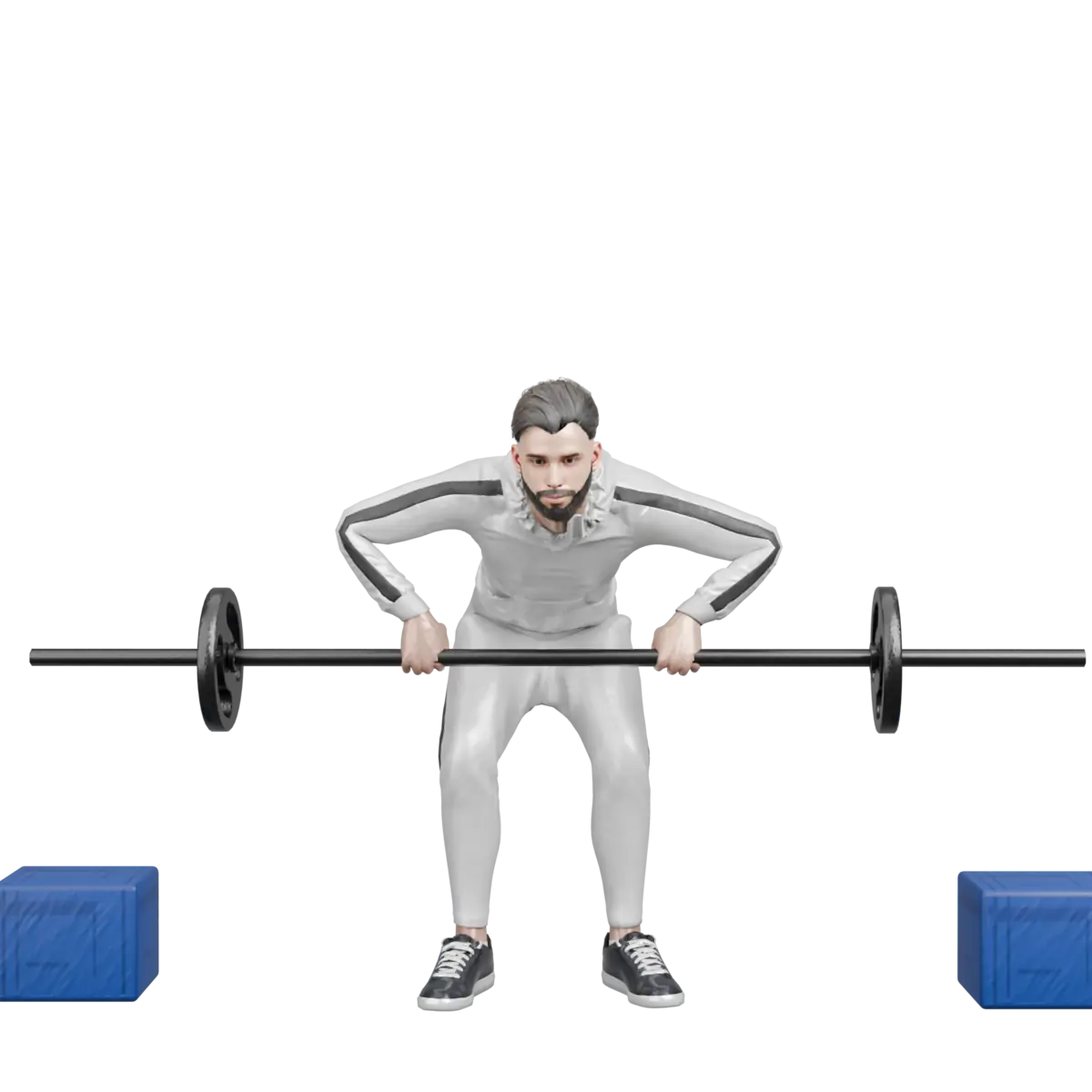
- Stand with your feet hip width apart and grip the bar overhand, a little wider than shoulder width.
- Unlock your knees, push your hips back and lean forward until your torso is between flat and 45 degrees to the floor. Keep your back flat and your neck in line.
- Let the bar hang under your shoulders with straight arms. Brace your stomach.
- Pull the bar to your lower ribs or upper stomach, leading with your elbows. Squeeze your shoulder blades together at the top.
- Lower the bar with control until your arms are straight. Keep the same torso angle on every rep.
Common barbell row mistakes
- Standing up as the set goes on. Keep your torso angle fixed. If you keep rising, the weight is too heavy.
- Swinging the bar with your hips. Pull with your back. A little body movement on the last hard reps is fine, a hip snap on every rep is not.
- Rounding the lower back. Brace before each rep and keep your chest up. Lower the weight if your back rounds.
- Pulling to the chest with elbows flared wide. Pull to your lower ribs with your elbows at about 45 degrees for more lat and mid back work.
- Shrugging the bar up. Pull your shoulders back, not up toward your ears.
Alternatives: one arm, cable, at home
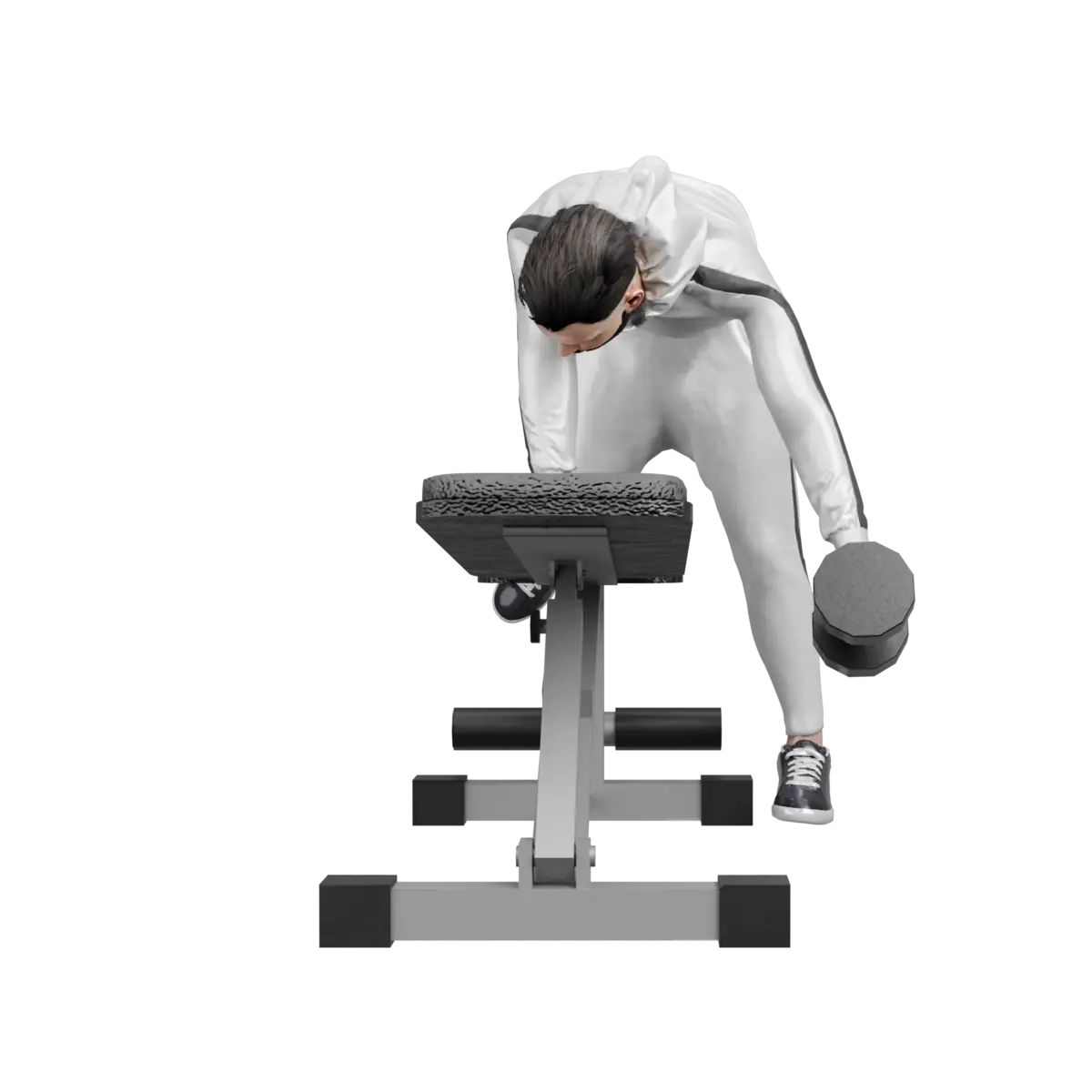
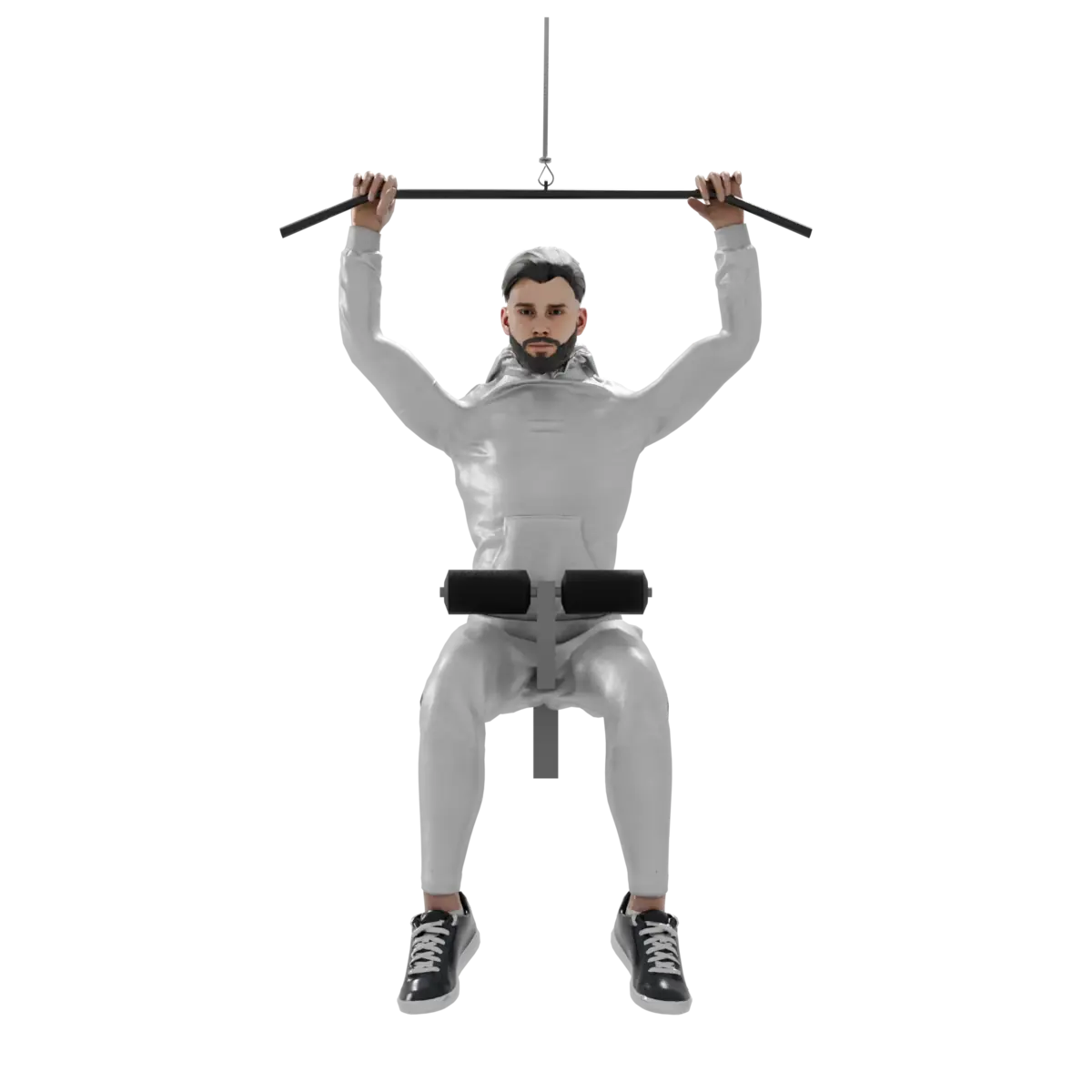
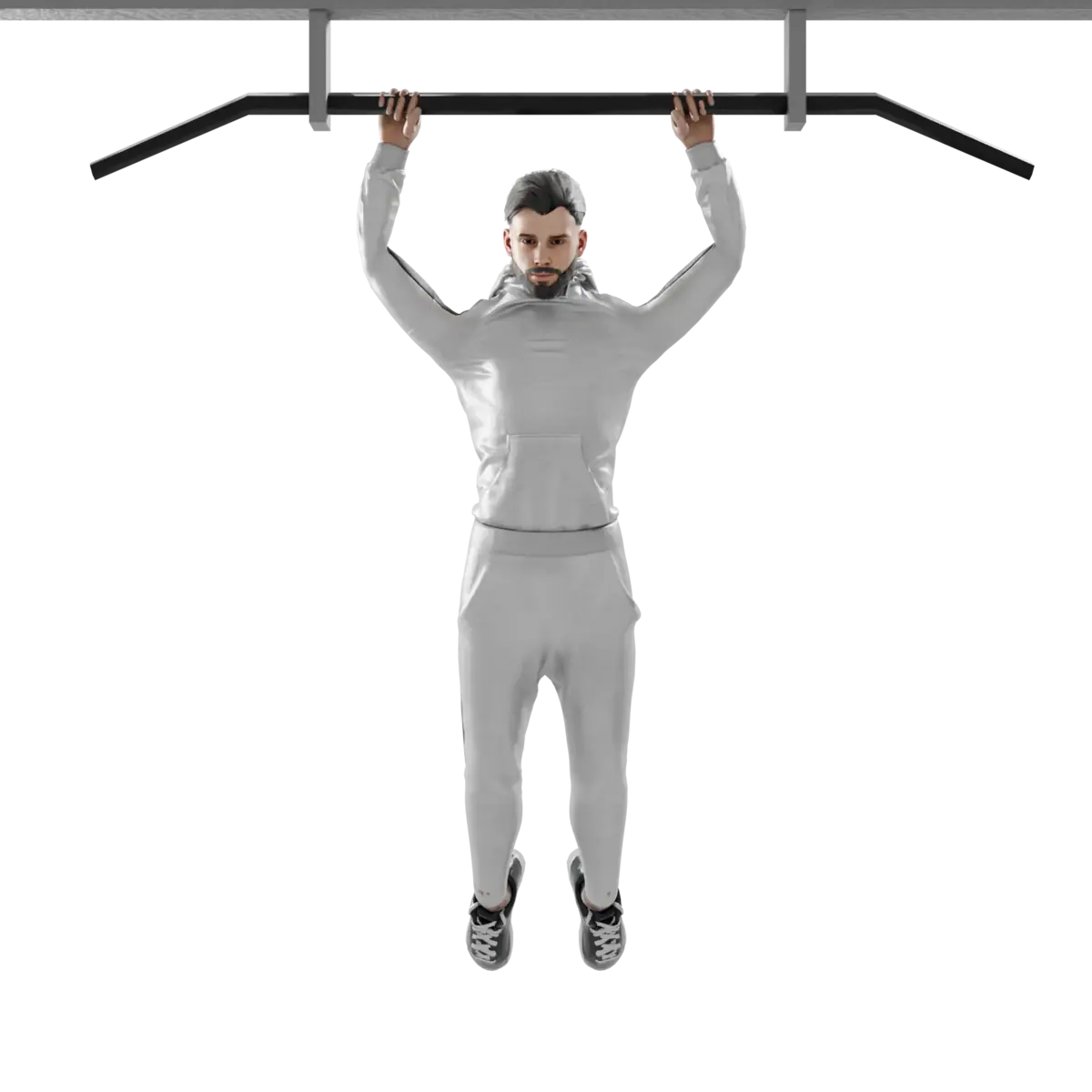
Same muscles, different equipment.
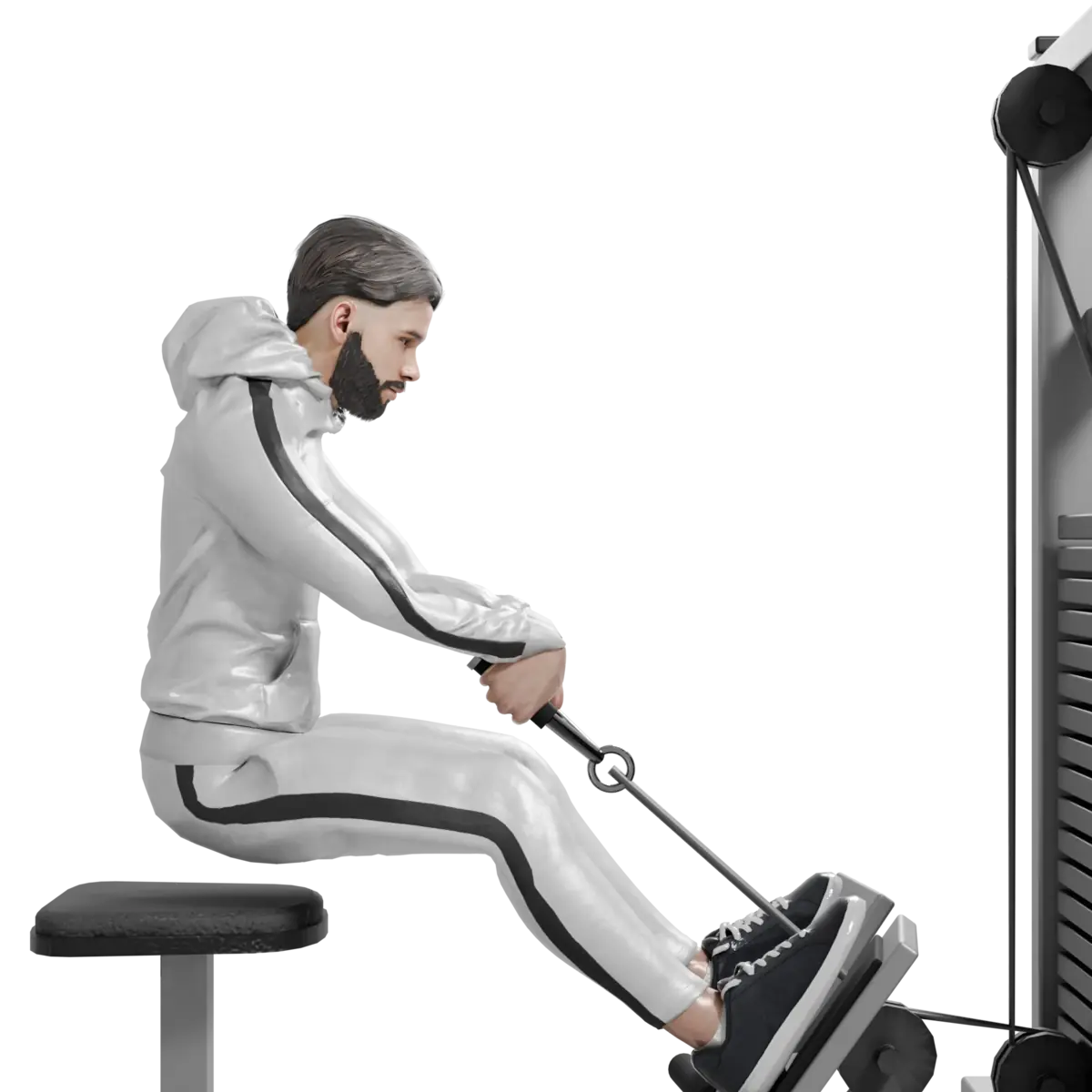
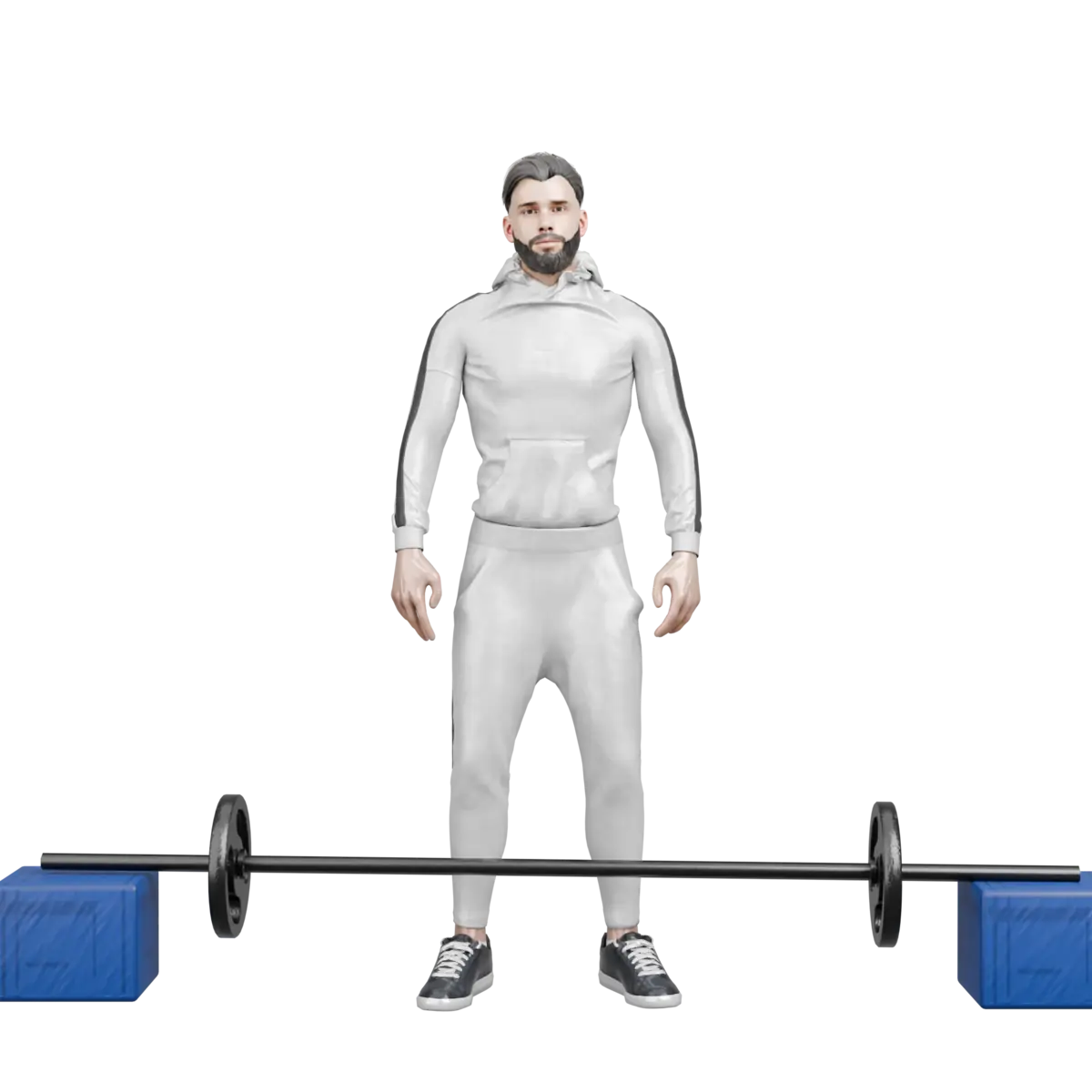
Good to know
Barbell row from every angle
You hinge forward with a flat back, let the bar hang at arm's length and pull it to your lower ribs. It trains the lats and the muscles between your shoulder blades, and holding the bent over position makes your lower back and hamstrings work too. It balances out pressing work like the bench press and helps you keep the bar close in the deadlift. Below is how to row step by step, which grip to use and the mistakes that turn it into a swing.
Muscles worked
The lats and the middle back muscles, the rhomboids and middle traps, pull the bar in and squeeze your shoulder blades together. The rear delts and biceps help. Your spinal erectors and hamstrings hold the hinge the whole set, so the row also trains your back to stay flat under load.
Sets and reps for a stronger back
Do 3 to 4 sets of 6 to 10 reps with about 2 minutes of rest. This range works for both strength and size. Pick a weight you can row without changing your torso angle, and add 2.5 kg once you hit the top of the range on every set. Rowing about as often as you bench press helps keep your shoulders balanced.
Overhand vs underhand barbell row
An overhand grip with the elbows out at about 45 degrees puts more work on the upper back and rear delts. An underhand grip keeps the elbows closer to your sides and brings in more biceps and lower lats, and many people can lift a bit more with it. Both are good. Pick one and add weight over time, or switch every few weeks. If an underhand grip bothers your elbows, stay overhand.
Alternatives: one arm, cable, at home
If the bent over position bothers your lower back, use a chest supported row on an incline bench or a seated cable row. Both take the hinge out, so your back can focus on pulling. At home, row a dumbbell with one hand on a chair.
Plans with the barbell row
The barbell row is on Day A of Full Body Foundation, a 3 day gym plan, with the dumbbell row as its swap. Log every set and the plan sets your next weight. On iPhone and Android.
Full Body Foundation · Curves & Confidence · Dumbbell Home Essentials
What muscles does the barbell row work?
The lats, rhomboids and middle traps do most of the work. The rear delts, biceps, lower back and hamstrings help.
Should you row with an overhand or underhand grip?
Both work. Overhand hits the upper back and rear delts more, underhand brings in more biceps and lats. Use the one that feels better on your elbows and wrists.
How far should you bend over for barbell rows?
Lean until your torso is between flat and 45 degrees to the floor. Lower is stricter and harder, higher lets you lift more. Keep the same angle every rep.
Are barbell rows bad for your lower back?
Not with a flat back and a weight you control. Your lower back holds the position, so it does get tired. If you feel pain, stop and see a professional, and try a chest supported or dumbbell row.
Barbell row vs dumbbell row: which is better?
The barbell row lets you load more and trains both sides at once. The dumbbell row gives a longer range per side and supports your lower back. Many plans use one of each.

Plans with the barbell row
The barbell row is on Day A of Full Body Foundation, a 3 day gym plan, with the dumbbell row as its swap.


Updated