 GymDroid
Dumbbell row from every angle
One Arm Dumbbell Row: How to Do It Right
The one arm dumbbell row is a back exercise where you brace one hand and one knee on a bench and pull a dumbbell up toward your hip.
- Works
- Latissimus dorsi, Rhomboids, Middle trapezius
- Also works
- Rear deltoids, Biceps, Forearms, Core
How to do a one arm dumbbell row, step by step
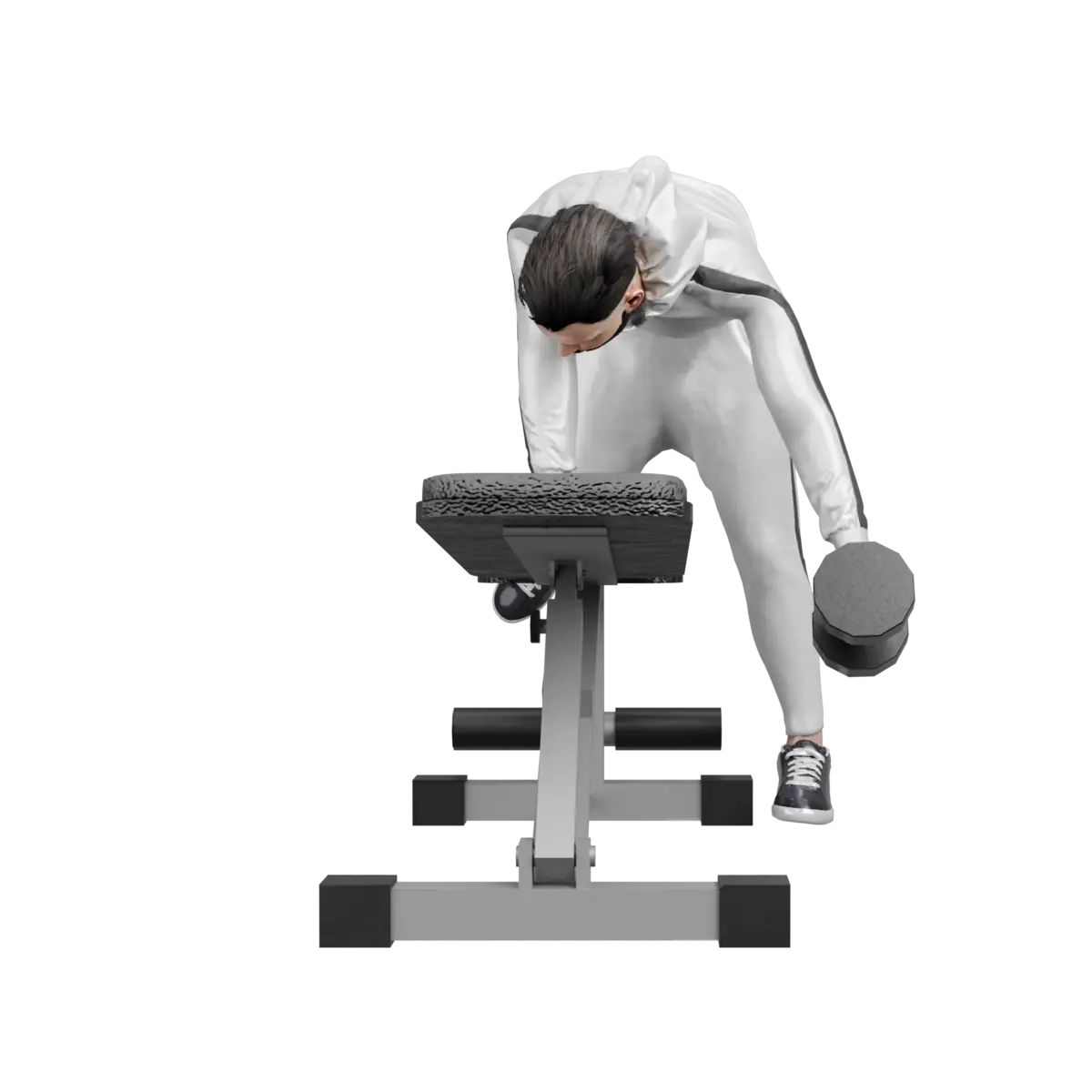
- Place your left knee and left hand on a flat bench. Your hand sits under your shoulder, your knee under your hip.
- Step your right foot out to the side for a stable base.
- Pick up the dumbbell with your right hand. Let it hang straight down under your shoulder.
- Flatten your back so it is close to parallel with the floor. Keep your head in line with your spine.
- Pull the dumbbell up and back toward your hip, keeping the elbow close to your side.
- Stop when your elbow passes your torso. Squeeze the shoulder blade toward your spine for a moment.
- Lower slowly until your arm is straight and you feel a stretch in the side of your back. Finish the set, then switch sides.
Common dumbbell row mistakes
- Twisting the torso to lift the weight. Keep both shoulders level and your chest facing the bench. If you have to rotate, the dumbbell is too heavy.
- Pulling straight up to the chest. Aim the dumbbell toward your hip. That path brings in the lats instead of just the arm.
- Rounding the back. Keep a flat back and brace your core before every rep.
- Cutting the bottom short. Let the arm get fully straight at the bottom so the back gets a full stretch.
- Yanking with the biceps. Think of driving the elbow back, not curling the hand up. A loose grip helps.
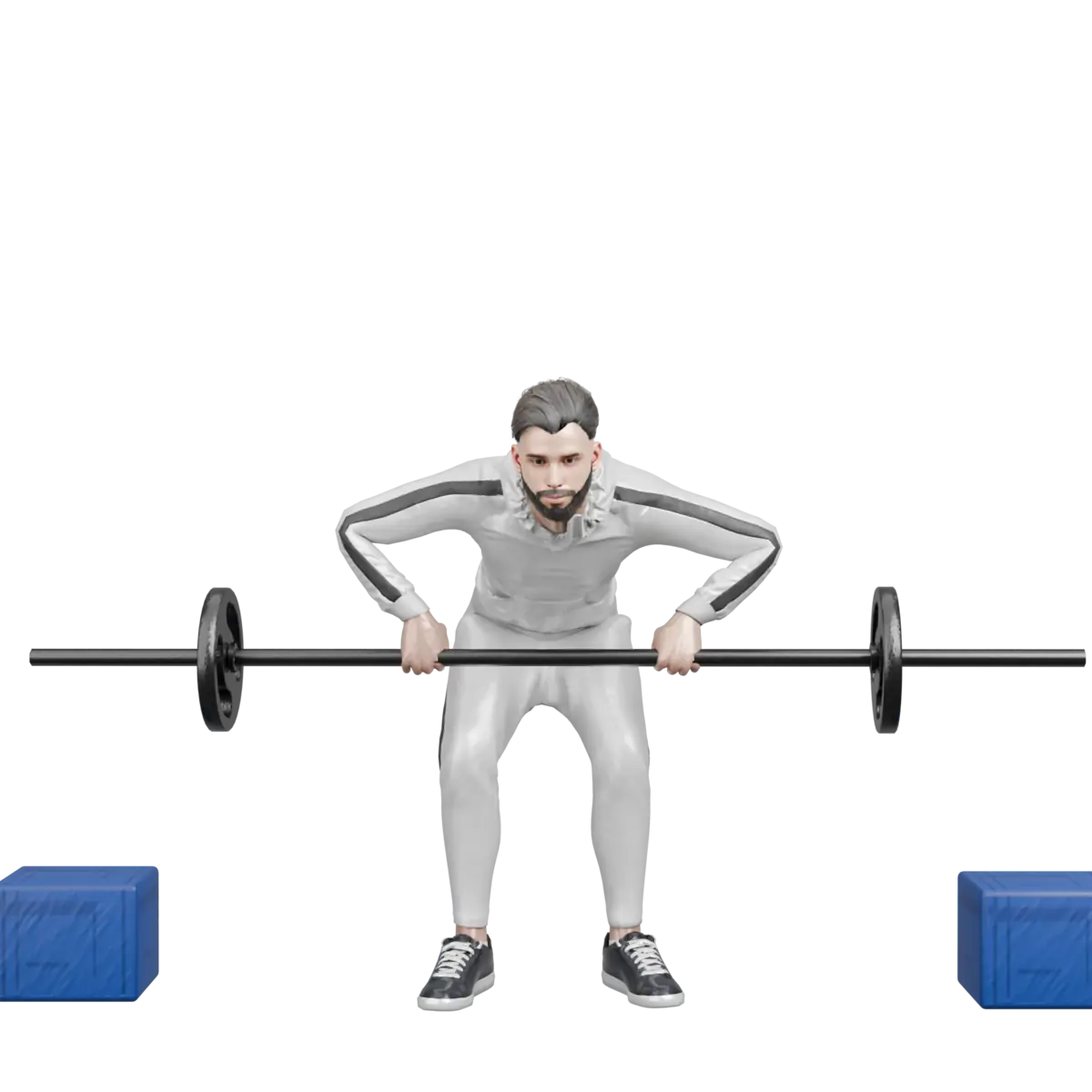
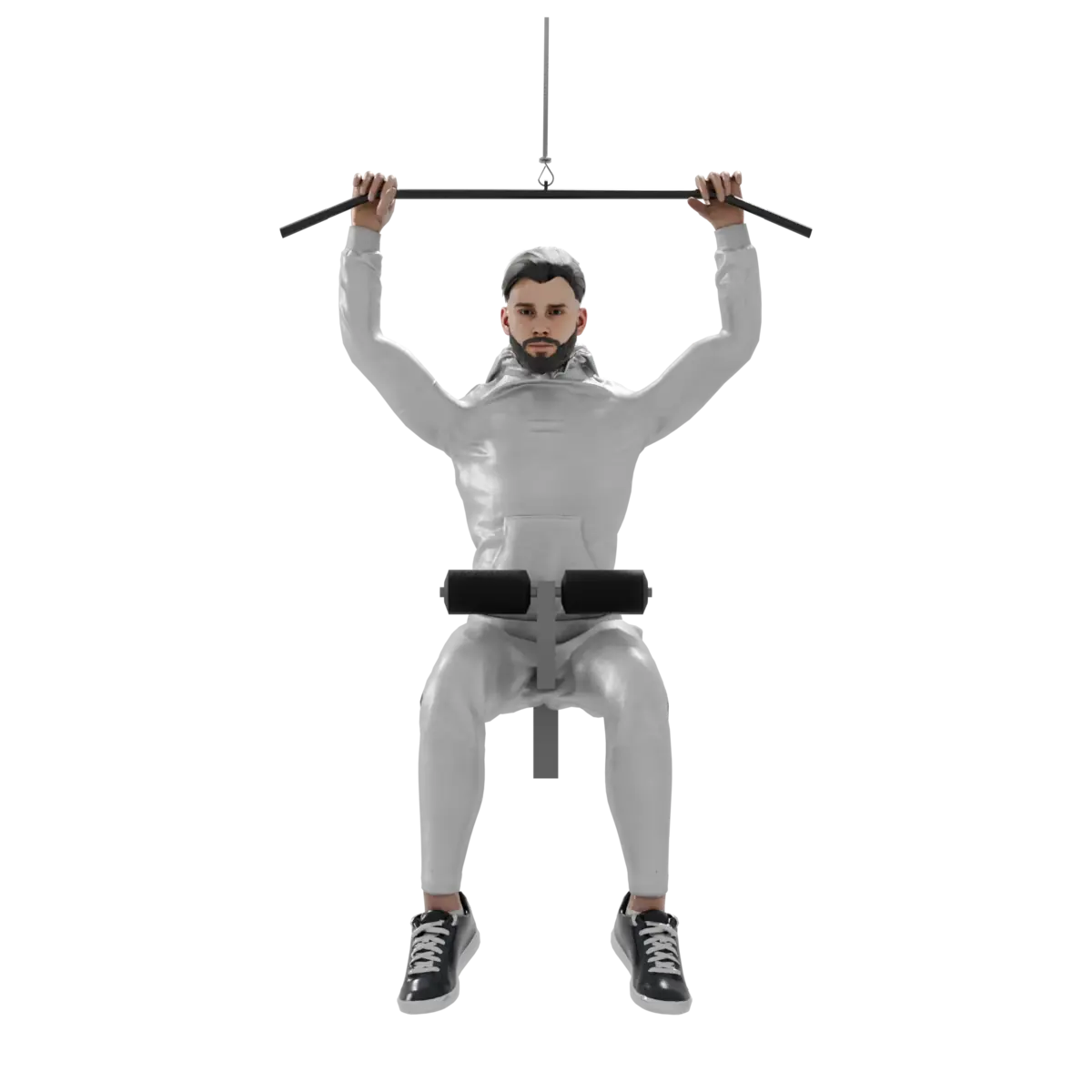
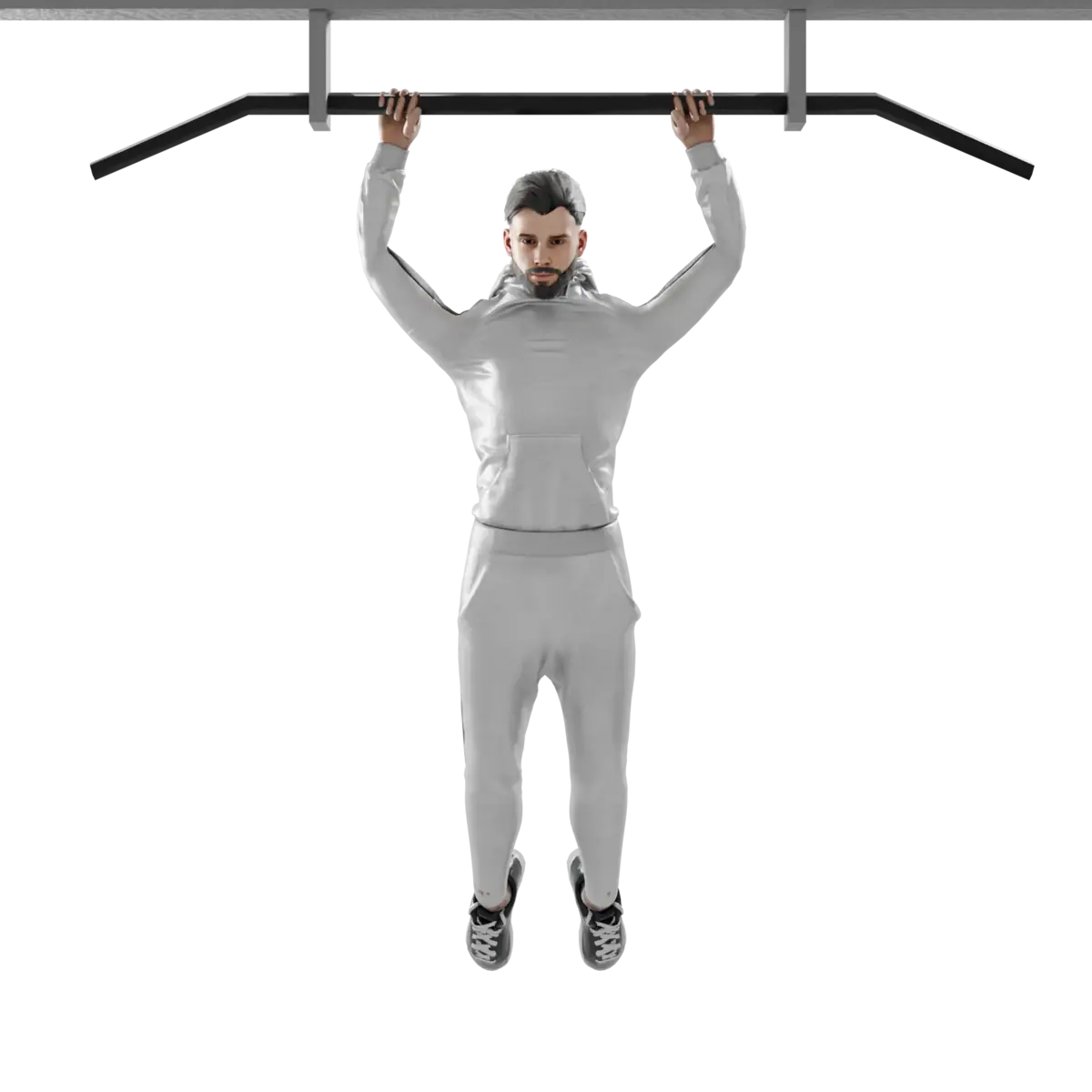
Alternatives: no bench, with a barbell, with a cable
Same muscles, different equipment.
Good to know
Dumbbell row from every angle
The bench supports your spine, so you can focus on the pull and use a real weight. It is one of the simplest ways to build the lats and upper back, at the gym or at home. Below you will find how to do a dumbbell row step by step, the muscles worked, the mistakes to avoid and how many sets to do.
Muscles worked
The latissimus dorsi, the wide muscle on the side of your back, pulls the elbow back toward the hip. The rhomboids and middle trapezius pull the shoulder blade in toward the spine. The rear deltoids, biceps and forearms help, and your core works to keep the torso from twisting.
Sets and reps for a stronger back
Do 3 to 4 sets of 8 to 12 reps per arm. Start with your weaker side and match the reps on the other. Rest about 60 seconds between sides. When you reach 12 clean reps on every set without twisting, move up to the next dumbbell. Rows pair well with a pressing exercise like the bench press or the dumbbell shoulder press in the same workout.
Dumbbell row vs barbell row
The barbell row trains both sides at once and lets you lift heavier, but you hold a bent over position with no support, which tires the lower back. The dumbbell row braces you on a bench, trains one side at a time and lets the elbow travel further back. If your lower back gets tired before your upper back, or if you train at home with dumbbells only, the one arm row is the better pick. Many plans use both across the week.
Alternatives: no bench, with a barbell, with a cable
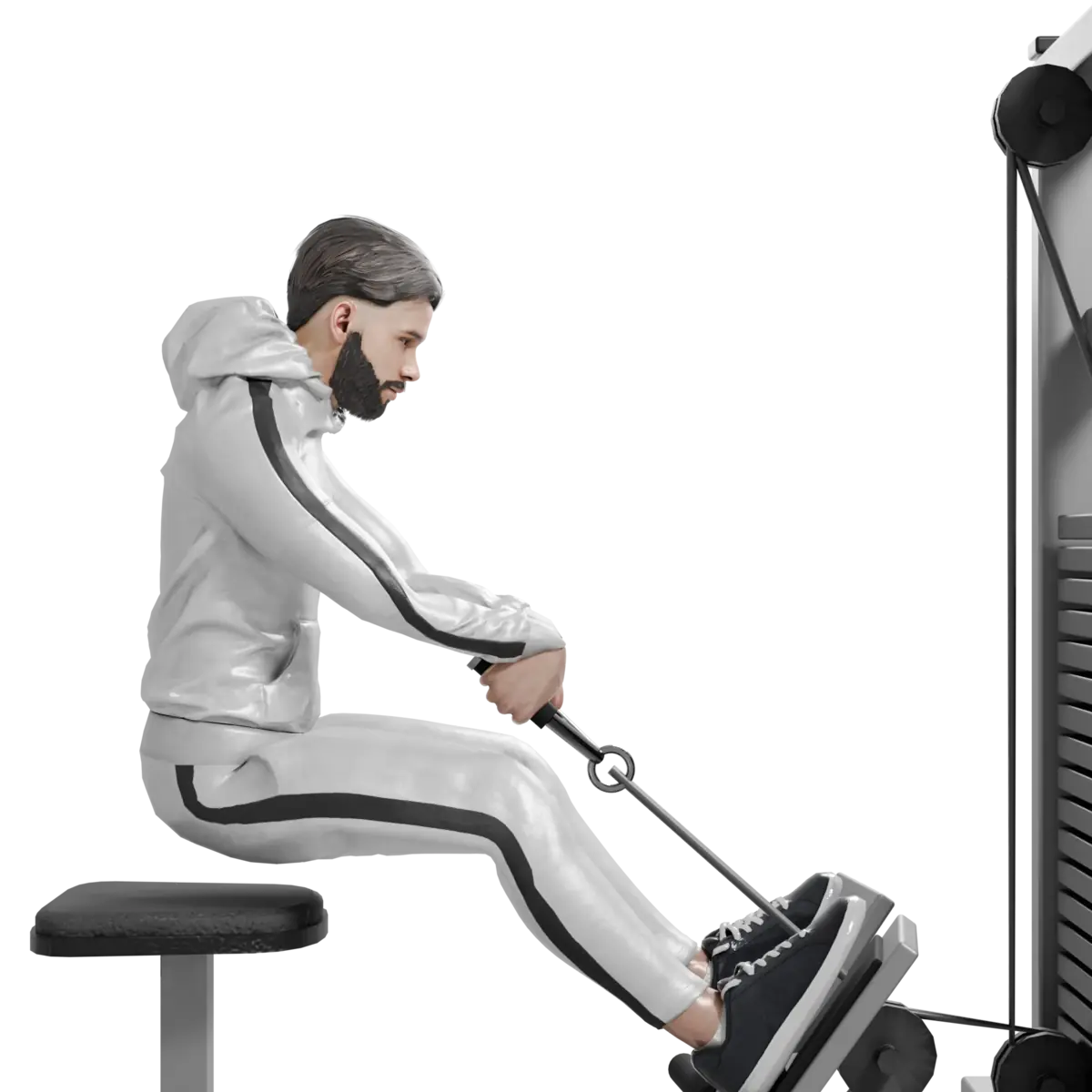
No bench? Brace your other hand on a sturdy chair or table, or do a bent over row with a dumbbell in each hand. A seated cable row and a chest supported row are good gym options too. The moves below train the same back muscles.
Plans with the dumbbell row
The dumbbell row is on all three days of Dumbbell Home Essentials and is the swap for the barbell row on Day A of Full Body Foundation. Log each arm in GymDroid and the plan sets your next weight. On iPhone and Android.
Full Body Foundation · Curves & Confidence · Dumbbell Home Essentials
What muscles does the dumbbell row work?
Mainly the lats, rhomboids and middle trapezius. The rear shoulders, biceps and forearms help, and the core keeps you from twisting.
Should my elbow be tucked or flared in a dumbbell row?
Tucked close to your side works the lats more. Flared out to about 45 degrees shifts more work to the upper back and rear shoulders. Both are valid, just keep the same style each session.
How heavy should my dumbbell rows be?
Heavy enough that the last two reps of each set are hard, but light enough that you never twist your torso to lift it.
Can you do dumbbell rows without a bench?
Yes. Rest one hand on a sturdy chair or table and stagger your feet, or hinge forward with a dumbbell in each hand.
Do dumbbell rows help posture?
They strengthen the upper back muscles that hold your shoulders back, which can help you sit and stand tall more easily. Posture also depends on daily habits, so rows are only one part of it.

Plans with the dumbbell row
The dumbbell row is on all three days of Dumbbell Home Essentials and is the swap for the barbell row on Day A of Full Body Foundation.


Updated