 GymDroid
Seated cable row from every angle
Seated Cable Row: How to Do It Right
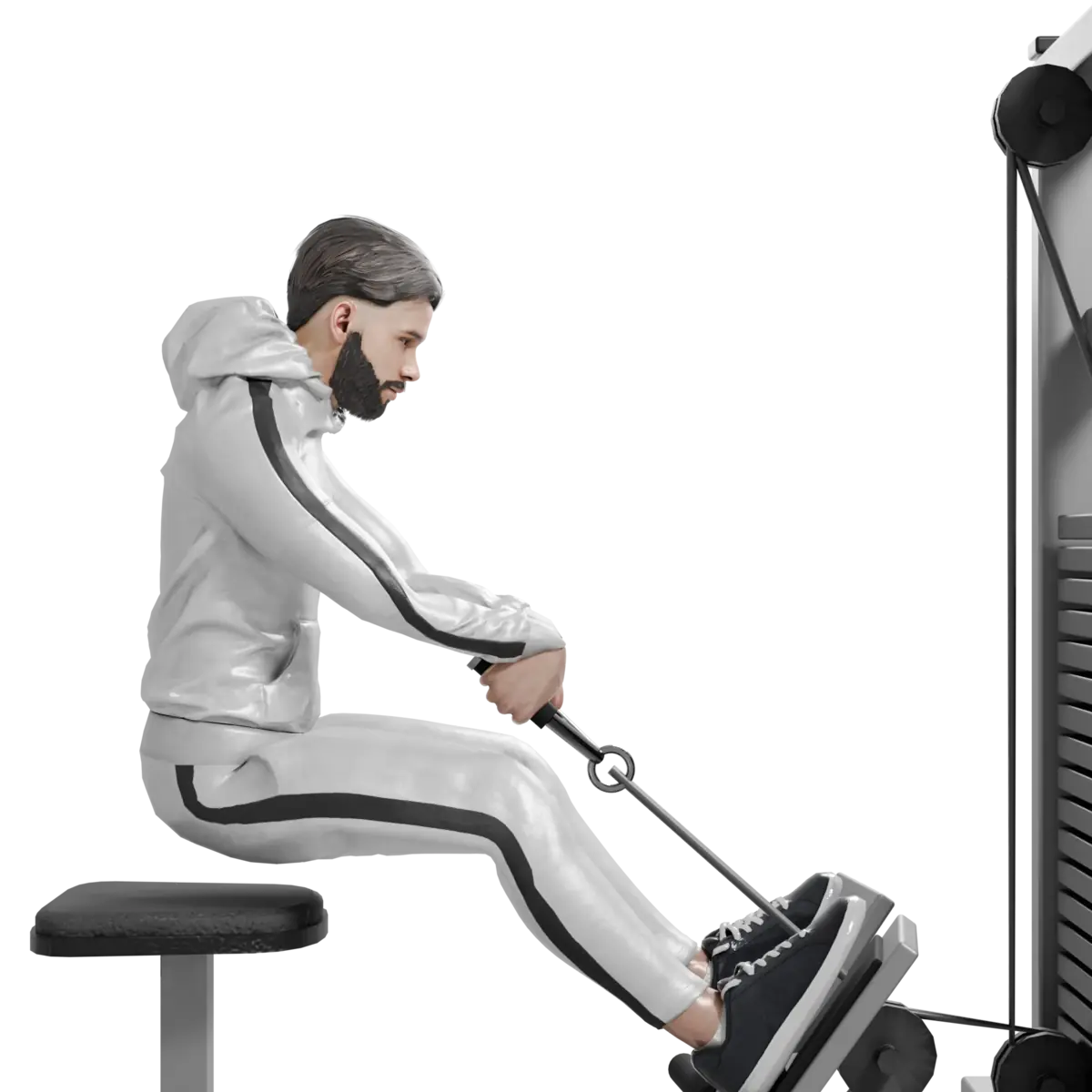
The seated cable row is a back exercise on a low cable machine.
- Works
- Latissimus dorsi
- Also works
- Rhomboids, Trapezius, Biceps
How to do a seated cable row, step by step
- Attach a V-bar handle to the low cable. Sit on the seat and put your feet on the platform with your knees slightly bent.
- Grab the handle with both hands. Sit back until your arms are straight and the weight lifts off the stack.
- Sit tall with your chest up. Let your torso lean slightly forward so you feel a stretch in your back.
- Pull the handle toward your stomach. Drive both elbows straight back, close to your sides.
- Bring your torso upright as you pull, but do not lean back past vertical.
- Stop when the handle touches your stomach. Squeeze your shoulder blades together for a moment.
- Let the handle travel forward slowly until your arms are straight again. Keep your feet braced and repeat.
Common seated cable row mistakes
- Rocking back and forth to move the weight. Keep your torso close to upright and still. If you have to swing, take a lighter weight.
- Shrugging the shoulders up to the ears. Keep your shoulders down. Think of pulling the shoulder blades back and down, not up.
- Pulling with the arms only. Start each rep by squeezing the shoulder blades, then drive the elbows back. Your hands just hold the handle.
- Rounding the lower back. Sit tall and brace your core. A small lean forward at the stretch is fine, a rounded spine is not.
- Letting the weight snap back. Control the way forward. Take about two seconds to return the handle.
Alternatives: free weights and other cables
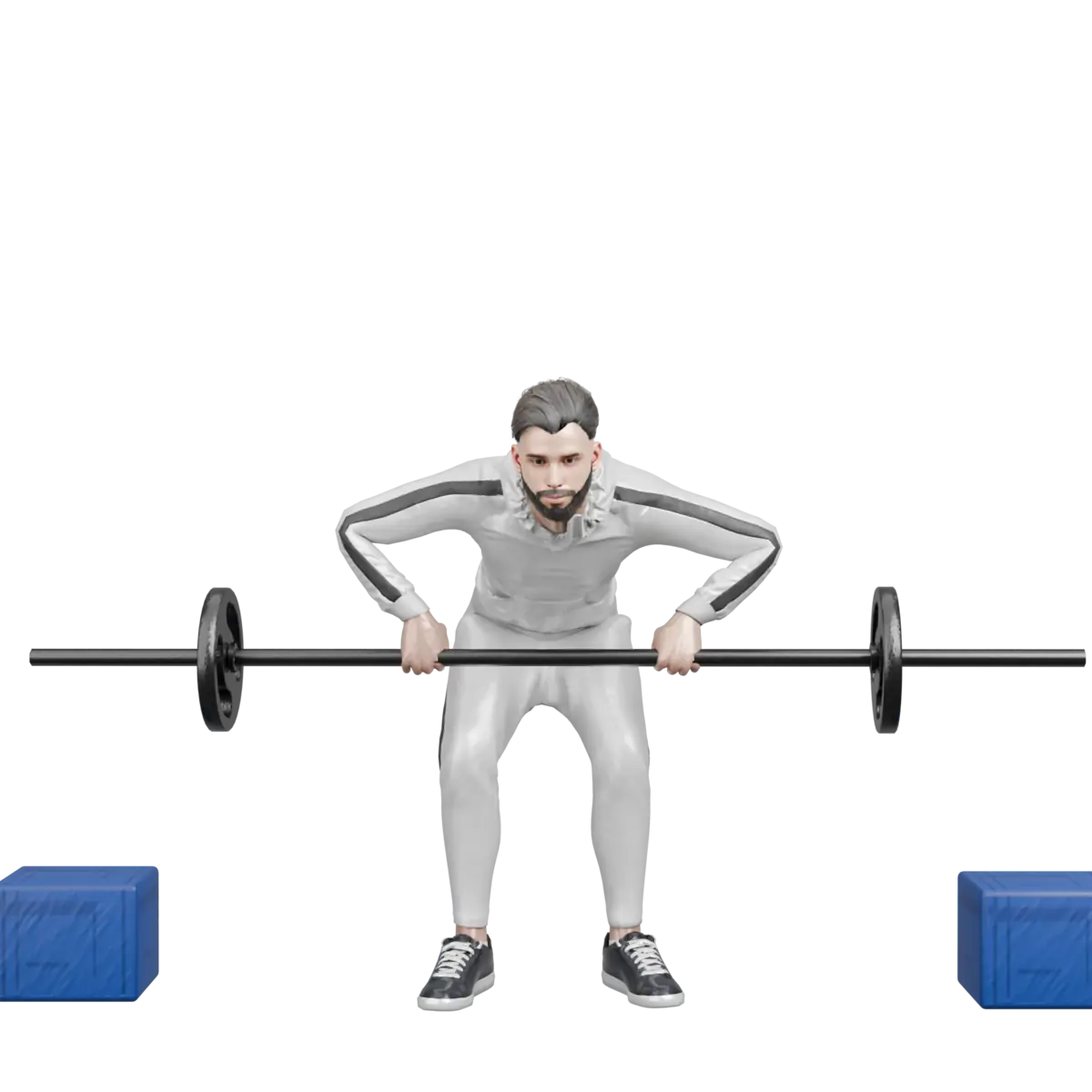
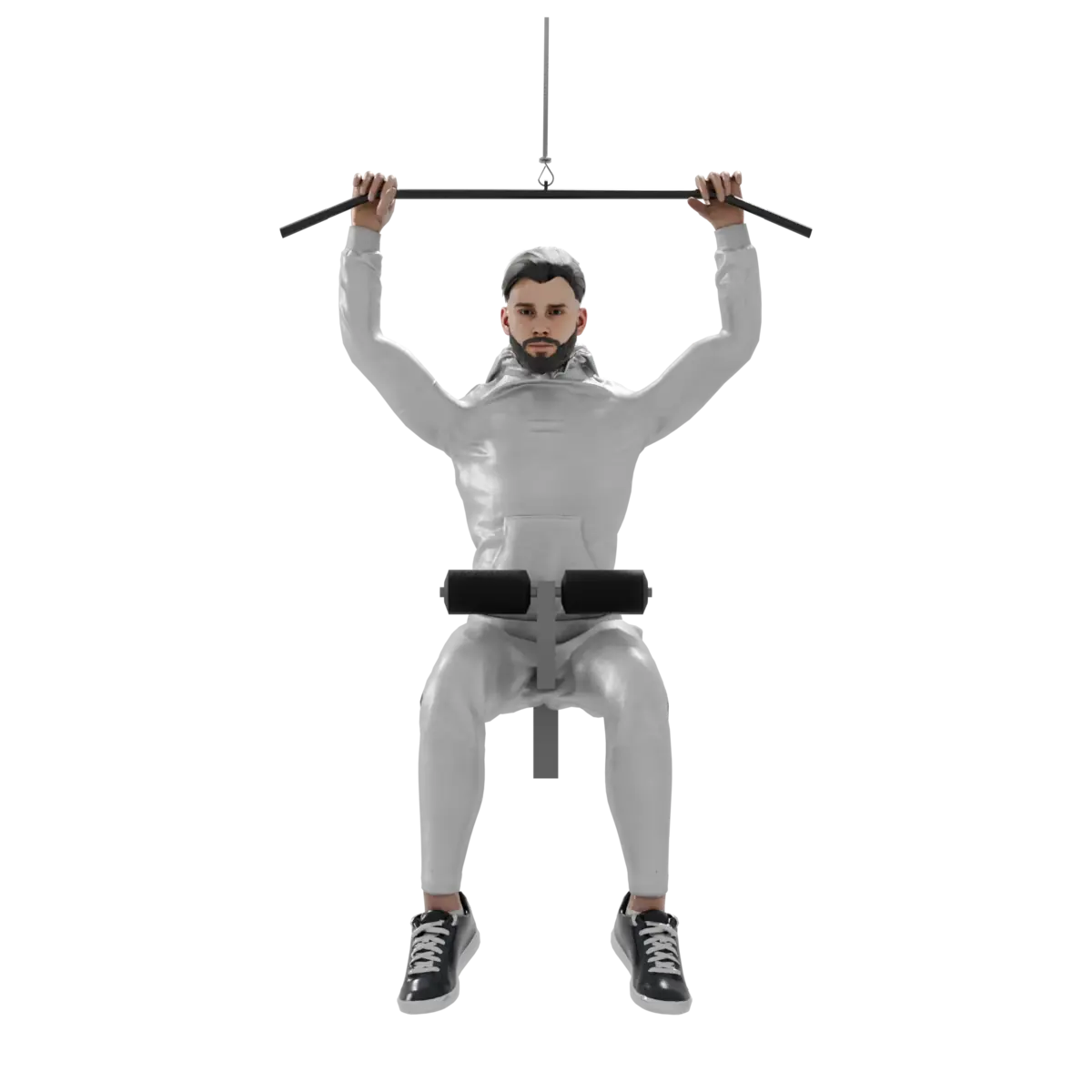
Same muscles, different equipment.
Good to know
Seated cable row from every angle
You sit with your feet on the platform, hold a V-bar handle and pull it to your stomach. The cable keeps the load on your back the whole rep, and the seat takes strain off your lower back. That makes it one of the easiest rows to learn and to load. Below you will find how to do a seated cable row step by step, the muscles worked, the mistakes to avoid and how many sets to do.
Muscles worked
The lats, the wide muscles on the sides of your back, pull your elbows back past your torso. The rhomboids and traps squeeze your shoulder blades together at the end of each rep, which builds a thicker middle back. Your biceps bend the elbows and help on every pull. The lower back and core hold your torso still.
Sets and reps for a thicker back
Do 3 to 4 sets of 8 to 12 reps. Rest about 90 seconds between sets. Pick a weight where the last two reps are hard but you can still pause at your stomach. When you hit 12 clean reps on every set, move the pin down one plate. The seated cable row pairs well with a vertical pull like the lat pulldown in the same workout.
Seated cable row vs dumbbell row
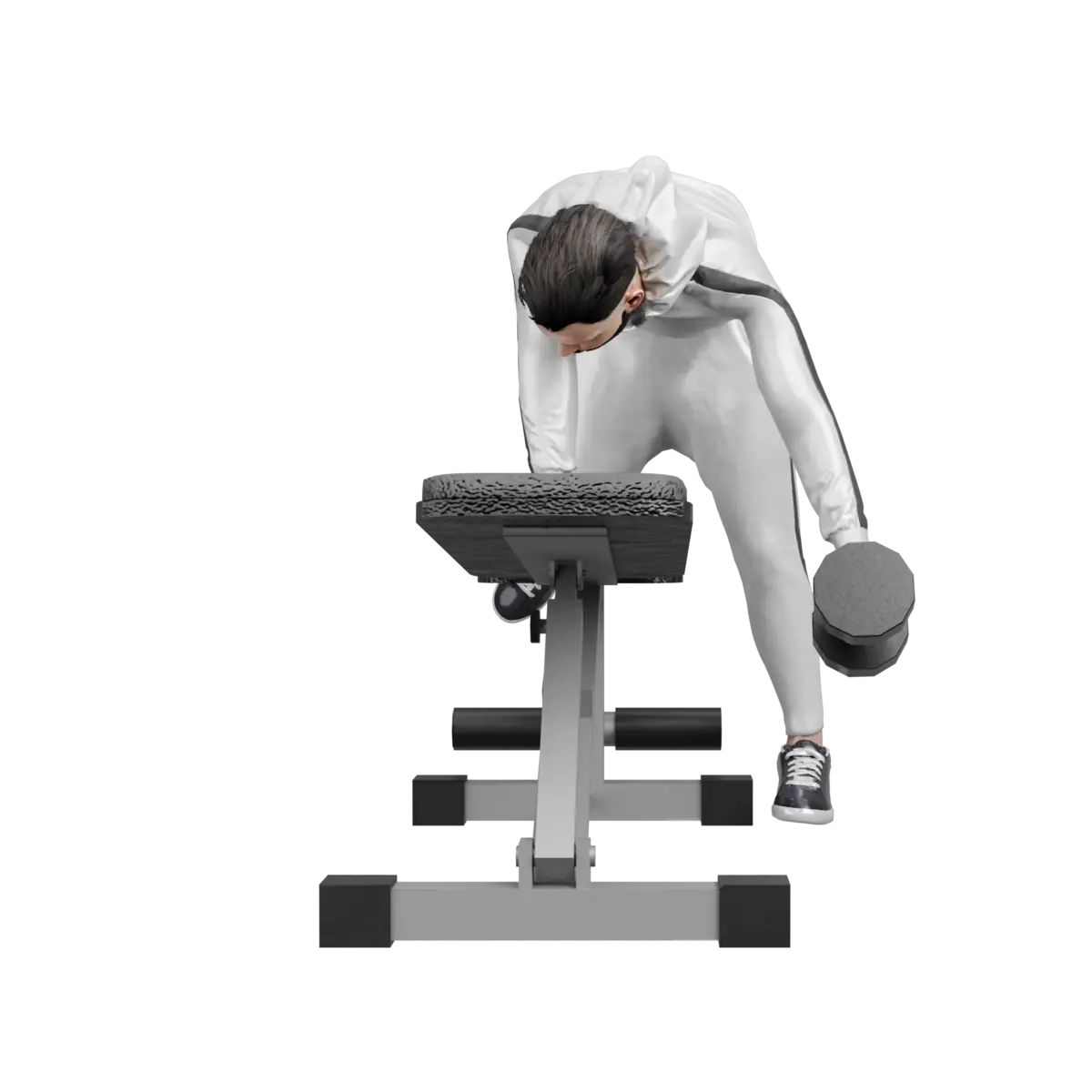
The seated cable row trains both sides at once with constant tension from the cable. It is easy to change the weight with a pin, so it suits beginners and high rep sets. The dumbbell row trains one side at a time and lets your elbow travel further back, but you need a bench and you can twist. Both build the same back muscles. Pick the cable row at the gym and the dumbbell row at home, or use both across the week.
Grip options: V-bar, wide bar, rope
The V-bar gives a close, neutral grip. It works the lats hard and lets you lift the most. A wide bar with an overhand grip shifts more work to the upper back and rear delts. A rope lets your hands move apart at the end. Start with the V-bar, then add a wide grip on another day if you want more upper back work.
Alternatives: free weights and other cables
No cable row station? A chest supported row on an incline bench or a resistance band anchored at your feet gives a similar pull. The moves below train the same back muscles.
Plans with the seated cable row
The seated cable row is on Day B of Curves & Confidence, right after the pulldown. In Full Body Foundation it is the swap for the chest supported row on Day C. Log every set in GymDroid and the plan sets your next weight. On iPhone and Android.
Full Body Foundation · Curves & Confidence · Dumbbell Home Essentials
What muscles does the seated cable row work?
Mainly the lats. The rhomboids and traps squeeze the shoulder blades together, and the biceps help bend the elbows. Your core and lower back keep you upright.
Should you lean back on a seated cable row?
Only a little. Lean slightly forward at the stretch and come back to upright as you pull. Leaning far back turns the row into a swing and takes work off your back.
Is the seated cable row good for beginners?
Yes. The seat and the foot platform keep you steady, and you change the weight with a pin. It is one of the easiest rows to learn.
Which grip is best for seated cable rows?
A V-bar with a close, neutral grip is the standard and lets you lift the most. A wide overhand bar puts more work on the upper back and rear delts.
Is the seated cable row bad for your lower back?
Not when you sit tall and keep the torso still. The seat takes away most of the strain a bent over row puts on the lower back. If you feel pain, stop and see a professional.

Plans with the seated cable row
The seated cable row is on Day B of Curves & Confidence, right after the pulldown.


Updated