 GymDroid
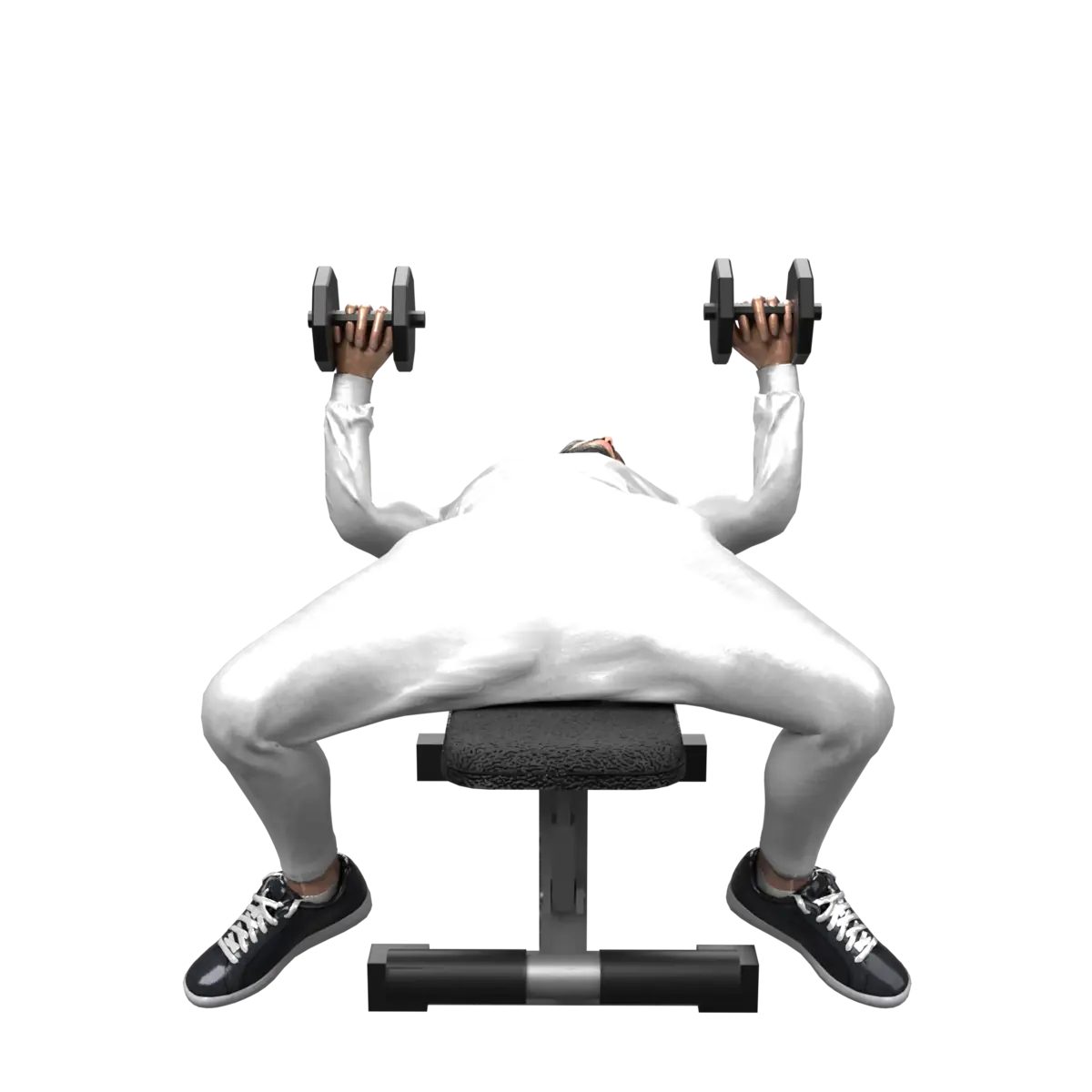
Dumbbell bench press from every angle
Dumbbell Bench Press: How to Do It Right
The dumbbell bench press is the flat bench press done with two dumbbells.
- Works
- Lower chest, Upper chest
- Also works
- Triceps, Front deltoids
How to do a dumbbell bench press, step by step
- Sit on the end of a flat bench with the dumbbells standing on your thighs. Lie back and use your knees to help bring them up to your chest.
- Plant your feet on the floor. Keep your head, shoulders and glutes on the bench, with a small natural arch in your lower back.
- Press the dumbbells up over your chest, arms straight and palms facing your feet.
- Pull your shoulder blades back and down into the bench. Keep your wrists stacked over your elbows.
- Lower the dumbbells with control to just outside your chest. Your elbows go about 45 degrees from your body and slightly below the bench.
- Press back up in a slight arc until the dumbbells meet over your chest. Keep your chest lifted.
- Keep your upper back tight and your feet planted. Move the dumbbells on the same path every rep.
- After the last rep, bring the dumbbells to your chest, then to your thighs, and sit up.
Common dumbbell bench press mistakes
- Elbows flared out to the sides. Keep them about 45 degrees from your body. Wide elbows put more stress on the shoulders.
- Stopping halfway down. Lower until the dumbbells sit just outside your chest and you feel a stretch. Use a lighter pair if you cannot.
- Dropping the dumbbells to the floor at the end. Bring them back to your chest and thighs, then sit up. It protects your shoulders and the people near you.
- Shoulders rolling forward at the top. Keep your shoulder blades pinned to the bench, even when your arms are straight.
- Dumbbells drifting apart or clanking together. Press in a slight arc and stop just before they touch. Same path every rep.
- Hips lifting off the bench. Keep your glutes down and push your feet into the floor, not up.
Alternatives: barbell, incline, at home
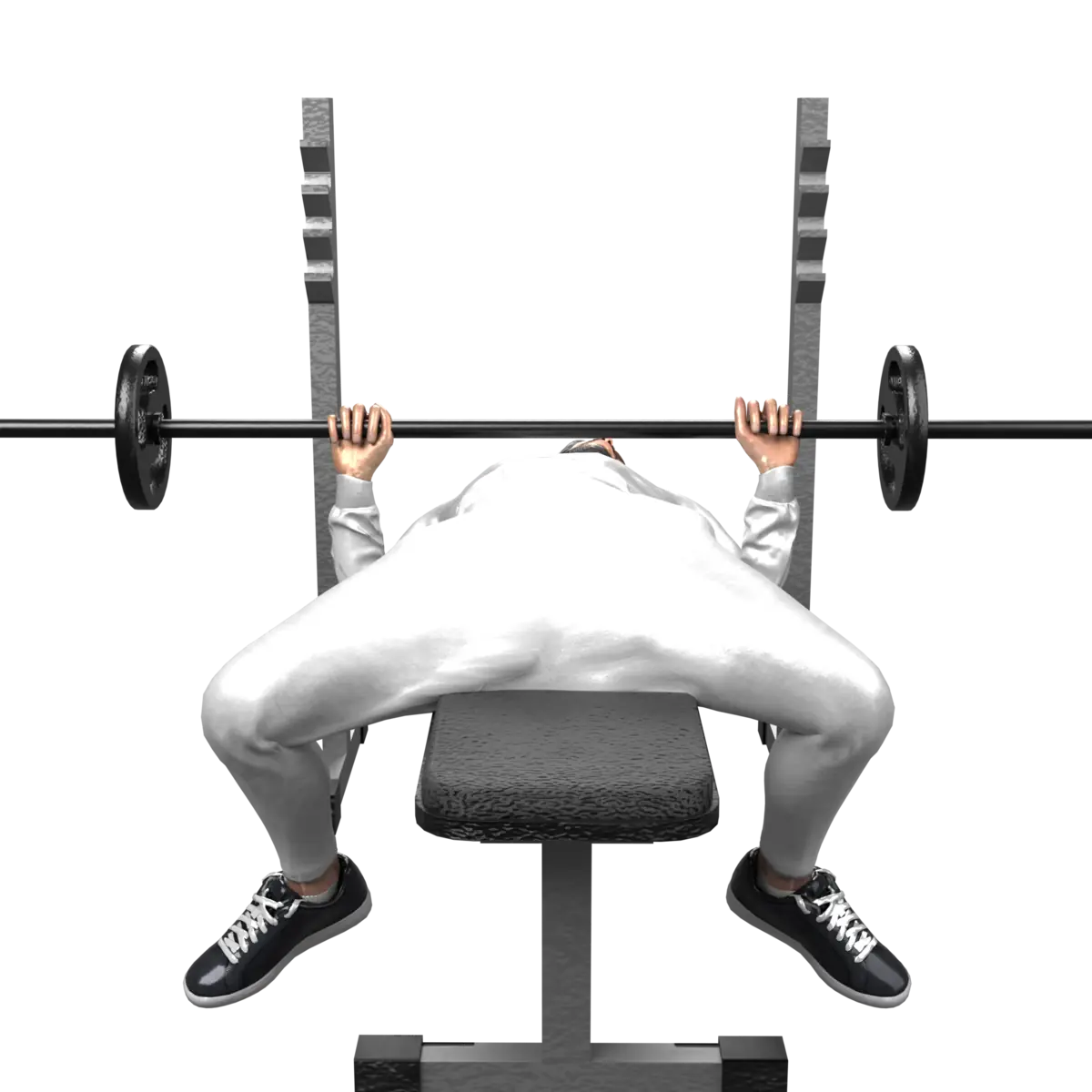
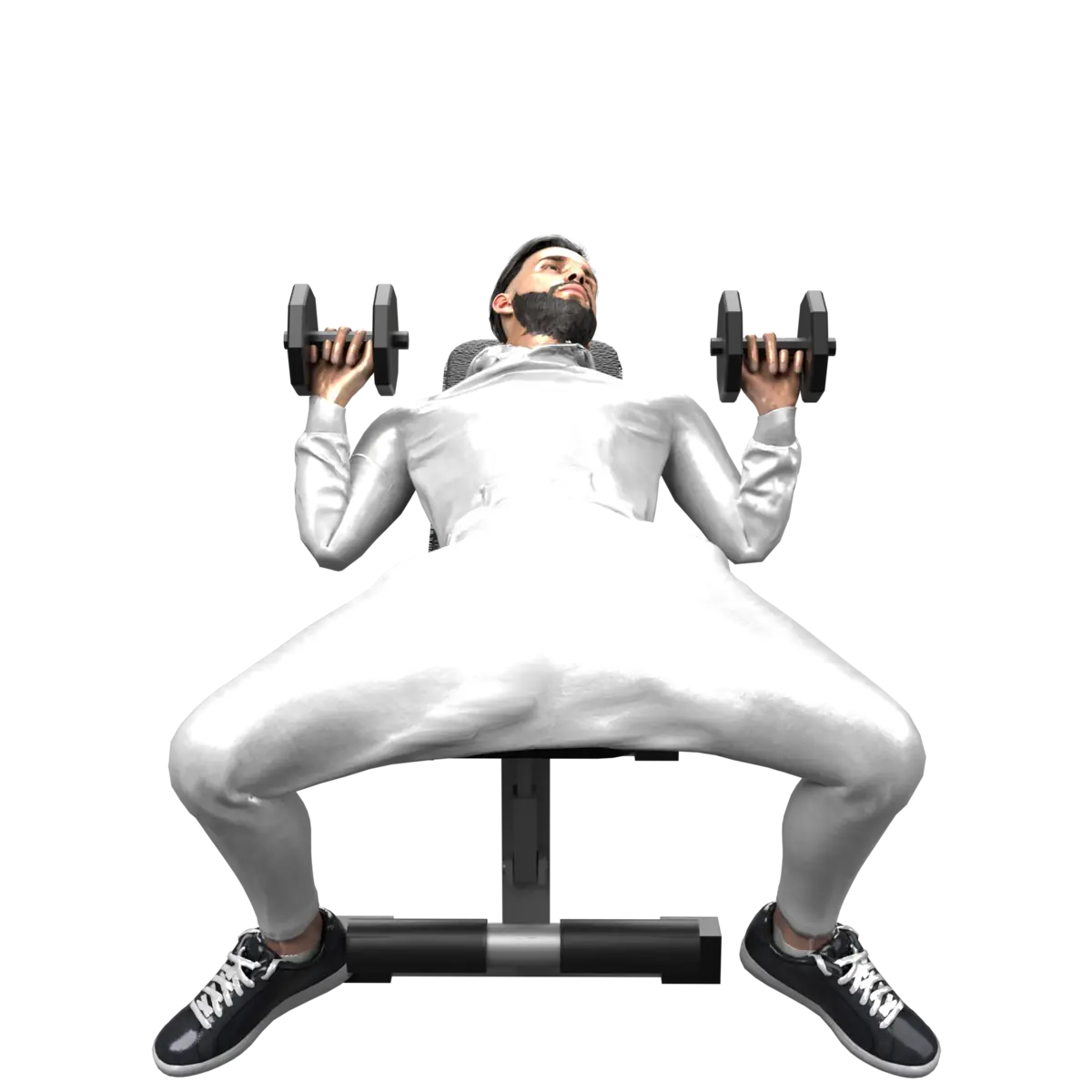
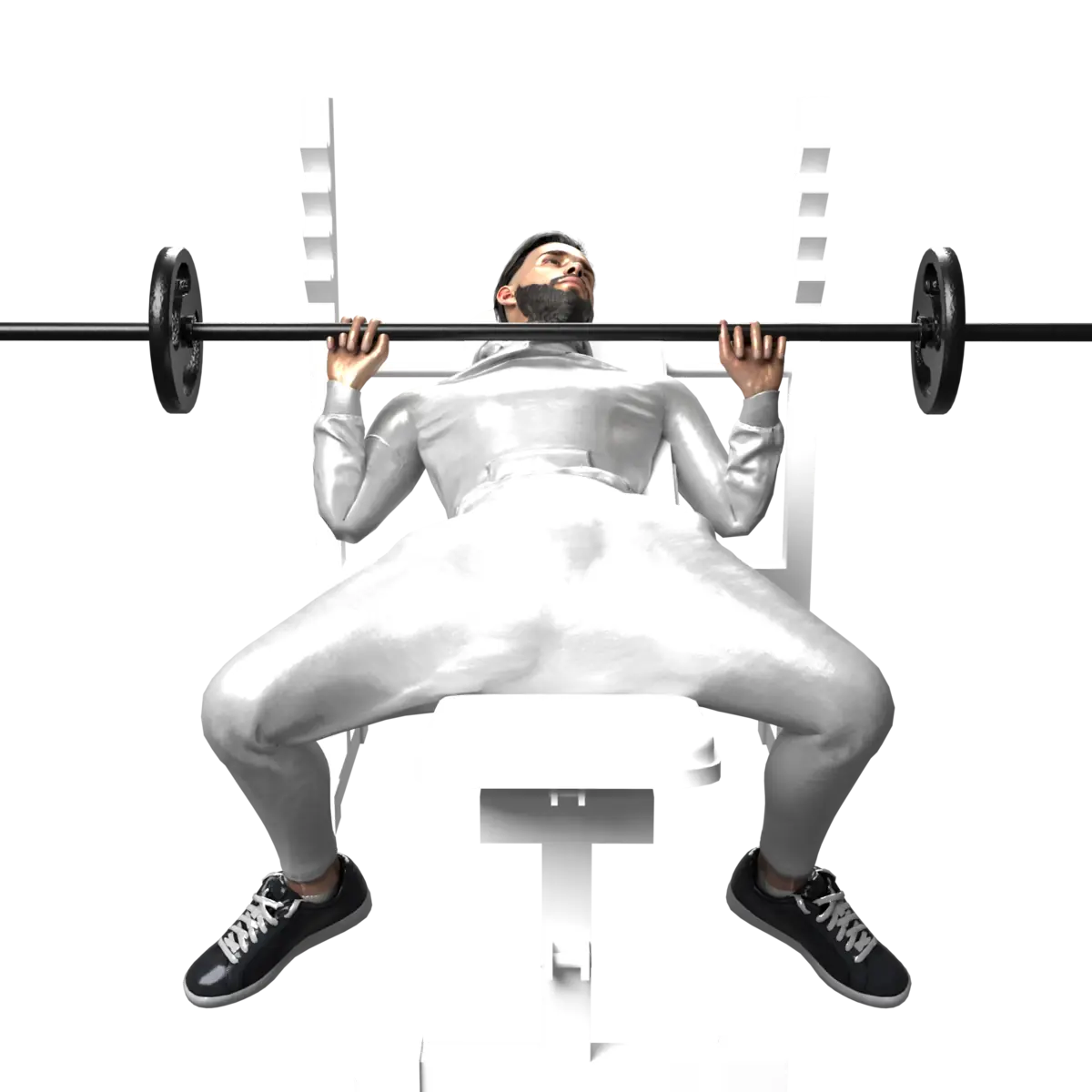
Same muscles, different equipment.
Good to know
Dumbbell bench press from every angle
You lie on a flat bench and press the dumbbells from the sides of your chest to straight arms over your chest. Each arm works on its own, and the dumbbells go a little deeper than a bar, so the chest gets a good stretch. In the app it is called "Dumbbell Chest Press". Below is how to get the dumbbells into place, how low to go and the mistakes that cost you reps.
Muscles worked
The dumbbell bench press trains the whole chest, the upper and the lower part of the pectoralis major. The triceps straighten your arms at the top, and the front delts help move the dumbbells up from the bottom. Because each arm works alone, smaller muscles around the shoulder also work to keep the dumbbells steady.
Sets and reps for chest growth
Do 3 to 4 sets of 8 to 12 reps with 1.5 to 2 minutes of rest. Use it as your main chest press, or after a heavy barbell bench press. Move up to the next pair once you get 12 clean reps on every set. Dumbbells often go up in 2 kg steps per hand, which is a big jump, so add reps first and weight second.
Dumbbell bench press vs barbell bench press
The barbell lets you lift more weight in total and is easier to load in small steps. Dumbbells give a deeper stretch at the bottom and let each arm work on its own, so a weaker side cannot hide. They also let your wrists turn to an angle that suits your shoulders. Many people do the barbell bench press first and the dumbbell press after it. If the barbell bench hurts your shoulders, the dumbbell version is a good swap.
Neutral grip: palms facing each other
You can also press with your palms facing each other. This is often called a neutral grip or hammer press. It keeps your elbows closer to your body and puts a bit more work on the triceps. Many people with sore shoulders find it more comfortable. The rest of the movement stays the same.
Alternatives: barbell, incline, at home
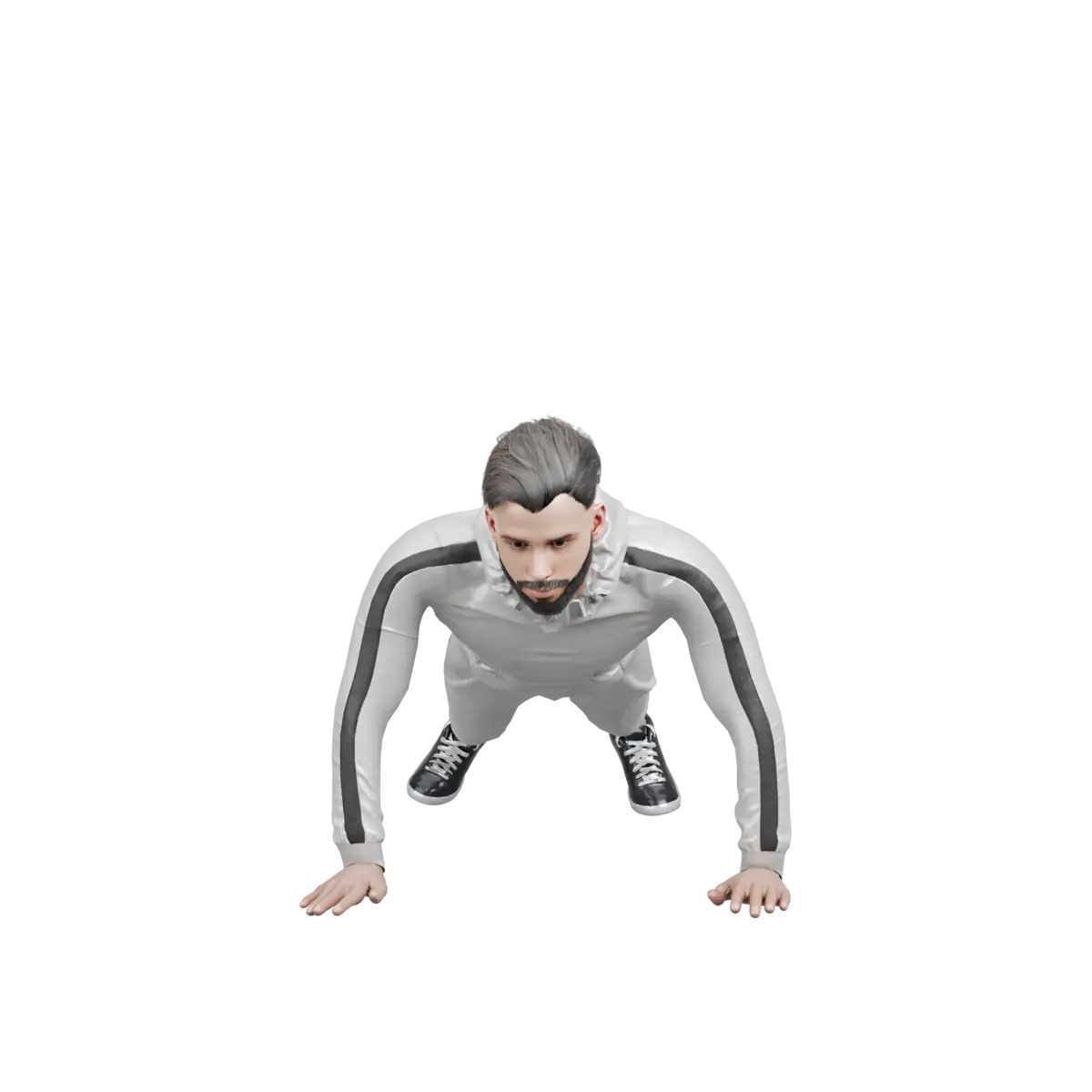
The barbell bench press lets you load heavier. The incline dumbbell press shifts the work to the upper chest. At home without a bench, push ups train the same muscles with body weight.
Plans with the dumbbell bench press
The dumbbell bench press is the chest press on Day B of Full Body Foundation, a 3 day gym plan, and the swap for the bench press on Day A. Curves & Confidence uses it on its upper body day. Log every set and the plan sets your next weight. On iPhone and Android.
Full Body Foundation · Curves & Confidence · Dumbbell Home Essentials
Is dumbbell bench press better than barbell bench press?
Neither is better for everyone. Dumbbells give a longer range and let each arm work alone. The barbell lets you lift more. Both build the chest, so many plans use both.
What muscles does the dumbbell bench press work?
Mainly the chest, upper and lower part. The triceps and front delts help.
How heavy should my dumbbells be for bench press?
Pick a pair you can press for 8 to 12 clean reps, with one or two reps left. Most beginners start between 6 and 14 kg per hand.
How low should you go on dumbbell bench press?
Lower until the dumbbells sit just outside your chest and your elbows are slightly below the bench. Stop sooner if your shoulders hurt, and see a professional if the pain stays.
Is the dumbbell chest press the same as the dumbbell bench press?
Yes. Both names mean pressing two dumbbells while lying on a flat bench. GymDroid calls it "Dumbbell Chest Press".
Can I do dumbbell bench press at home?
Yes, with a flat bench or a sturdy step and a pair of dumbbells. No bench? You can press from the floor, with a shorter range.

Plans with the dumbbell bench press
The dumbbell bench press is the chest press on Day B of Full Body Foundation, a 3 day gym plan, and the swap for the bench press on Day A.


Updated