 GymDroid
Face pull from every angle
Face Pull: How to Do It Right
The face pull is a cable exercise for the rear delts and upper back.
- Works
- Rear delts
- Also works
- Rhomboids, Trapezius, Side delts
How to do a face pull, step by step
- Set the pulley high, at face height or above, and attach a rope.
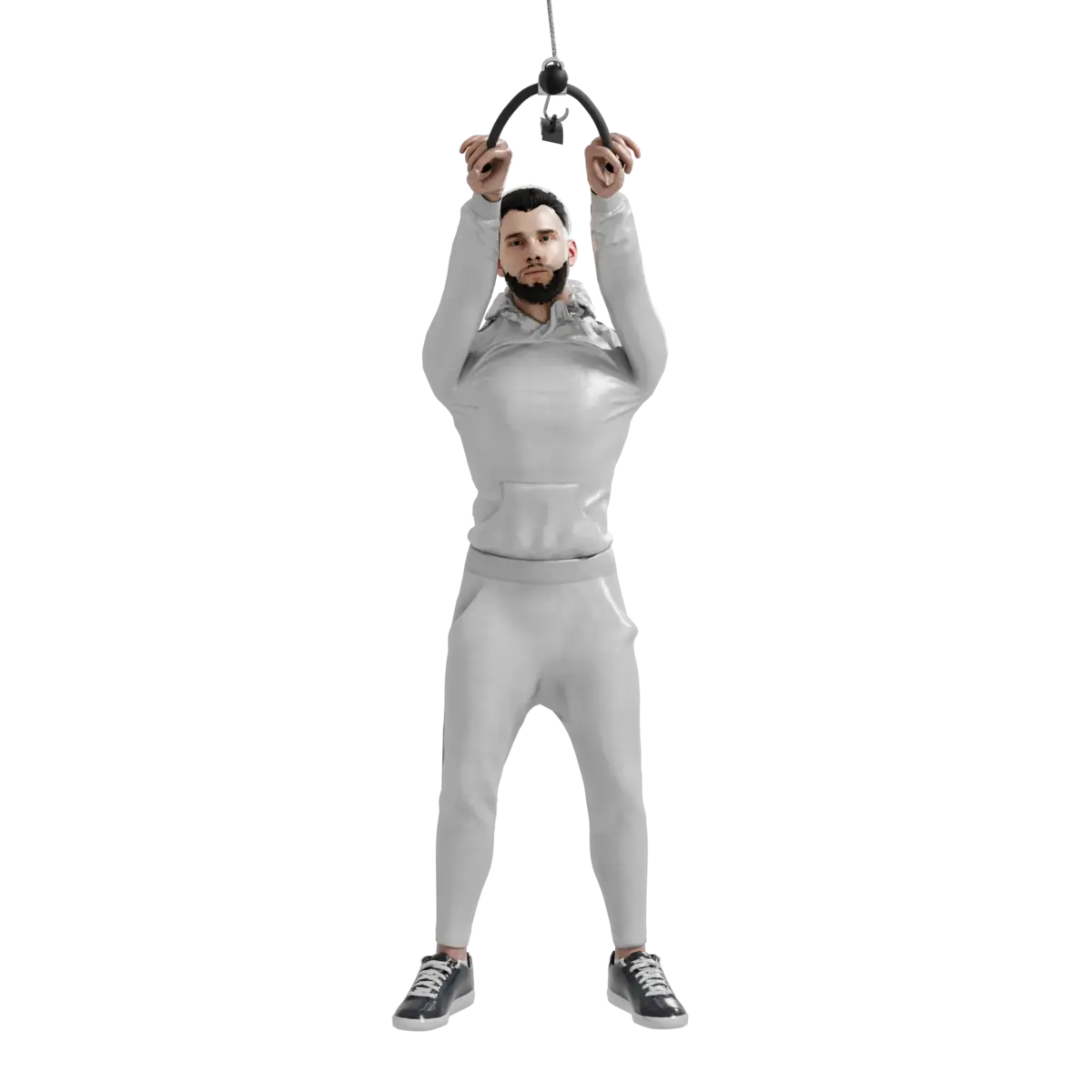
- Stand tall facing the pulley, feet about hip width apart and knees soft. Hold the rope with both hands, arms reaching up toward the pulley.
- Pull your shoulders down, away from your ears. Brace your core and keep your chest open.
- Pull the rope toward your face. Lead with your elbows and keep them high and wide.
- Keep pulling until your hands are beside your head at face level. Spread the rope ends apart as you go.
- Drive the elbows back behind your shoulders and squeeze your shoulder blades together for a moment.
- Let the rope travel back slowly on the same path until your arms are long again. Keep the cable tight and repeat.
Common face pull mistakes
- Going too heavy. The face pull is a small muscle move. Pick a weight you can pull to your face with a pause on every rep.
- Leaning back to move the weight. Stay upright and still. If your body rocks, lower the weight.
- Dropping the elbows. Keep the elbows at shoulder height or higher. Low elbows turn the face pull into a row and take work off the rear delts.
- Shrugging the shoulders up. Keep the shoulders down and away from your ears for the whole set.
- Letting the rope snap back. Control the way back. Take about two seconds to return the rope.
Alternatives: rows and raises
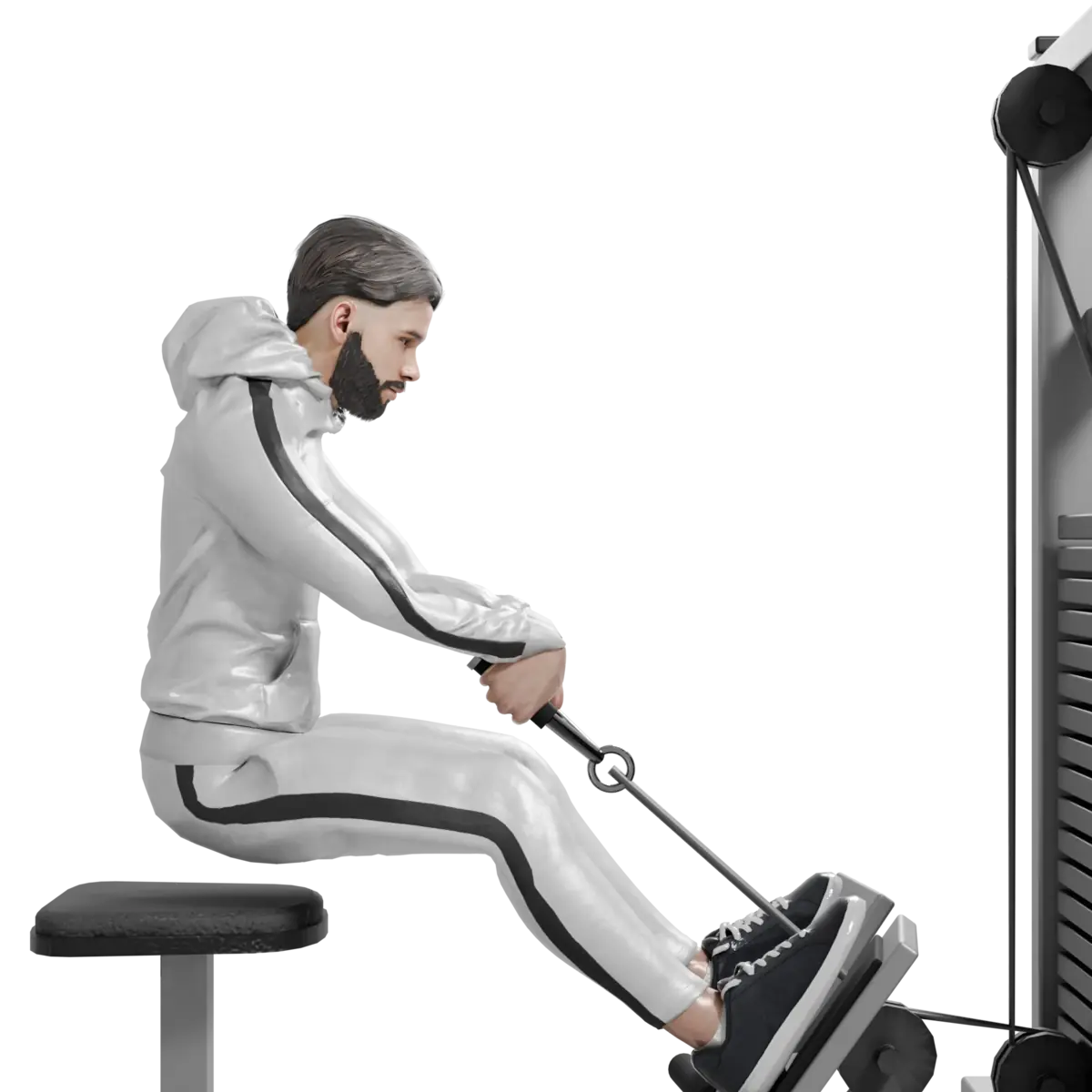
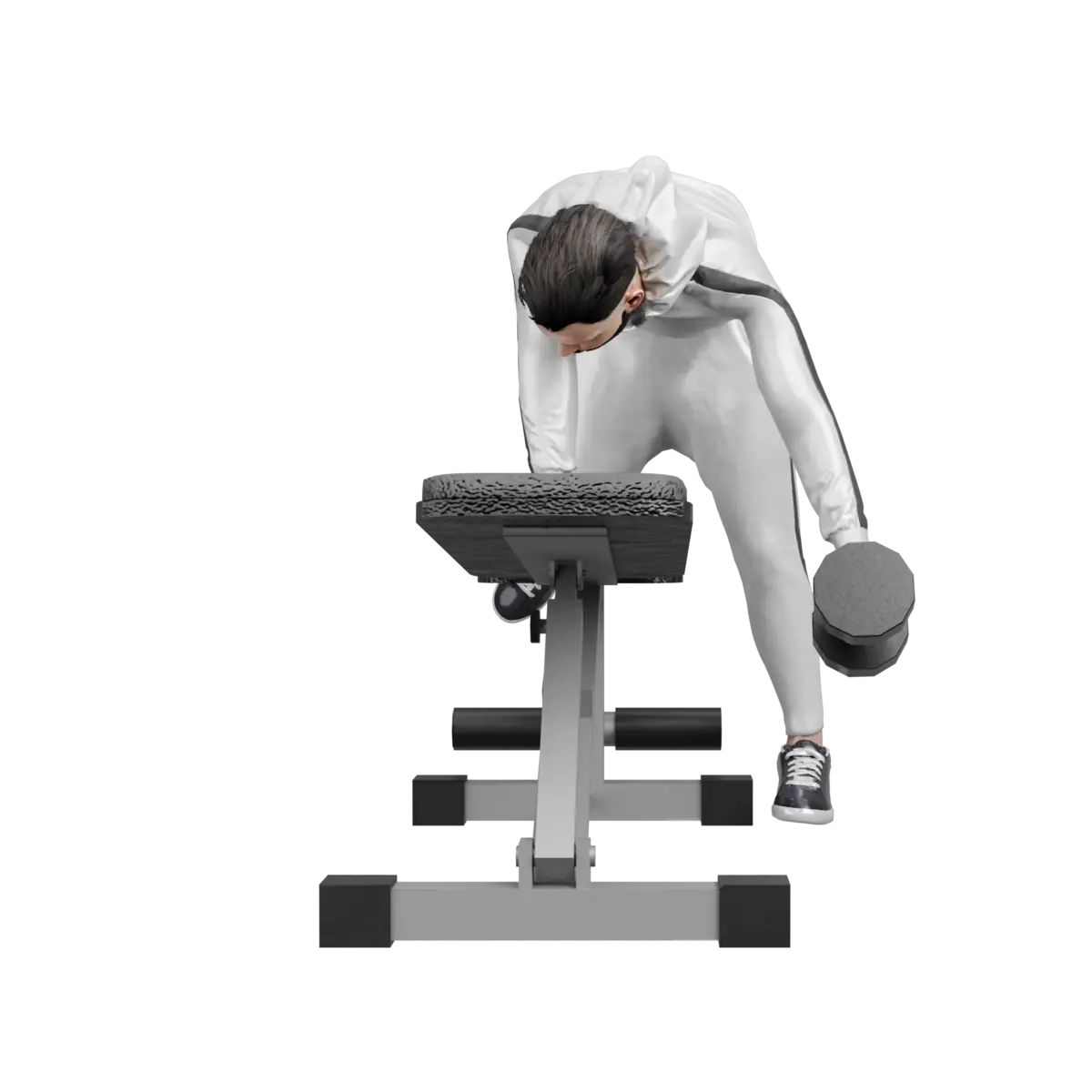
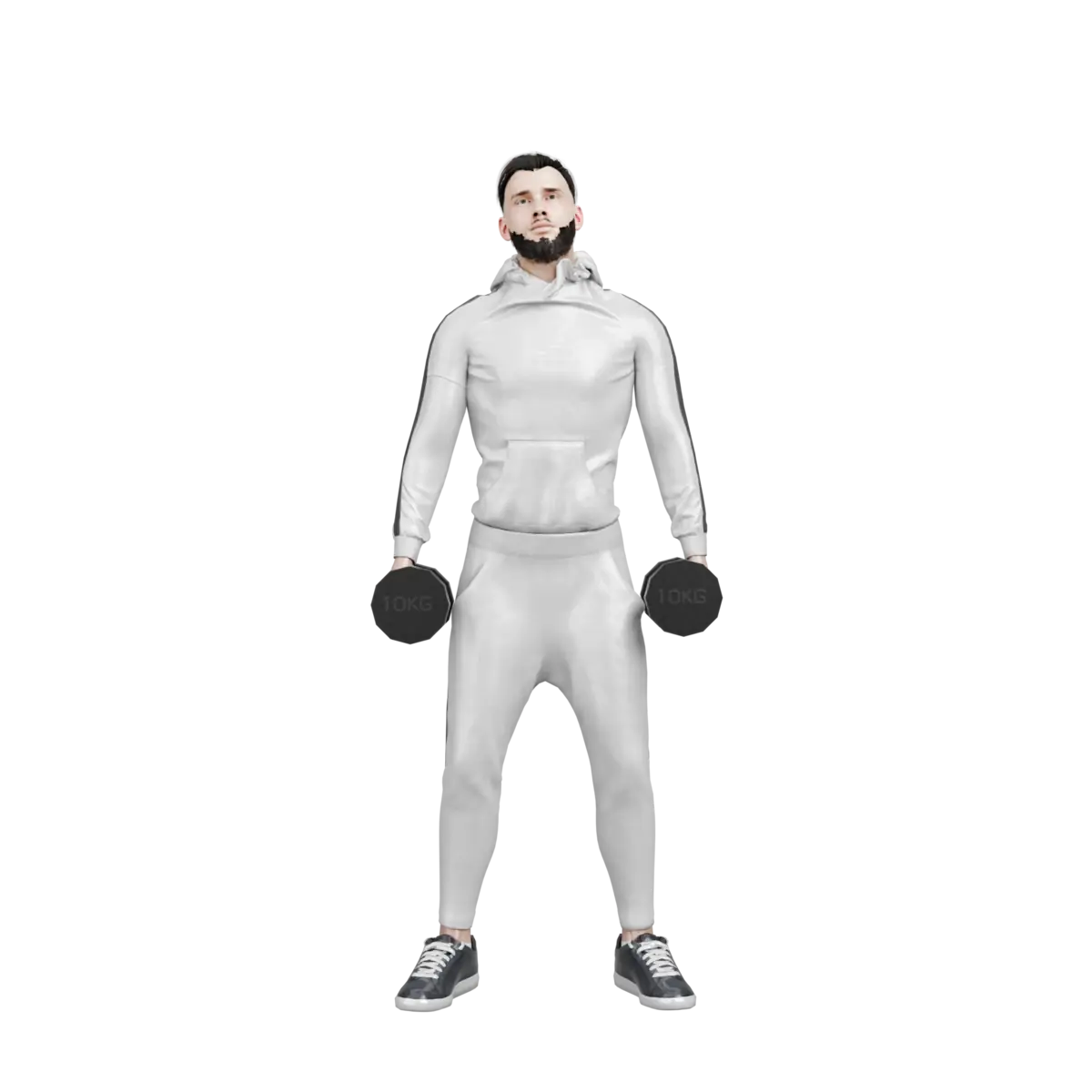
Same muscles, different equipment.
Good to know
Face pull from every angle
You stand facing a high pulley, hold a rope and pull it toward your face with the elbows high and wide. It is light, easy on the joints and balances all the pressing most people do. In GymDroid it is called High Face Pull. Below you will find how to do face pulls step by step, the muscles worked, the mistakes to avoid and how many sets to do.
Muscles worked
The rear delts, the back part of your shoulders, do most of the work. They pull your upper arms back and out. The rhomboids and traps squeeze your shoulder blades together at the end of each rep. The side delts help lift the elbows high. Strong rear delts and upper back muscles balance your chest and front delts, which most people train a lot more.
Sets and reps for rear delts
Do 3 sets of 12 to 20 reps. Rest about 60 seconds between sets. Use a weight where you can pause at your face on every rep. Add reps before you add weight. Two or three sets two times a week is plenty for most people. Face pulls fit at the end of a shoulder, back or upper body workout.
Face pull vs rear delt fly
Both train the rear delts. The rear delt fly moves the arms out to the side with straight arms, usually with light dumbbells or a machine. The face pull bends the elbows and pulls toward your face, so the traps and rhomboids work more. The cable also keeps tension on the muscle the whole rep. Use the face pull at the gym and the rear delt fly at home, or do both.
High or low face pulls
This version pulls from a high pulley, down and back toward your face. It keeps the elbows high and feels natural for most people. Setting the pulley at chest height works too and lets you pull straight back. Pick the height where you feel the back of your shoulders working, and keep it the same so you can track your progress.
Alternatives: rows and raises
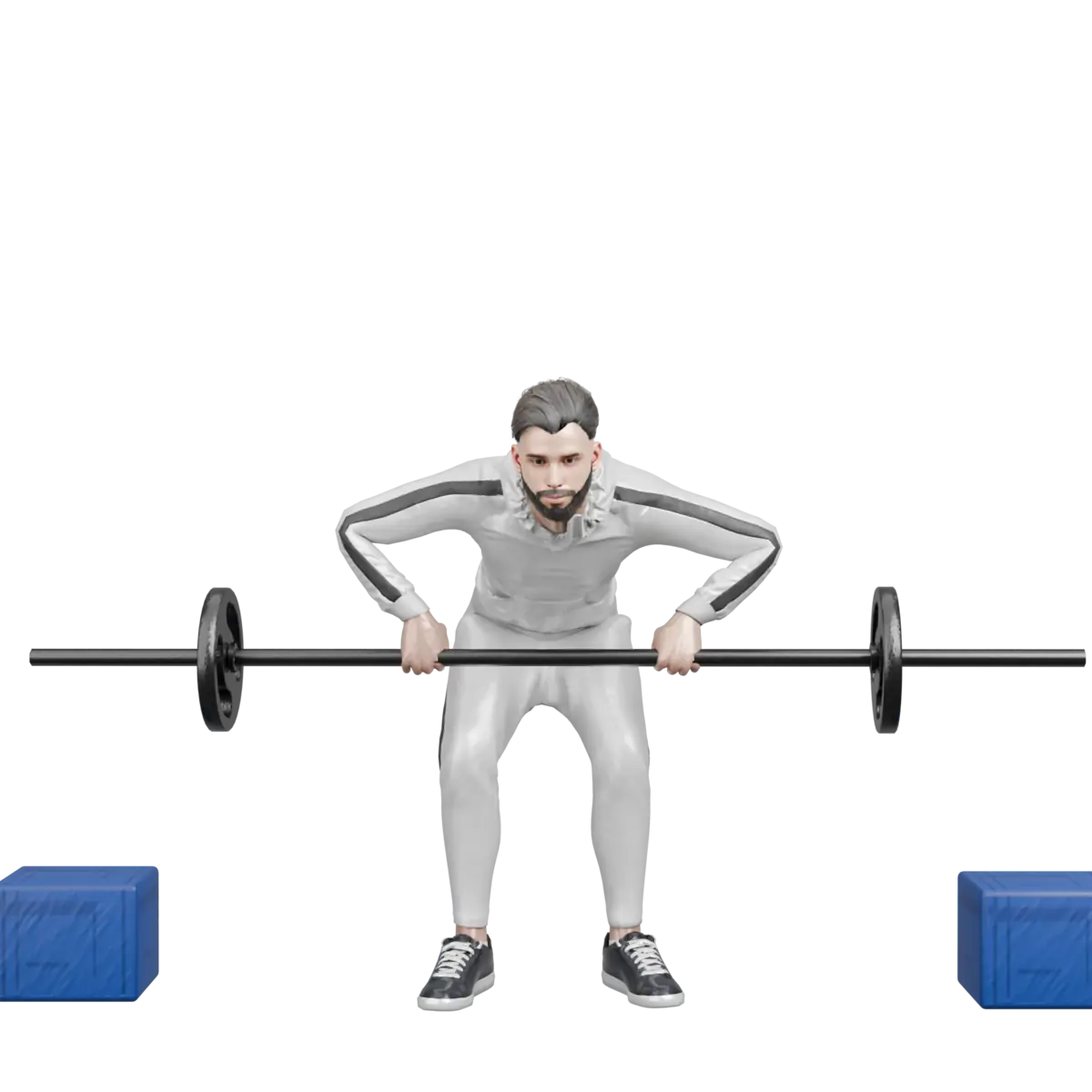
No cable machine? A resistance band tied at face height gives almost the same pull, and a bent over rear delt fly with light dumbbells trains the same muscle. The moves below also train the back of the shoulders and the upper back.
Plans with the face pull
The face pull is on Day B of Curves & Confidence, the upper body day, after the shoulder press and side raises. Log every set in GymDroid and watch the move from every angle before you start. On iPhone and Android.
Full Body Foundation · Curves & Confidence · Dumbbell Home Essentials
What muscles do face pulls work?
Mainly the rear delts. The rhomboids and traps squeeze the shoulder blades together, and the side delts help hold the elbows high.
Are face pulls good for posture?
They train the upper back and the back of the shoulders, which many people neglect. A stronger upper back makes it easier to hold your shoulders back. They are not a cure for pain. If you feel pain, stop and see a professional.
How heavy should face pulls be?
Light to moderate. Pick a weight you can pull to your face with a short pause and no swinging. Most people use much less than on a cable row.
Should face pulls be high or low?
Set the pulley at face height or above. A high pulley helps you keep the elbows high, which keeps the work on the rear delts.
How many face pulls should I do?
About 3 sets of 12 to 20 reps, two times a week. Add reps first, then a little weight.

Plans with the face pull
The face pull is on Day B of Curves & Confidence, the upper body day, after the shoulder press and side raises.


Updated